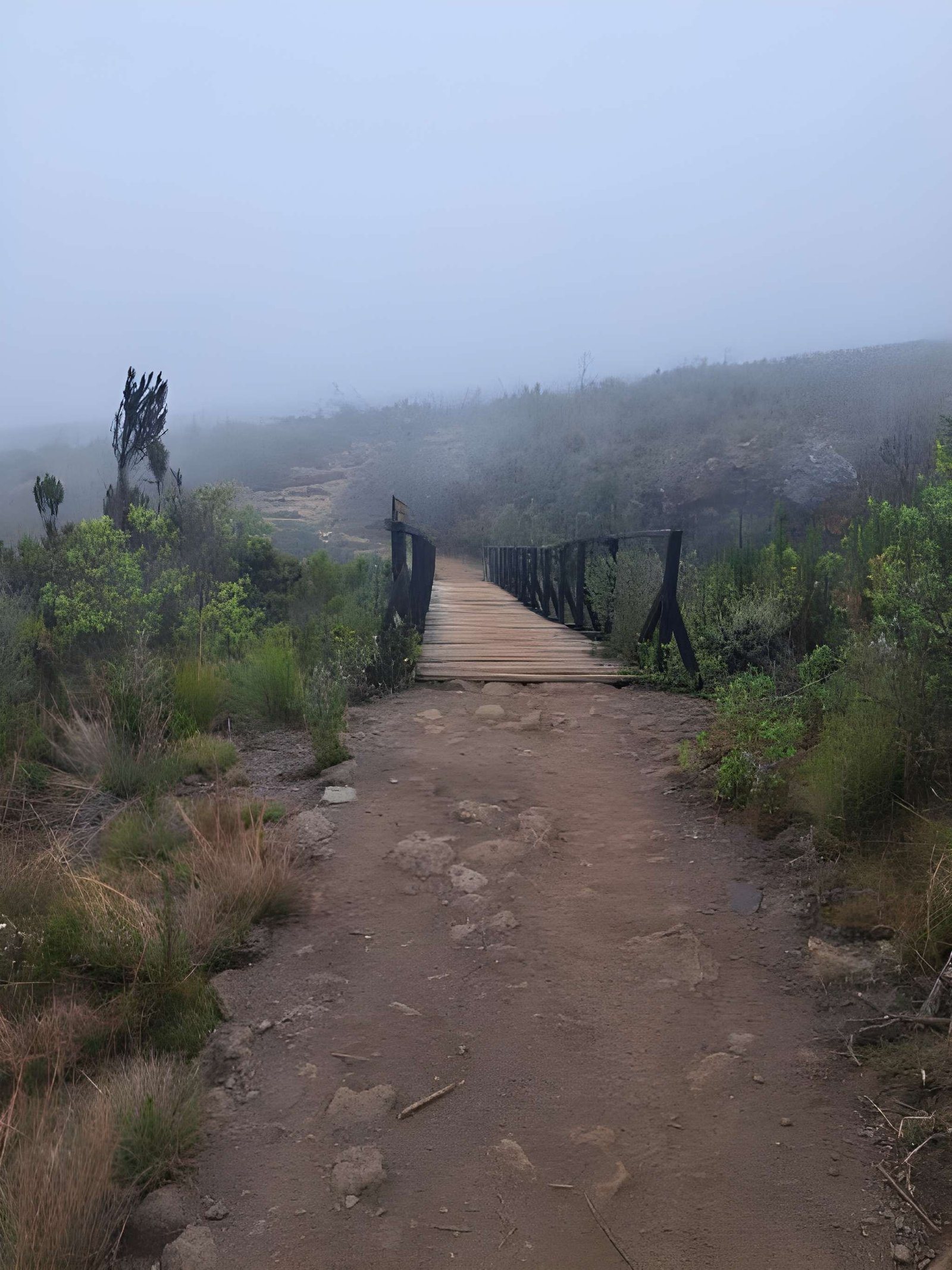
6-Day Machame Route

6-Day Machame Route

The scenic “Whiskey route” in six days: rainforest, the Shira Plateau, Lava Tower and the Barranco Wall, with a summit via Stella Point.

6 days5,895 mMachame GatePrivate or small groupPrice on request
About this climb

6-Day Machame Route at a glance

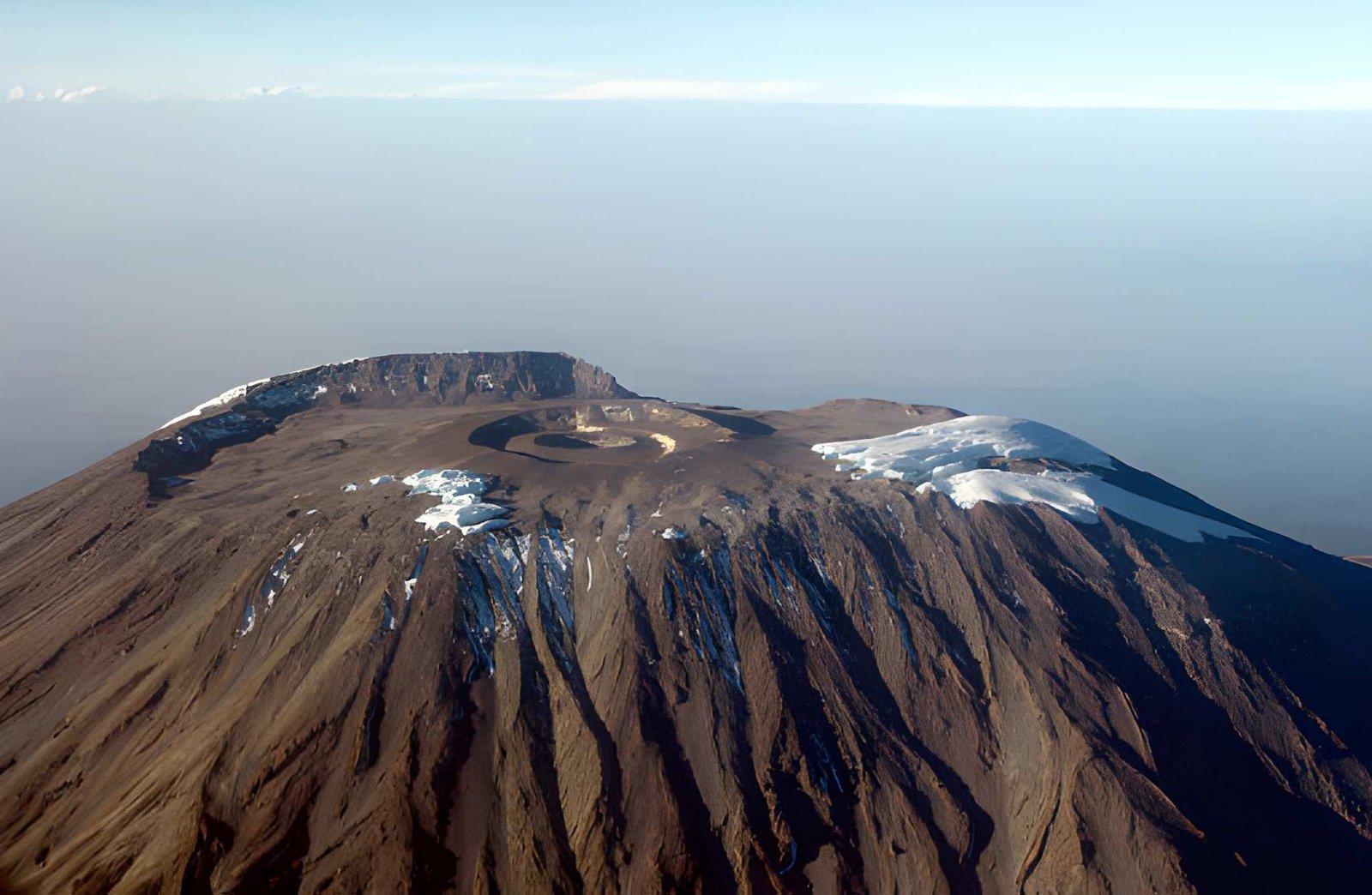
The 6-Day Machame Route is a scenic, demanding way up Kilimanjaro. Starting on the southern slopes at Machame Gate, it climbs through rainforest to the Shira Plateau, crosses beneath the Lava Tower and drops into the Barranco Valley, then scales the Barranco Wall and continues to Barafu high camp for the summit via Stella Point. You camp each night in mountain tents.

The route follows the “climb high, sleep low” principle on day 3, which helps acclimatisation, but the 6-day version combines the Barranco–Karanga–Barafu stages into one long day. That makes it best suited to fit, experienced hikers; most climbers will enjoy the 7-day Machame more.

Machame is known for its varied scenery and views, and it descends via the Mweka route, so you see different landscapes on the way down. Your crew carries and sets up all tents, cooks hot meals and monitors your health twice daily.

Price on requestTailored quote for your dates
Why you’ll love it

Trip highlights

  • Rainforest, moorland and alpine desert scenery
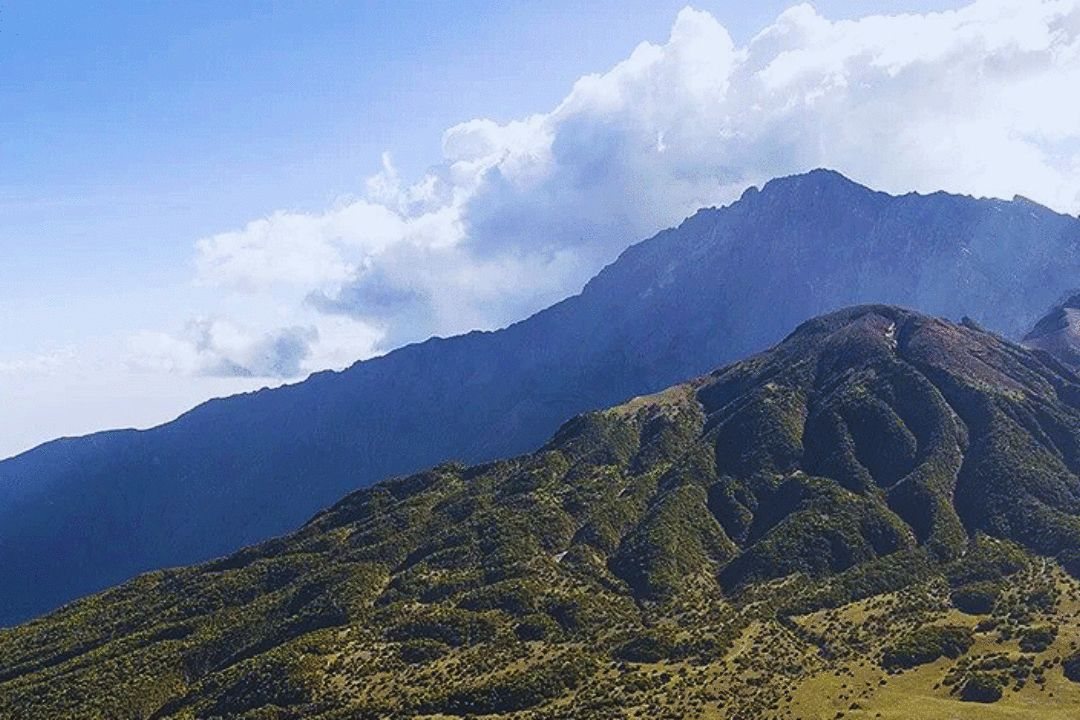
  • Shira Plateau views of Mount Meru
  • Climb high, sleep low at the Lava Tower
  • The Barranco Wall scramble
  • Sunrise at Stella Point and Uhuru Peak
  • Descent via the scenic Mweka route
6 days, step by step

Day-by-day itinerary

1,000 m2,000 m3,000 m4,000 m5,000 m6,000 m7,000 mDay 1: Machame Camp — 3,010 mDay 2: Shira Camp — 3,845 mDay 3: Barranco Camp — 3,960 mDay 4: Barafu Camp — 4,673 mDay 5: Mweka Camp — 5,895 m5,895 mDay 6: Mweka Camp – Mweka Gate — 1,640 mDay 1Day 2Day 3Day 4Day 5Day 6
Altitude profile — sleeping altitude each night (summit day shows the peak).
  1. 1
    Day 1 Machame Gate – Machame Camp 3,010 mMachame Camp

    Your guide collects you from your hotel in Moshi or Arusha after breakfast for the drive to Machame Gate (about 1,800 m) on the southern side of Kilimanjaro, about 45 minutes from Moshi or one and a half hours from Arusha. While you register at the park office, porters weigh and pack the loads. Lunch is usually a packed meal on the trail or served before you start.

    The trail climbs steadily through dense montane rainforest on a path that can be muddy and slippery after rain, with roots and steps formed by water channels. Look out for colobus monkeys, giant ferns and old-man’s-beard lichen hanging from the trees. The forest gradually thins and gives way to giant heather as you reach Machame Camp (3,010 m), where your crew has already set up tents and a dining tent. Dinner is served as the temperature drops quickly after sunset.

    • DistanceAbout 11 km · +1,200 m
    • Hiking timeAbout 5–7 h walking
    • MealsBreakfast, lunch, dinner
    • OvernightMachame Camp
  2. 2
    Day 2 Machame Camp – Shira Camp 3,845 mShira Camp

    After breakfast you leave the forest behind and climb a steep, rocky ridge through heath and moorland, with tussock grass and giant heather. The path involves some steps and easy scrambling over rocks, and on clear days views open up to Kibo ahead and over the clouds behind you. The day is short in distance, but the elevation gain is significant, so your guide keeps a slow pace.

    After crossing a small river gorge, the trail flattens onto the Shira Plateau, a high caldera of an ancient volcano, and you arrive at Shira Camp (3,845 m) in the early afternoon. The afternoon is free to rest, or you can take a short walk with your guide to help acclimatisation. Sunsets over Mount Meru, visible to the west, can be spectacular from here.

    • DistanceAbout 5 km · +840 m
    • Hiking timeAbout 4–6 h walking
    • MealsBreakfast, lunch, dinner
    • OvernightShira Camp
  3. 3
    Day 3 Shira Camp – Lava Tower – Barranco Camp 3,960 mBarranco Camp

    This is the key acclimatisation day of the route. You walk east across high-altitude desert towards the Lava Tower (around 4,630 m), a 90-metre volcanic plug at the foot of Kibo. The landscape is barren and rocky, and the climb is gradual but long; at this height many climbers feel a headache or shortness of breath for the first time. Lunch is served near the Lava Tower, and the time spent at this height helps your body adapt.

    In the afternoon you descend steeply into the Barranco Valley, passing groves of giant groundsels and lobelias, to Barranco Camp (3,960 m), sheltered beneath the impressive Barranco Wall. Although you end the day only a little higher than where you started, the climb to the Lava Tower is the essence of the “climb high, sleep low” principle. The views of the Breach and the Western Breach glaciers from camp are outstanding.

    • DistanceAbout 10 km · +785 m / −670 m
    • Hiking timeAbout 6–8 h walking
    • MealsBreakfast, lunch, dinner
    • OvernightBarranco Camp
  4. 4
    Day 4 Barranco Camp – Barafu Camp 4,673 mBarafu Camp

    The day begins with the Barranco Wall, a 250-metre cliff that looks intimidating from camp but is climbed on a well-used path with some hands-on scrambling over rock. No technical skills are needed and your guides help at the trickier steps. At the top you are rewarded with views of Kibo’s southern glaciers and the clouds below. The trail then crosses a series of ridges and valleys to Karanga Valley, where lunch is served.

    In the afternoon the trail climbs steadily through rocky alpine desert to Barafu Camp (4,673 m), the base camp for the summit, on an exposed ridge. You arrive in the late afternoon, have an early dinner and receive your summit briefing before resting for a few hours. This combined day is long and demanding, which is why we generally recommend the 7-day Machame for better acclimatisation.

    • DistanceAbout 9 km · +900 m / −190 m
    • Hiking timeAbout 7–9 h walking
    • MealsBreakfast, lunch, dinner
    • OvernightBarafu Camp
  5. 5
    Day 5 Summit: Uhuru Peak – Mweka Camp 5,895 mMweka Camp

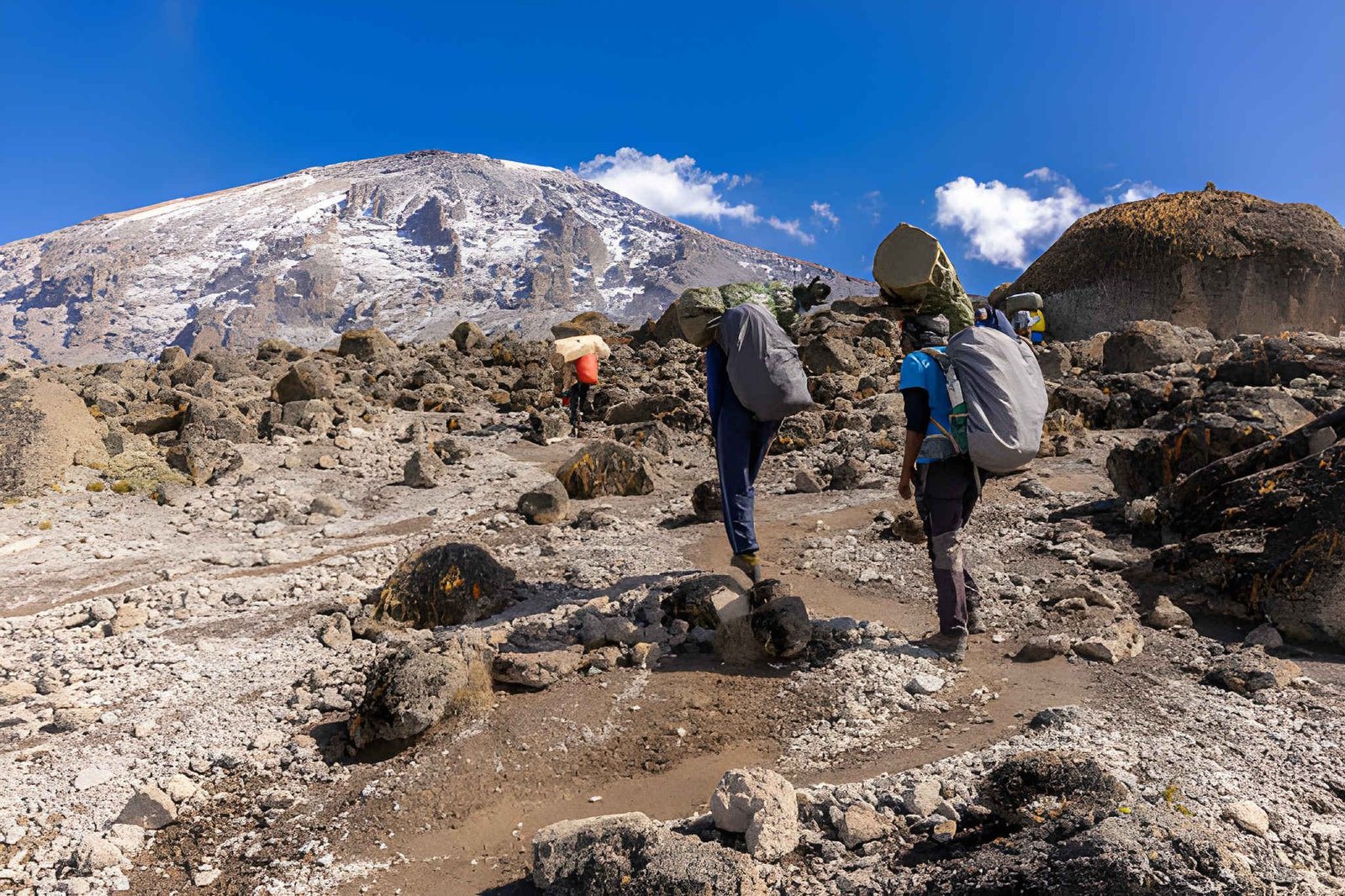
    Your guides wake you around 11 pm for tea and a light snack, and you start climbing by headlamp around midnight. The trail climbs steeply over loose scree and rock towards Stella Point (5,756 m) on the crater rim, usually reached around sunrise after six to seven hours. It is very cold, often well below freezing with wind, and the pace is very slow. Your guides stay close, encourage you and watch for signs of altitude sickness.

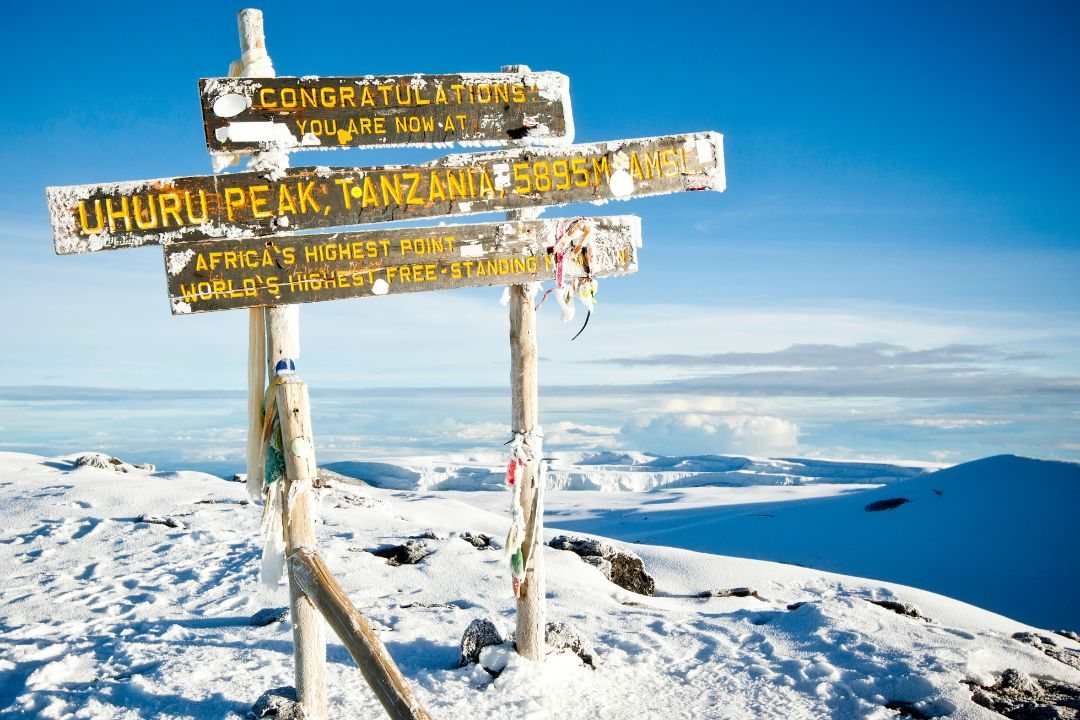
    From Stella Point it is about an hour along the crater rim to Uhuru Peak (5,895 m), the highest point in Africa, with views of the glaciers and the sunrise over Mawenzi. After summit photographs you descend to Barafu Camp for a short rest and a hot meal, then continue down through the moorland to Mweka Camp (about 3,100 m) in the forest edge, where the thicker air makes sleep much easier. It is the longest day of the climb.

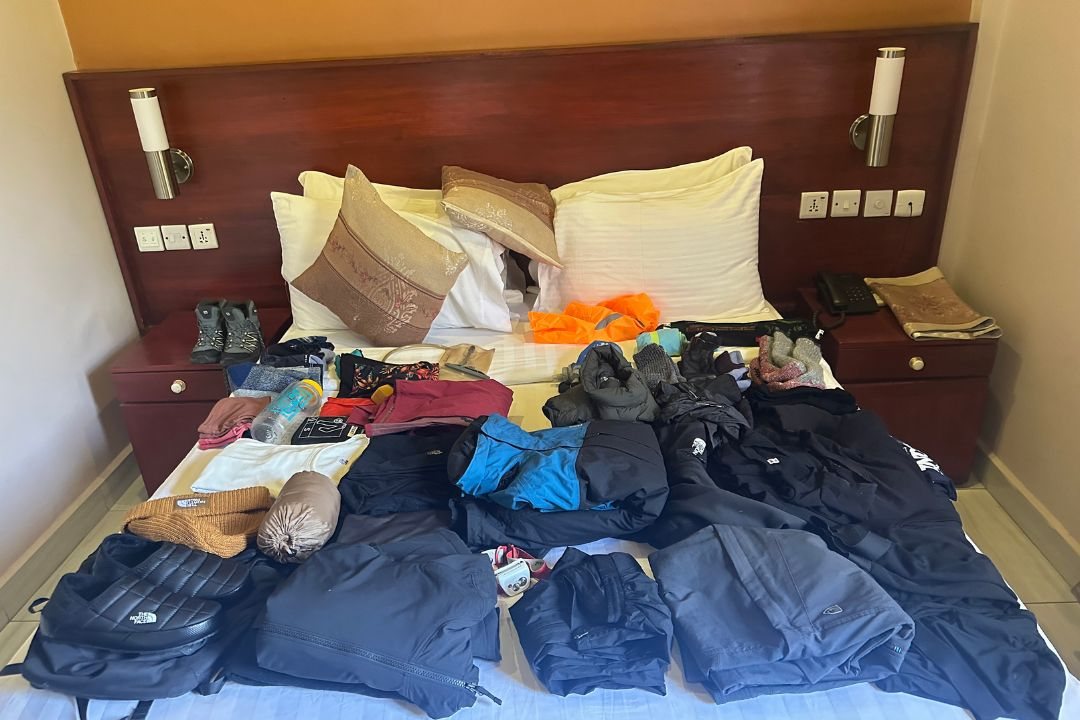
    Summit night is the hardest part of any Kilimanjaro climb, and the way you approach it matters. Wear all your warm layers, keep your water bottle inside your jacket so it does not freeze, and eat small snacks regularly even if you do not feel hungry. Your guides set a very slow, steady rhythm and will turn a climber around if symptoms of altitude sickness become serious — your safety always comes before the summit.

    • DistanceAbout 5 km up · 12 km down
    • Hiking timeAbout 11–15 h walking
    • MealsBreakfast, lunch, dinner
    • OvernightMweka Camp
  6. 6
    Day 6 Mweka Camp – Mweka Gate 1,640 m

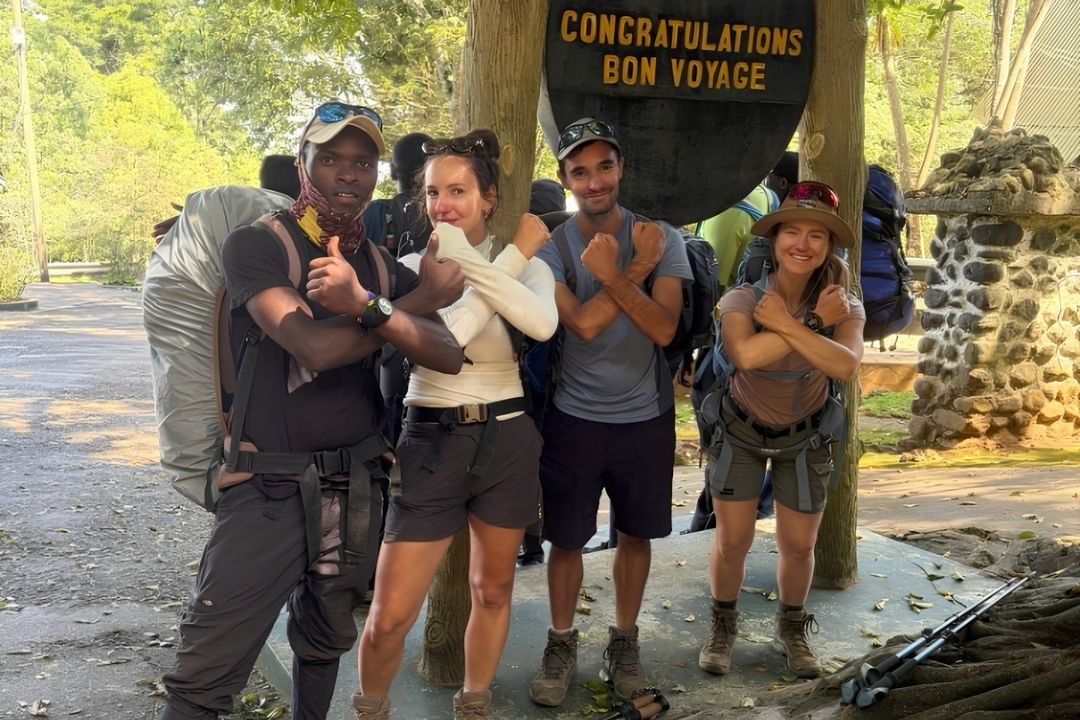
    After breakfast your crew gathers for a farewell song and the tipping ceremony, a memorable moment shared with the people who carried, cooked and guided you to the top. You then descend through lush rainforest on a well-built but sometimes muddy path, with monkeys in the trees and birdsong all around.

    You reach Mweka Gate (1,640 m) around midday, sign out at the park office and receive your summit certificate. Your driver takes you back to your hotel in Moshi or Arusha for a hot shower and a celebration. Your legs will feel the descent, so take it easy for the rest of the day.

    • DistanceAbout 10 km · −1,460 m
    • Hiking timeAbout 3–4 h walking
    • MealsBreakfast, lunch, dinner
On the mountain

Where you sleep

  • Night 1Machame CampBreakfast, lunch, dinner
  • Night 2Shira CampBreakfast, lunch, dinner
  • Night 3Barranco CampBreakfast, lunch, dinner
  • Night 4Barafu CampBreakfast, lunch, dinner
  • Night 5Mweka CampBreakfast, lunch, dinner

Mountain camps and huts are set by the park and the route. Hotel nights before and after the climb are listed in what’s included.

The fine print, made simple

What’s included

Included

  • Park fees, camping / hut fees and rescue fees
  • Professional mountain guide, assistant guides, cook and porters
  • All meals on the mountain and drinking water
  • Quality mountain tents and sleeping mats
  • Airport and hotel transfers
  • Emergency oxygen and first-aid kit
  • Hotel night before and after the climb

Not included

  • International flights and Tanzania visa
  • Travel insurance with high-altitude trekking and evacuation cover (required)
  • Tips for your guides, cook and porters (see our tipping guide)
  • Personal trekking gear — sleeping bag, poles and clothing can be rented
  • Drinks other than drinking water, snacks and personal expenses
  • Optional add-ons such as a private toilet tent, personal porter or extra acclimatisation day
Make it yours

Add-ons & optional experiences

Not included in the tour price. Tap Add to my trip and your choices go with your enquiry — we confirm availability and price in your quote.

Extra acclimatisation day

Extra acclimatisation day

  • 1 extra day
  • On the mountain (route permitting)

Add a day on the mountain to give your body more time to adjust to altitude — the single most effective way to improve your chance of reaching the summit. Where the extra day fits depends on the route; your guide will suggest the best place in the itinerary.

Price on request
Private toilet tent

Private toilet tent

  • Whole climb
  • Every camp on the route

A private, portable toilet in its own tent, carried and cleaned by a member of your crew, as an alternative to the shared long-drop toilets at the campsites. A small detail that makes a big difference to comfort on a multi-day climb.

Price on request
Sleeping bag rental

Sleeping bag rental

  • Whole climb
  • Collected in Moshi or Arusha

Rent a warm, clean sleeping bag suitable for cold nights on the upper mountain instead of bringing your own. Collected at your briefing before the climb and returned afterwards. Ask us about the temperature rating if you feel the cold.

Price on request
Trekking pole rental

Trekking pole rental

  • Whole climb
  • Collected in Moshi or Arusha

Adjustable trekking poles help on steep ascents and especially on the long descent, taking strain off knees and improving balance on loose ground. Collected at your pre-climb briefing.

Price on request
Personal porter

Personal porter

  • Whole climb
  • On the mountain

A dedicated porter carries your daypack, so you walk with only water and essentials. Loads stay within the park’s weight limits, and the service is subject to park regulations. Popular with climbers who want to save energy for summit night.

Price on request
Post-climb safari

Post-climb safari

  • 2–7 days
  • Tarangire, Ngorongoro, Serengeti

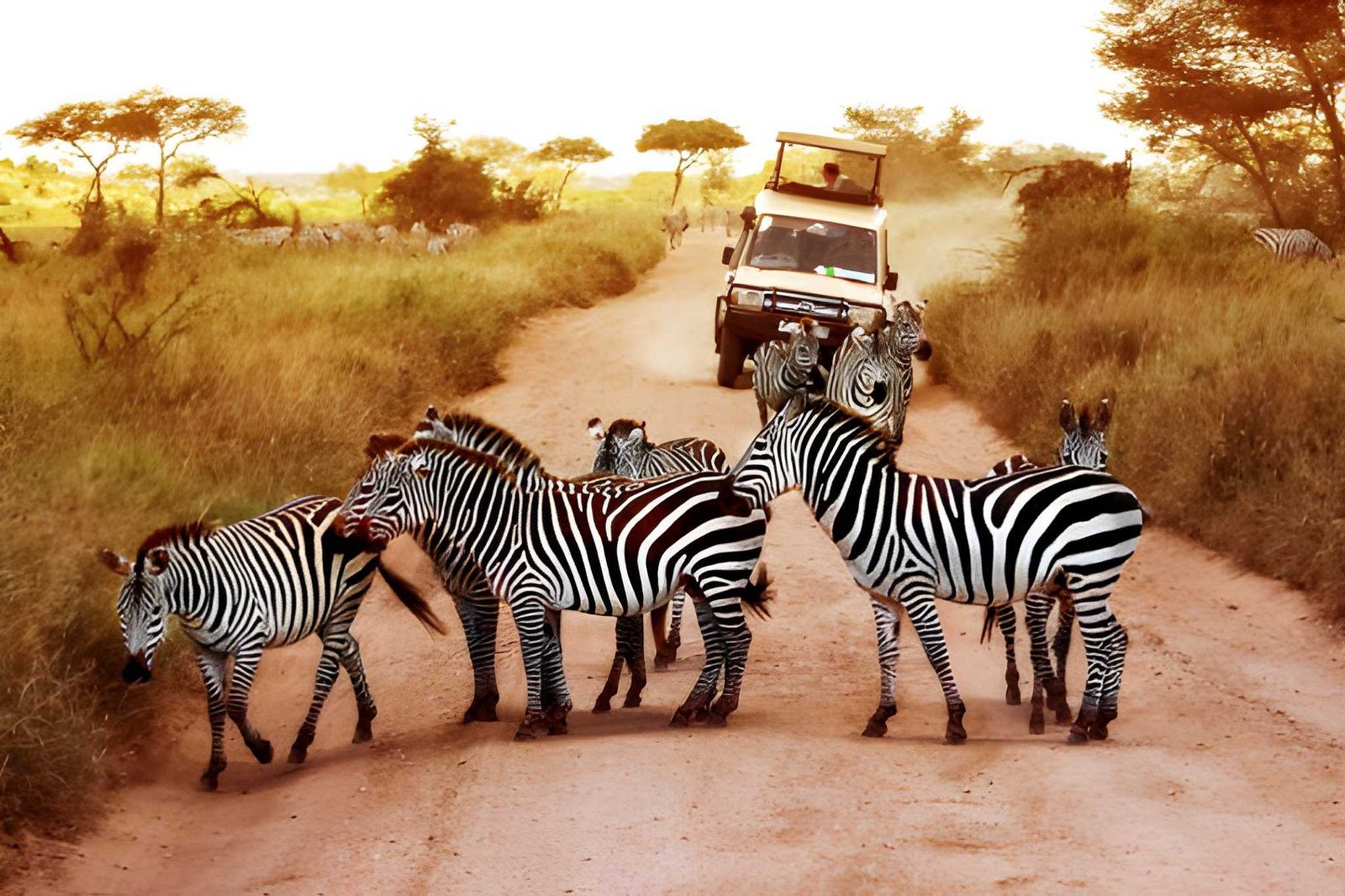
After a rest day, join a private safari in the Northern Circuit parks. A two- or three-day trip to Tarangire and the Ngorongoro Crater fits easily after a climb; longer safaris add the Serengeti. Your safari is planned around your climb dates.

Price on request
Zanzibar beach extension

Zanzibar beach extension

  • 3–5 nights
  • Zanzibar

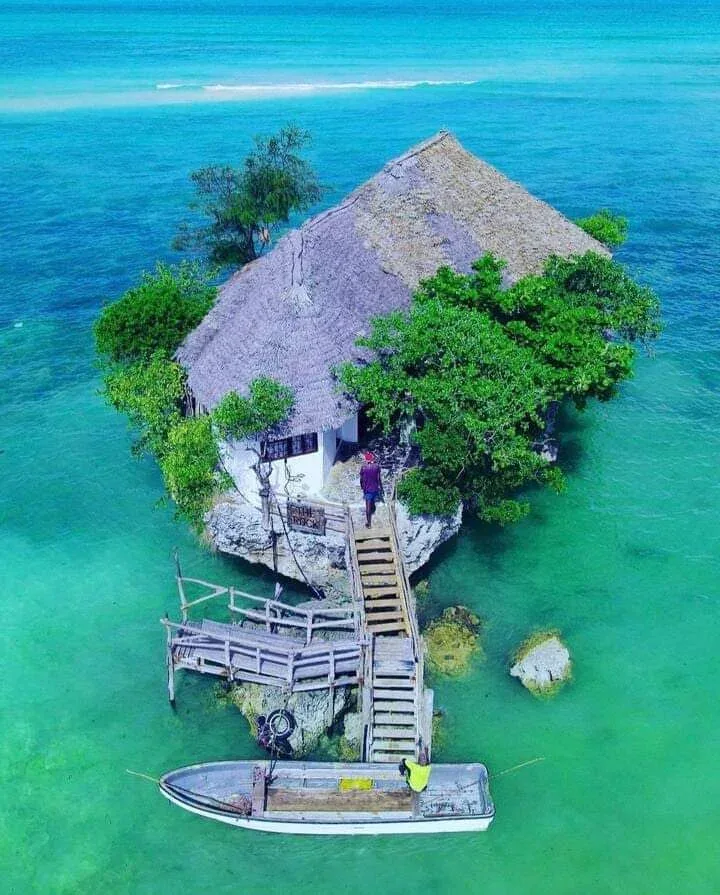
Finish your safari or climb with a few days on Zanzibar’s white beaches. We arrange the domestic flight, transfers and a beach hotel that suits your style, with optional excursions such as Stone Town, a spice farm or snorkelling. The most popular way to unwind after early starts.

Price on request
Good to know

Frequently asked questions

Is the 6-day Machame route right for me?

It suits fit hikers with some altitude experience. If this is your first high climb, the 7-day Machame or 8-day Lemosho give better acclimatisation.

Is the Barranco Wall dangerous?

It is a steep scramble on a good path, not a technical climb. You use your hands for balance in a few places, and guides help at narrow steps.

Do I need climbing experience?

No technical experience is needed. You should be in good health and able to walk for several hours a day. Training hikes before the trip help a lot.

What is the best time to climb?

The driest months are January to mid-March and June to October. Climbs are possible all year, but April, May and November are wetter.

What about altitude sickness?

Most climbers feel some mild symptoms. Our guides check your oxygen and pulse twice a day and carry emergency oxygen and a first-aid kit. Walking slowly and drinking plenty of water help.

What equipment do I need?

Warm layers, a waterproof jacket, good boots, a warm sleeping bag (rated around −10 °C) and a headlamp. Sleeping bags and poles can be rented.

How much should I tip the crew?

Tips are customary and paid at the end of the climb. We send recommended amounts per crew member with your booking.

Request a quote

Plan the 6-Day Machame Route

Tell us your dates, group and preferences — we confirm availability and send a clear, itemised quote, usually within 24 hours.

  • Free, no-obligation quote — we reply within 24 hours
  • Speak directly to our team in Arusha — no call centres
  • 100% tailor-made — every itinerary built around you
Prefer to call or message? +255 761 692 756 [email protected] · WhatsApp
Add-ons (optional)
You may also like

Similar climbs

Ready when you are

Make this trip your own

Every itinerary can be adjusted — dates, pace, lodges and add-ons. Our team in Arusha replies personally.

WhatsApp