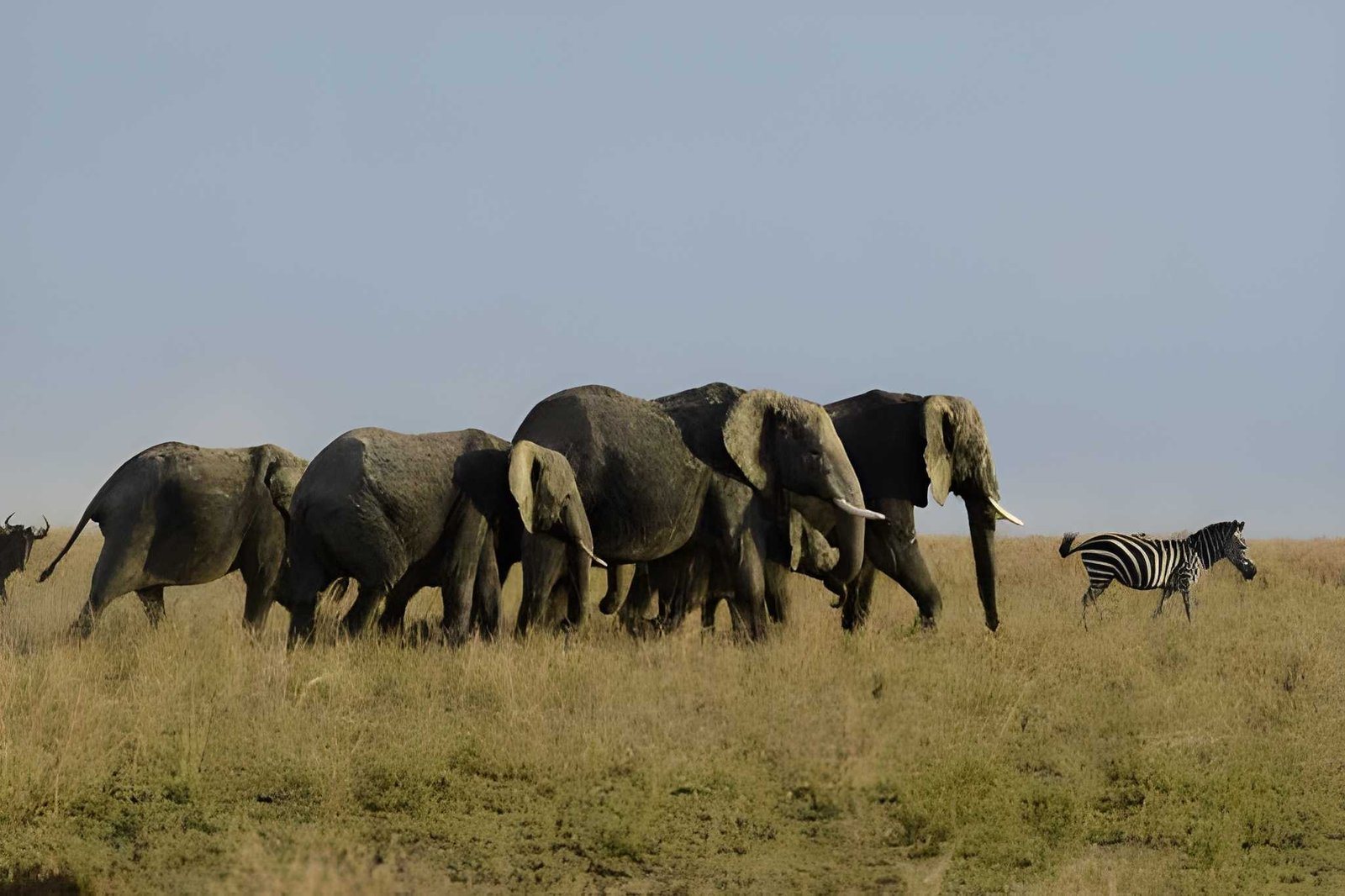
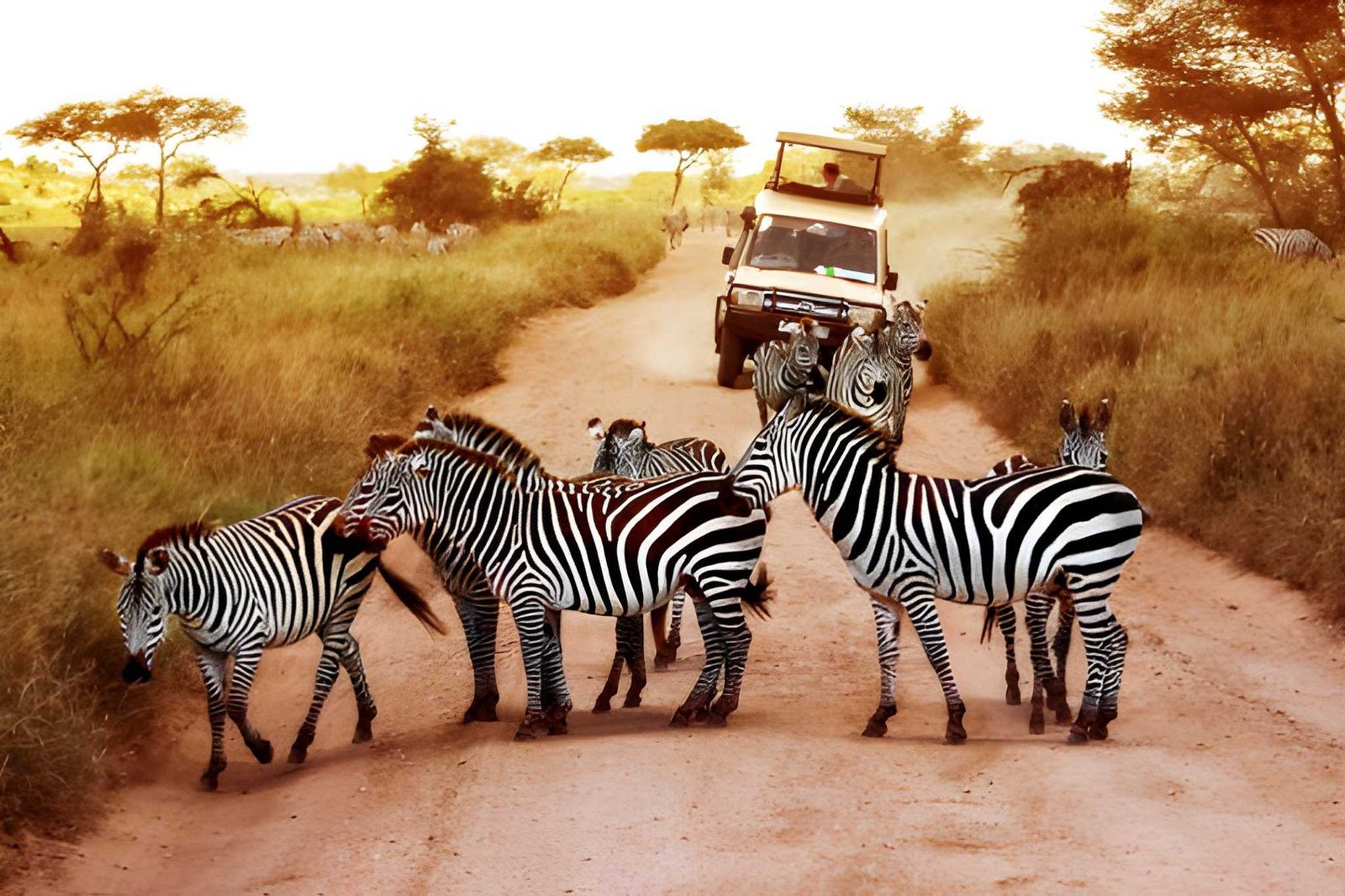
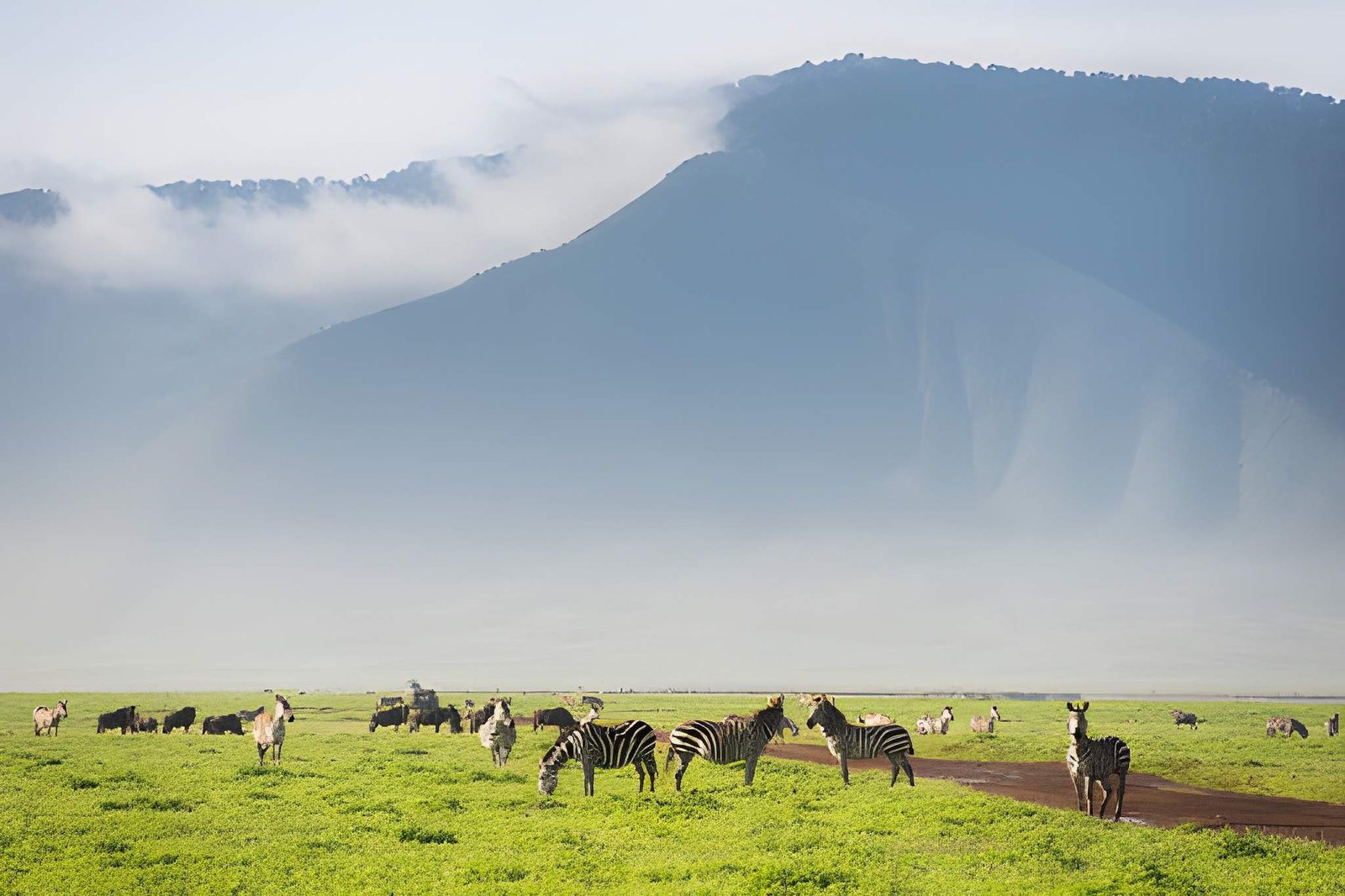
Wildebeest and zebra moving across the open Serengeti plains
Northern Tanzania · Safari guide

Serengeti National Park: Where the Plains Run On Forever

Nearly 15,000 square kilometres of grassland, granite kopjes and river forest, home to the Great Migration and some of Africa’s most watchable lions, leopards and cheetahs. Here is how the Serengeti changes through the year, where to stay, and how to fit it into your Tanzania safari.

Destination at a glance

The Serengeti in brief

Location

Northern Tanzania, in the Mara and Simiyu regions, bordering Kenya’s Maasai Mara to the north.

Size

About 14,763 km², at the heart of the much larger cross-border Serengeti–Mara ecosystem.

Signature wildlife

Lion, leopard, cheetah, elephant and buffalo, plus the wildebeest and zebra of the Great Migration.

Main areas

Seronera Valley, Moru Kopjes, the southern plains, the Western Corridor and the Mara River.

Best time

June–October for dry-season game viewing; January–February for calving in the south.

How long

At least three nights; four or five to explore two different areas of the park.

Activities

Game drives, balloon flights, guided walks in permitted areas, birding and photography.

Nearby

Ngorongoro Crater, Lake Natron and Lake Eyasi, with Tarangire on the way from Arusha.

Acacia trees and open grassland in the Serengeti National Park
An introduction

A Landscape Shaped by Grass, Rain and Movement

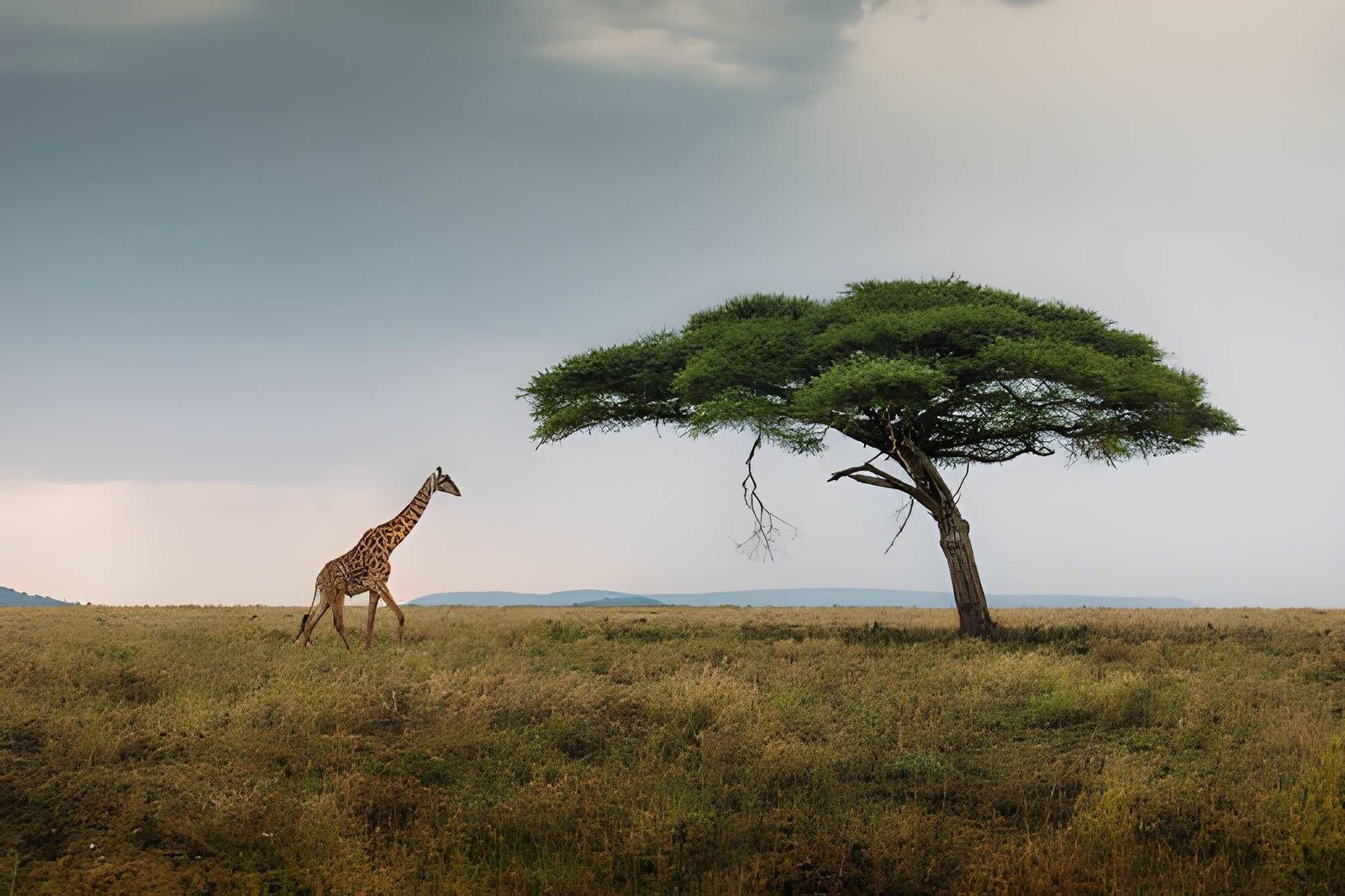
The Maasai called this country siringet, usually translated as “the place where the land runs on forever”, and the first drive across the southern plains explains why. Short grass stretches to a horizon broken only by granite outcrops — the kopjes — and the occasional lone acacia. Further north and west, the plains give way to wooded hills, river forest and the long arm of the Western Corridor reaching towards Lake Victoria.

Serengeti National Park was established in 1951 and inscribed as a UNESCO World Heritage Site in 1981, but its boundaries were never meant to contain its wildlife. Well over a million wildebeest, joined by hundreds of thousands of zebras and gazelles, follow the rains in a slow circuit between the park, the Ngorongoro Conservation Area and Kenya’s Maasai Mara. Lions, spotted hyenas, leopards and cheetahs live among them all year, which is why the Serengeti is so often described as one of the finest places in Africa to watch predators.

What you see depends on when and where you go. The Serengeti is not one experience but several: calving season on the southern grasslands, leopards in the riverside trees of the Seronera Valley, river crossings in the far north. Most Northern Circuit safaris spend two to four nights here, and the best itineraries choose an area to match the month rather than simply heading for the centre.

Why visit

Why the Serengeti Deserves a Place on Your Trip

Plenty of African parks have lions. These are the things that set the Serengeti apart.

Predators in the open

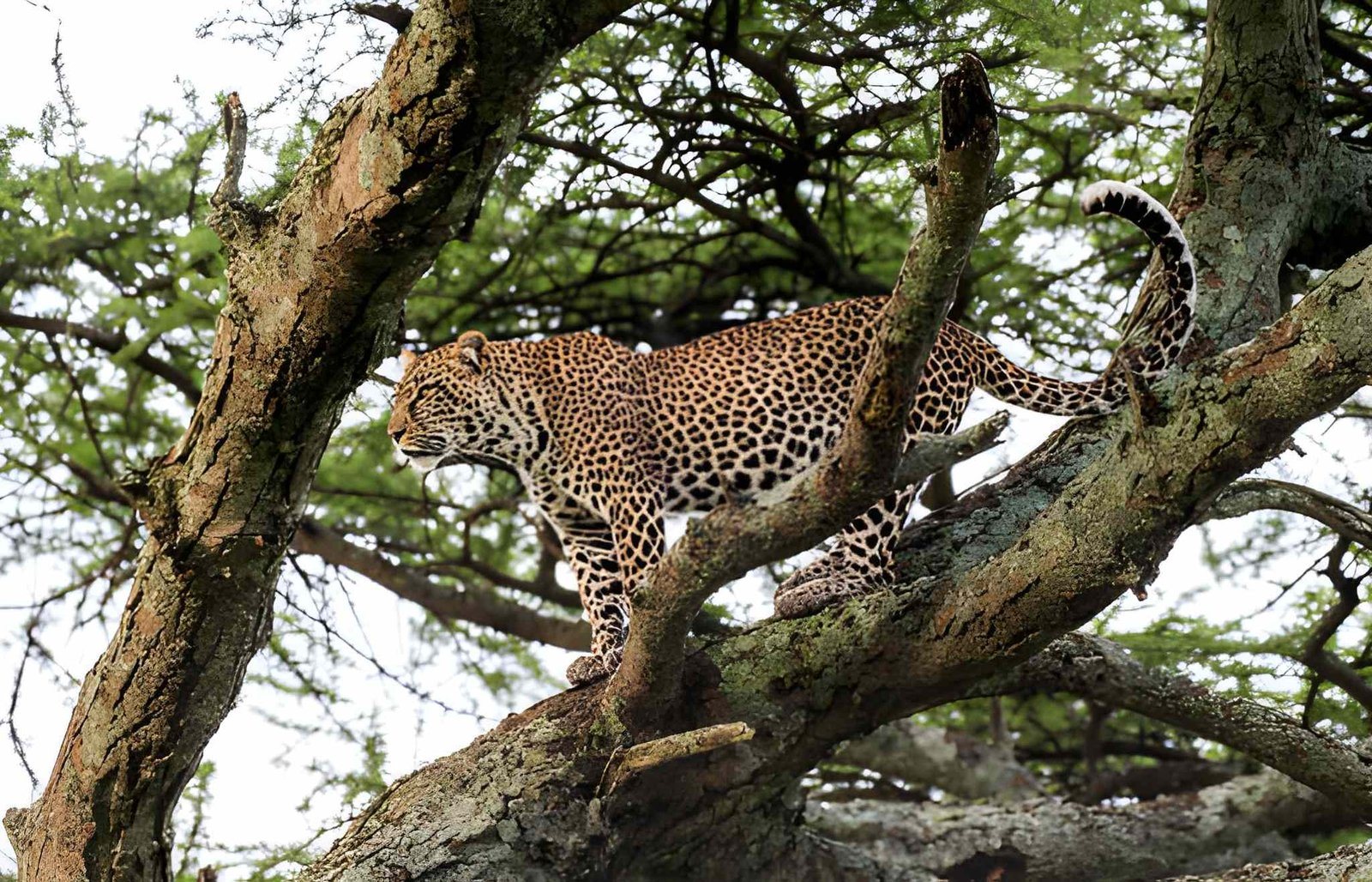
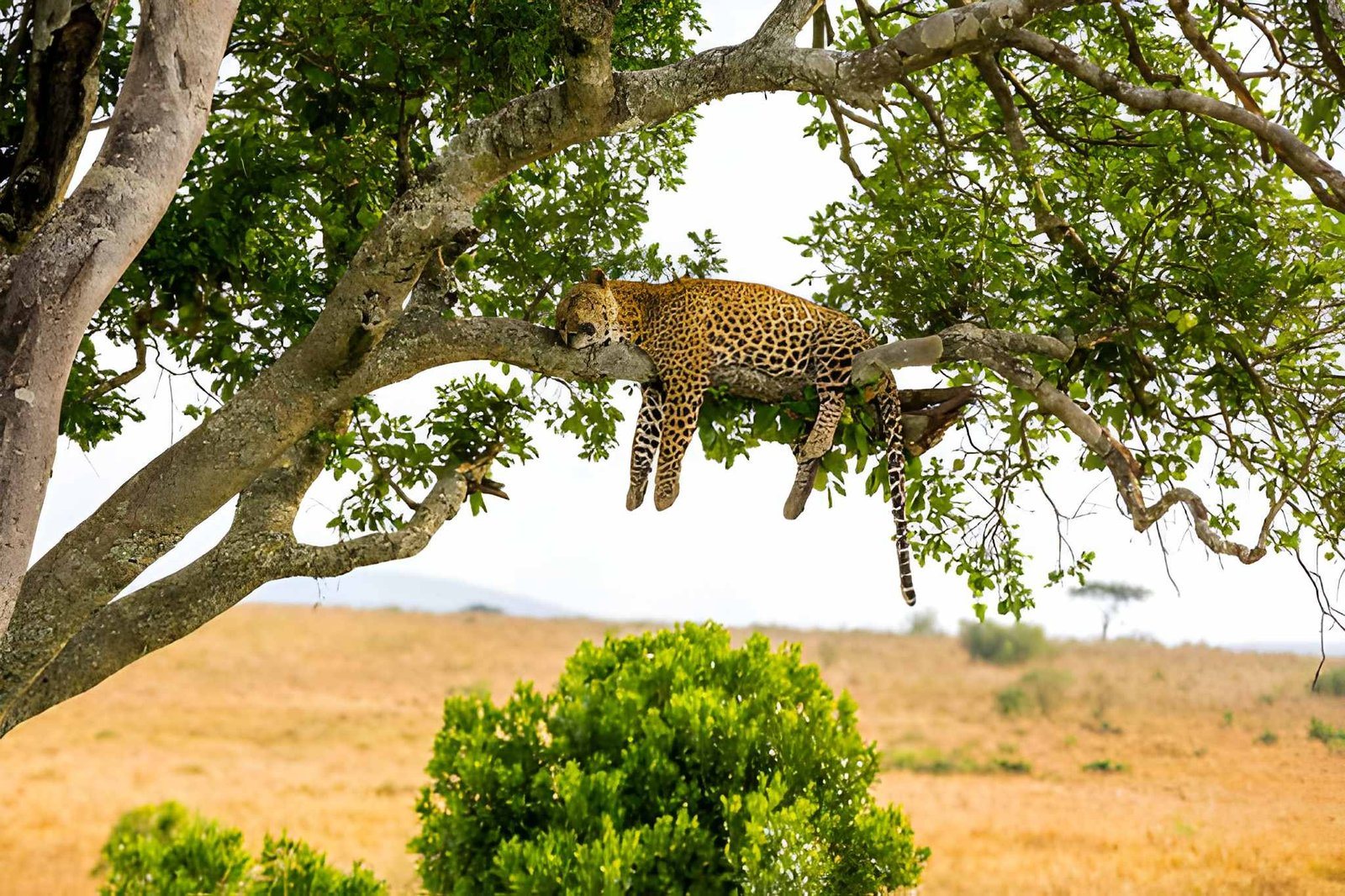
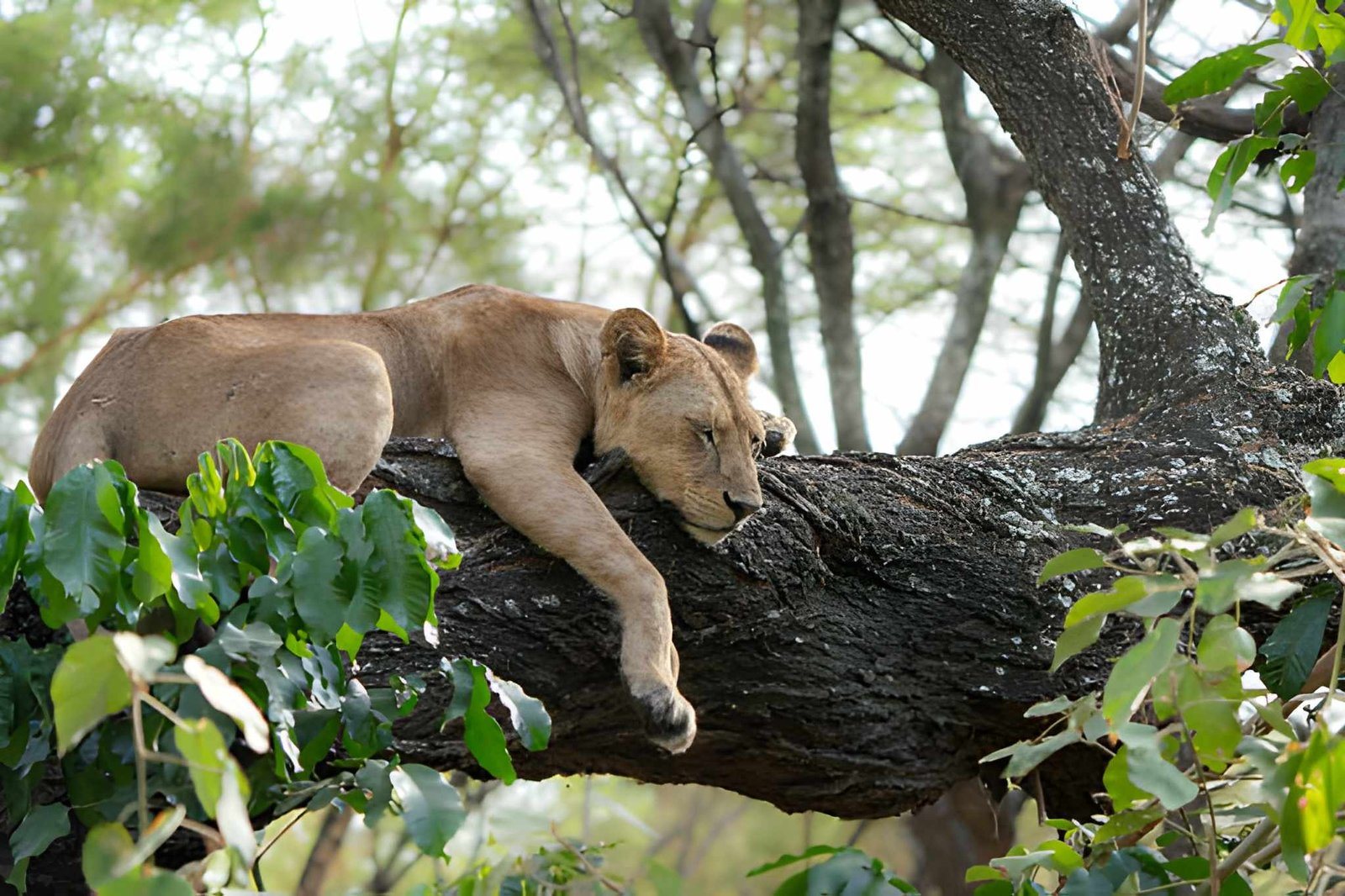
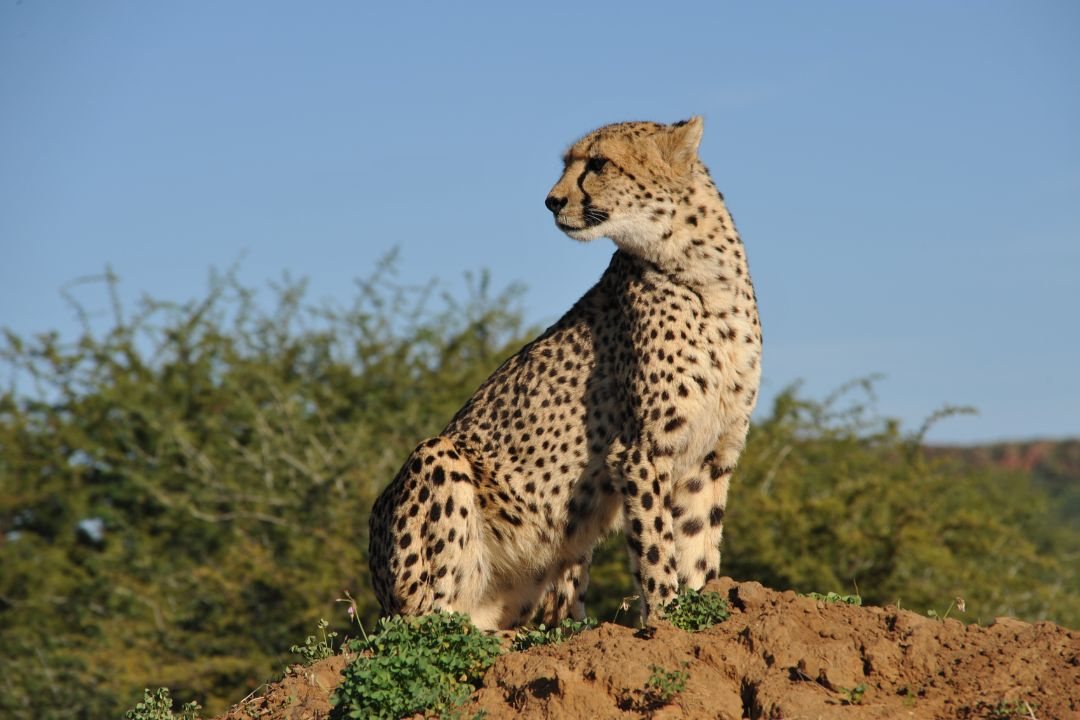
The short-grass plains and scattered kopjes make the Serengeti one of the most rewarding places in Africa to watch big cats. Lions rest on granite outcrops, cheetahs use termite mounds as lookouts, and leopards drape themselves along the branches of riverside trees around Seronera. Because the landscape is so open, you often see behaviour as well as animals: a stalk, a chase, cubs at play. Nothing is guaranteed, but few parks give you better odds.

A migration you can plan around

The wildebeest migration is a year-round cycle rather than a single event, so there is a meaningful chapter in almost every month. Calving fills the southern plains early in the year, the herds pass through the centre and west during the long rains, and the dry season brings the Mara River crossings in the north. Knowing roughly where the herds should be lets you stay in the right area for your dates.

Several parks in one

The Serengeti is big enough to feel like several destinations. The open south, the woodland and rivers of the centre, the riverine forest of the Western Corridor and the rolling hills of the north each have their own wildlife, scenery and atmosphere. Combining two areas on a longer stay shows you a far more complete picture of the ecosystem than a single base can.

Wildlife in every month

Even when the migration is elsewhere, the Serengeti is far from empty. Resident elephant, buffalo, giraffe, topi, hartebeest, impala and Thomson’s gazelle remain, along with the predators that depend on them. The Seronera area, fed by permanent water, offers reliable game viewing in every month, which makes the park a sound choice whatever your travel dates.

Space, if you know where to look

Seronera can be busy in peak season, but much of the park sees far fewer vehicles. The eastern plains, the Lobo hills, the Western Corridor and the Lamai area north of the Mara River often feel remote, especially outside July and August. Choosing your area and timing with care can make the difference between sharing a sighting and having it to yourself.

Landscapes worth slowing down for

Some of the Serengeti’s best moments have nothing to do with a checklist. Early light on the Moru Kopjes, a storm building over the southern plains, or a balloon drifting above the Seronera River at sunrise are memories in their own right. Slower days, with longer stays and fewer kilometres, give these moments time to happen.

Wildlife & ecosystems

Wildlife, Landscapes & Ecosystems

Signature wildlife

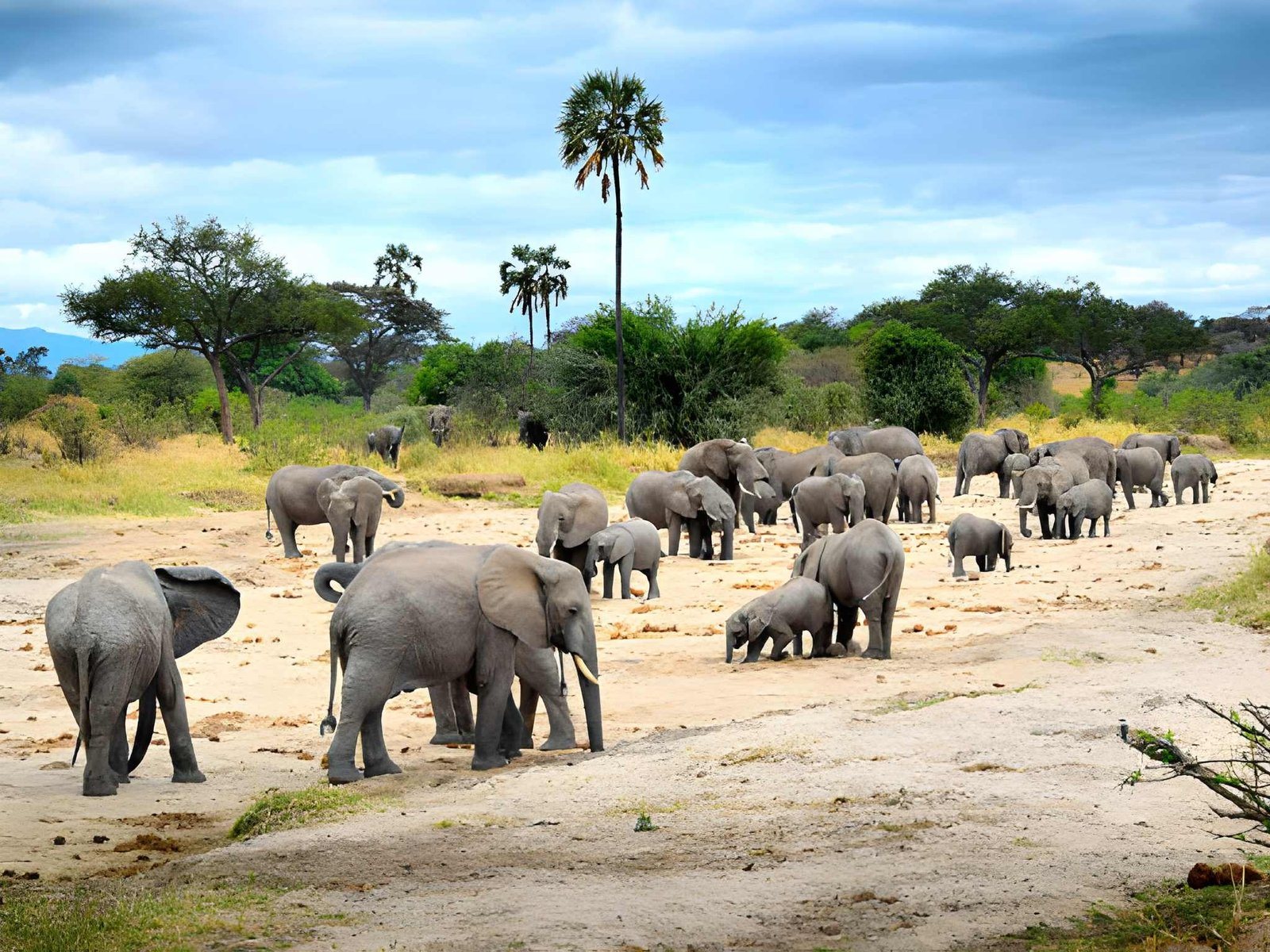
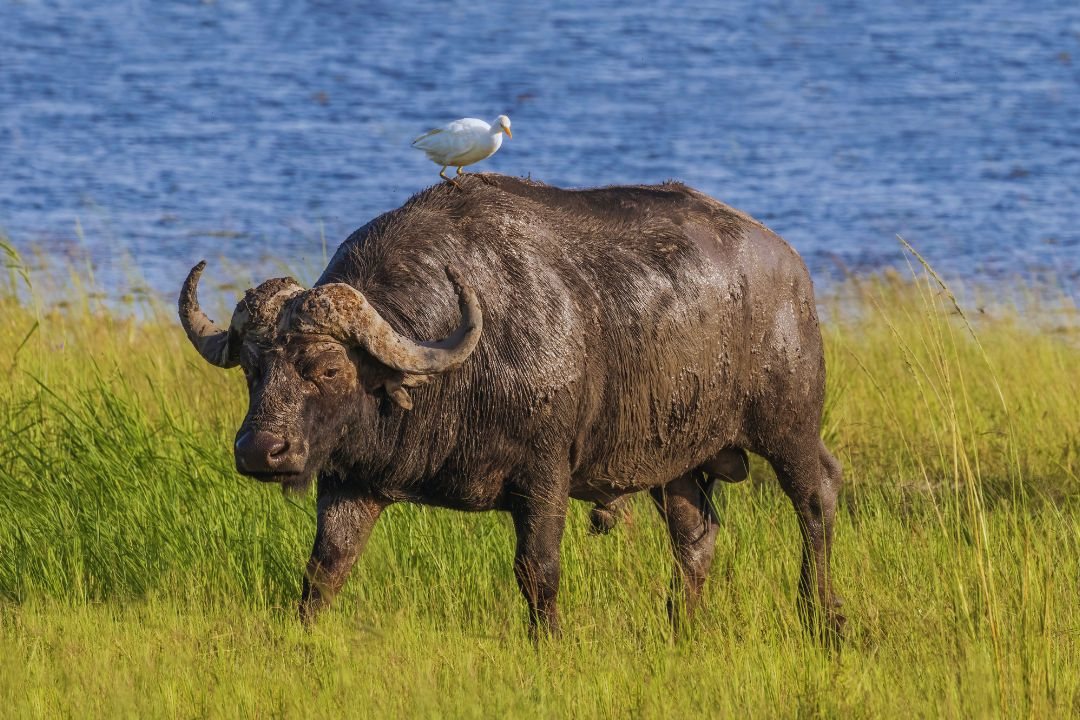
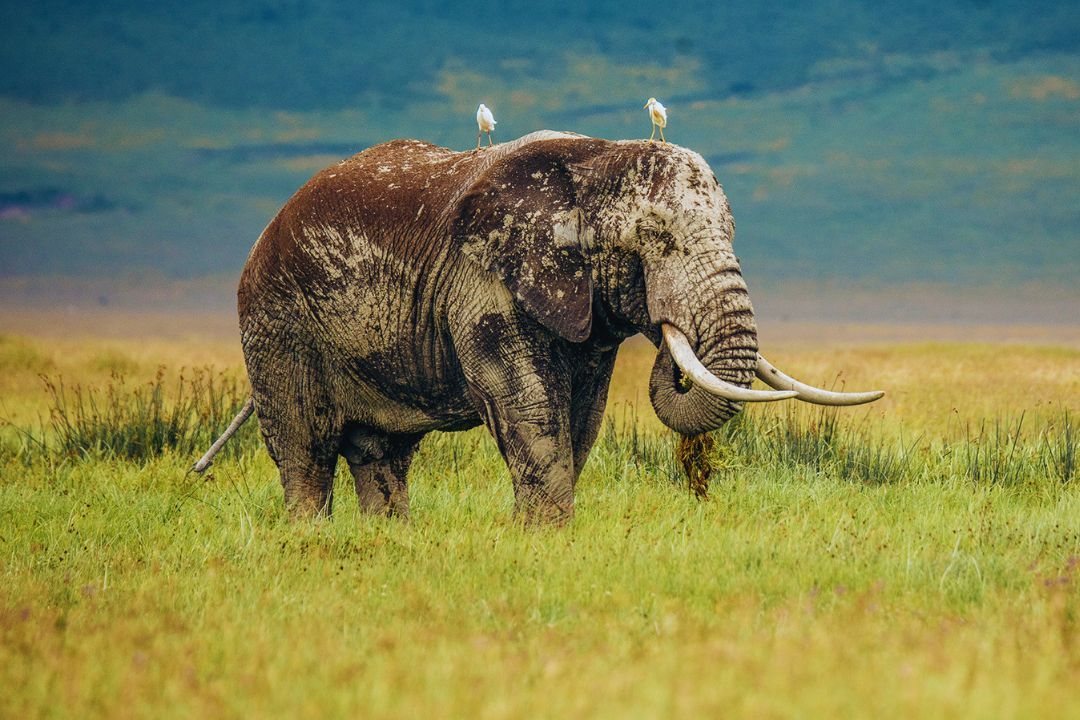
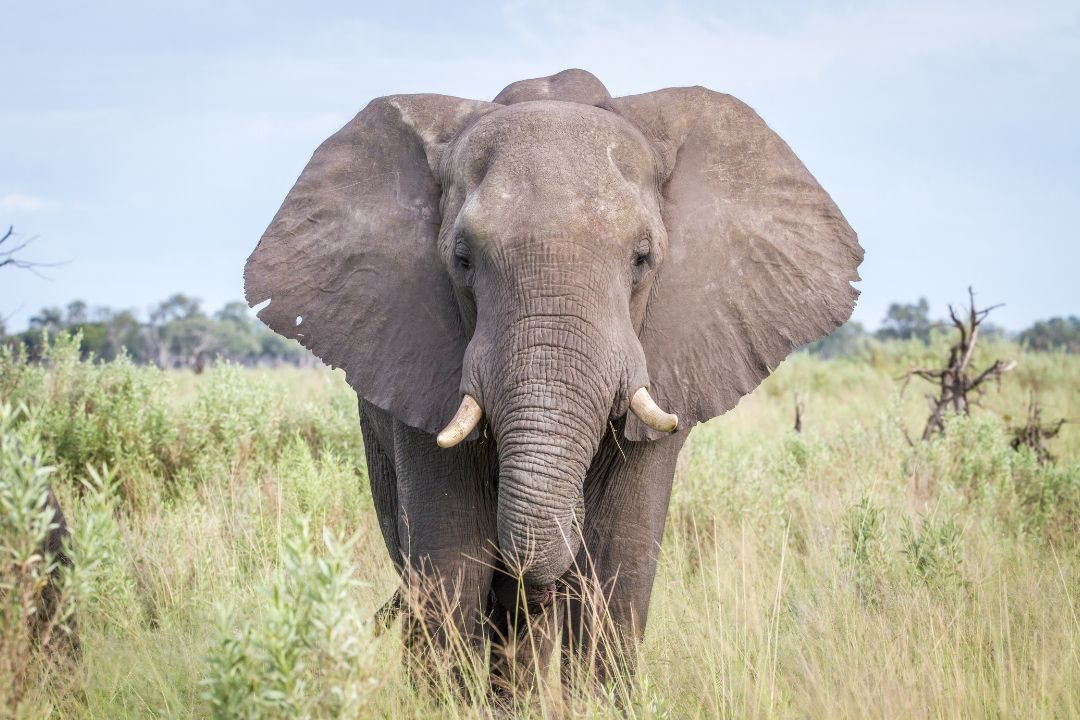
The Serengeti supports one of the largest concentrations of large mammals on earth. Blue (white-bearded) wildebeest are the defining species, followed by plains zebra and Thomson’s and Grant’s gazelles. Elephant, buffalo, Masai giraffe, topi, Coke’s hartebeest, eland, impala, warthog and spotted hyena complete a remarkably varied picture.

Lions are the park’s best-known residents, and long-term research that began in 1966 has made the Serengeti lions among the most closely studied in the world. Leopards favour the riverine trees and kopjes of the central Serengeti, while cheetahs are most often found on the open plains of the south and east, where they can see — and outrun — their prey.

Grassland, kopjes and river forest

The southern and eastern plains grow on fertile volcanic ash from the Ngorongoro Highlands and Ol Doinyo Lengai. Their short, mineral-rich grasses are what draws the herds south to give birth. Scattered across them are kopjes: ancient granite outcrops that collect rainwater and shade, support trees and rock hyraxes, and give predators a vantage point over the plains.

Moving north and west, the landscape becomes wooded savannah of acacia and Commiphora, cut by rivers lined with figs, sausage trees and yellow-barked fever trees. The Grumeti and Mbalageti rivers run through the Western Corridor towards Lake Victoria, while the Mara River in the far north is the ecosystem’s main permanent river and its last reliable water in a dry year.

How wildlife moves with the seasons

Rainfall decides almost everything. More rain generally falls in the north-west than the south-east, and the southern short-grass plains only hold water and fresh grazing in the wet months. The migratory herds therefore spend the rains in the south, retreat towards the wetter north and west as the plains dry out, and return when the short rains break, usually in November. Resident animals and many predators stay put, so wildlife viewing never stops; it simply changes character.

Birdlife

More than 500 bird species have been recorded in the Serengeti. Ostrich, kori bustard and secretarybird stride across the plains, and several vulture species gather wherever there has been a kill. Grey-breasted spurfowl, Fischer’s lovebird and rufous-tailed weaver are regional specialities with small ranges in northern Tanzania, and the Usambiro barbet is a sought-after find in the north and west. Migrant birds from Europe and Asia are present from about November to April, the richest season for birding.

Why it matters

Together with the Ngorongoro Conservation Area, the Maswa, Grumeti and Ikorongo game reserves, Loliondo and Kenya’s Maasai Mara, the park forms the Serengeti–Mara ecosystem, one of the last places on earth where a large-scale land migration still functions. Decades of research here have shaped much of what is known about savannah ecology. Black rhino, once widespread, were reduced to a handful by poaching and now survive in small, closely protected numbers.

What you are likely to see

A realistic guide to Serengeti wildlife. Sightings are never guaranteed and depend on the season, the area and the time you spend searching.

How oftenAnimalsWhere and when
Commonly seenLion, spotted hyena, elephant, buffalo, giraffe, zebra, topi, impala, Thomson’s and Grant’s gazelle, hippo, wildebeest (seasonal herds)Throughout the park; migratory herds depend on the month
Regular in the right areaLeopard, cheetah, Nile crocodile, eland, jackal, ostrichLeopard along Seronera’s rivers; cheetah on the southern and eastern plains; crocodiles in the Grumeti and Mara rivers
Occasionally encounteredServal, bat-eared fox, honey badger, klipspringer, oribi, colobus monkeyMostly early and late in the day; klipspringer on kopjes; colobus in the Western Corridor’s riverine forest
RareBlack rhino, African wild dog, aardvark, ground pangolin, striped hyenaRhino in closely protected areas of the central-south; wild dogs mainly beyond the eastern boundary

Guides share sightings by radio, but responsible guiding means giving animals space rather than crowding them.

Places to explore

Top Areas of the Serengeti

The Serengeti is best understood as a collection of distinct regions. These are the areas most safaris are built around.

Central Serengeti · Year-round

Seronera Valley

The Seronera River and its tributaries create a network of permanent water, riverine woodland and open grassland in the heart of the park. This is the Serengeti’s most dependable game-viewing area in any month, known for leopards in the sausage and acacia trees along the rivers and for lion prides on the surrounding kopjes. The main airstrip and the visitor centre are here too. Its popularity means more vehicles in peak months, so early starts and patient driving pay off.

  • Best for: first-time visitors, big cats
  • Best time: all year
Central-south · Year-round

Moru Kopjes

South-west of Seronera, the Moru Kopjes are among the most striking granite outcrops in the park. Look for Gong Rock, a boulder that rings when struck, and a rock shelter decorated with Maasai paintings of shields and animals. Lions often rest on the rocks, and the area is central to black rhino protection, although sightings are rare. Migrating herds frequently pass through Moru between April and June, filling the plains around the kopjes.

  • Best for: scenery, photography, lions
  • Best time: all year; herds often pass April–June
Southern Serengeti & Ndutu · December–March

The Southern Plains

In the wet season the short-grass plains of the southern Serengeti and the neighbouring Ndutu area become the migration’s calving grounds. Huge numbers of calves are born over a few weeks, usually peaking in February, and the predators gather accordingly. Lakes Ndutu and Masek lie just across the boundary in the Ngorongoro Conservation Area, which affects park fees and camp choice. Outside the rains the plains are dry, open and quiet.

  • Best for: calving, predator action, photography
  • Best time: December–March
Western Serengeti · Late May–July

Western Corridor & Grumeti River

A long arm of the park reaching towards Lake Victoria, the Western Corridor follows the Grumeti and Mbalageti rivers through woodland, black-cotton plains and gallery forest. When the migration passes, usually between late May and July, the herds must cross the Grumeti, where large Nile crocodiles wait in the pools. The rest of the year is quieter, with resident giraffe, eland and topi, and black-and-white colobus monkeys in the riverine forest.

  • Best for: Grumeti crossings, fewer vehicles
  • Best time: late May–July
Kogatende & Lamai · July–October

Northern Serengeti & the Mara River

The north is the Serengeti at its most dramatic: rolling hills, granite outcrops and the Mara River, where the herds gather and cross between roughly July and October. Crossings depend entirely on the animals, and waiting on the riverbank is part of the experience. Kogatende is the main base, with an airstrip nearby, while the Lamai area across the river is quieter. Outside the dry season, the north offers some of the emptiest landscapes in the park.

  • Best for: river crossings, rolling scenery
  • Best time: July–October
Great Migration safaris
North-central Serengeti · Year-round

Lobo

Between Seronera and the far north, the Lobo area is a landscape of hills, woodland and large granite kopjes with permanent springs. It sees far fewer vehicles than the centre and is often crossed by the migration heading north around July and returning south in November. Resident elephant, lion and buffalo are present throughout the year, and the scenery is among the most varied in the park.

  • Best for: quieter game drives, scenery
  • Best time: all year; herds often pass July and November
Eastern Serengeti · Best December–April

Eastern Plains & Gol Kopjes

East of Seronera, the open plains around the Gol Kopjes and Namiri are some of Africa’s finest cheetah country. Parts of this area were closed to tourism for many years to protect predator research, and it remains among the less visited corners of the park. In the wet season the migratory herds spread across the eastern plains; in the dry months the land is sparse but still holds lions, cheetahs and hyenas.

  • Best for: cheetahs, solitude
  • Best time: December–April
Experiences

Things to Do in the Serengeti

Game drives are the heart of any Serengeti safari, but there is more to the park than the view from the vehicle. Some activities need advance booking or special permission.

Game drives

Morning and afternoon drives, or a full day with a picnic lunch, in a 4x4 with a pop-up roof. Game drives take place in daylight hours, and off-road driving is not allowed in the national park.

Hot-air balloon safaris

Sunrise flights over the plains followed by breakfast in the bush. Flights leave from set launch sites, including central Seronera, are run by licensed operators, depend on the weather and should be booked in advance.

Guided walking safaris

Short walks with an armed ranger reveal the smaller details of the bush. They are only possible in designated areas, from camps with permission or in private concessions outside the park, so arrange them in advance.

Wildlife photography

Open plains, kopjes and soft early light make the Serengeti exceptional for photography. A private vehicle lets you set your own pace, wait for behaviour and position for the light.

Birdwatching

More than 500 recorded species, from ostriches and secretarybirds to tiny sunbirds. November to April, when migrants arrive and many species breed, is the richest time.

Following the migration

Calving on the southern plains early in the year, the Grumeti early in the dry season and the Mara River crossings from about July. Time on location matters more than covering distance.

Cultural visits

Villages beyond the park boundary, including Maasai communities in the Ngorongoro area, welcome arranged visits. Choose community-run programmes so that fees benefit the village.

Seronera Visitor Centre

Displays on the ecosystem and its history, and a short self-guided trail around a kopje — a good stop during the middle of the day.

When to go

Best Time to Visit the Serengeti

There is no single best season — each brings a different Serengeti. These are the broad patterns; rain varies from year to year.

Dry season: June to October

Rain is rare, the grass is short and animals concentrate near permanent water, which makes wildlife easier to find. The migration is usually in the Western Corridor in June and in the northern Serengeti from about July to October, when the Mara River crossings are the main attraction. Days are warm and mornings cool. July and August are the busiest months, with the highest rates at many camps.

Short rains: November to mid-December

Short showers usually return in November and the landscape turns green within days. The herds move south through the Lobo area and the eastern plains. Visitor numbers fall, prices are often lower and most roads remain passable.

Green season: mid-December to March

The herds settle on the southern plains and calving begins, usually peaking in February. A drier spell often arrives between the short and long rains, around January and February. Landscapes are lush, migrant birds are present and the skies are dramatic.

Long rains: April and May

The heaviest rain of the year falls now. Some roads, especially on black-cotton soil, become difficult and several seasonal camps close. In return, you get green landscapes, very few vehicles and some of the lowest rates of the year, while the herds move through the central and western Serengeti.

Month-by-month guide

The Serengeti Month by Month

Choose a month to see where the herds usually are and what to expect. Every year is different, so treat this as a guide rather than a timetable.

KenyaTanzaniaMaasai MaraSerengetiLake VictoriaMara RiverGrumeti RiverNgorongoro

Pick a month — the herd walks to where the migration usually is

January

Southern plains · Calving begins

Warm, green and usually fairly dry between the rains. The herds are spread across the southern Serengeti and Ndutu, and the first calves are born. Predator activity is high and the birding is excellent. Good value compared with the dry season, though popular around the holidays. Short afternoon showers are possible.

February

Southern plains · Peak calving

Calving usually peaks this month, with large numbers of young born over a few weeks. Lions, cheetahs and hyenas follow the herds closely, making this one of the best months for predator action. Short, lush grass and big skies are rewarding for photography. Book early: southern camps fill quickly.

March

Southern & central Serengeti · Rains returning

The herds stay in the south while the grazing lasts, then start drifting west and north as the long rains approach. Rain becomes more frequent later in the month, but game viewing remains good and visitor numbers fall. The calves are stronger now, and the predators are still close by.

April

Central & western Serengeti · Long rains

Usually the wettest month. The herds move through the centre and towards the west, often around Moru. Some roads become muddy and several seasonal camps close, so routes need flexibility. In exchange, the park is quiet, green and often excellent value, with resident wildlife still active around Seronera.

May

Central Serengeti & Western Corridor · Rutting season

Rain eases towards the end of the month. Long columns of wildebeest move through the centre and into the Western Corridor, and the noisy rut is under way. Landscapes are green, visitor numbers are low and rates are often reduced — a good choice for travellers who prefer space to sunshine.

June

Western Corridor · Dry season begins

The dry season starts and the grass begins to turn gold. Herds gather in the Western Corridor and often cross the Grumeti River, where large crocodiles wait, while others move north. Clear skies, cool mornings and good visibility make this an excellent all-round month before the July peak.

July

Western & northern Serengeti · First Mara crossings

The herds push north, and the first Mara River crossings often happen this month, although timing varies. Dry weather and short grass give excellent game viewing across the park. This is peak season, with the highest demand for northern camps, so book well ahead and expect company at the best sightings.

August

Northern Serengeti · River crossings

Typically one of the best months for Mara River crossings around Kogatende and Lamai, with herds moving back and forth across the river. Days are dry and warm, nights cool, and the central Serengeti also has excellent resident game. The busiest month of the year, with peak rates.

September

Northern Serengeti & Maasai Mara · Crossings continue

Many herds graze in Kenya’s Maasai Mara, while others remain in the northern Serengeti and crossings continue. Conditions are dry, the grass is short and predators are easier to find. Visitor numbers begin to fall later in the month, which makes September a strong choice for the north.

October

Northern Serengeti · Herds turn south

The end of the dry season. Herds start drifting back from the Mara towards the Serengeti, and crossings in both directions are still possible. It is hot and dusty before the rains, but there are fewer visitors and some camps lower their rates. The first showers may arrive late in the month.

November

Lobo & eastern Serengeti · Short rains

The short rains usually begin and the herds head south through the Lobo area and the eastern plains, sometimes moving quickly. The landscape turns green within days. Afternoon showers are typical but rarely stop game drives. A quiet, good-value month, with migrant birds arriving.

December

Southern & eastern Serengeti · Back to the plains

The herds return to the southern plains as fresh grass appears, and the earliest calves may be born late in the month. The weather mixes sunshine with short showers. Visitor numbers rise again over Christmas and New Year, so book early if you plan to travel over the holidays.

Patterns follow the rains and vary every year — we plan around the latest sightings.

Best time by travel interest

InterestBest monthsWhy
General wildlife viewingJune – OctoberDry weather, short grass and animals gathered near water
Mara River crossingsJuly – OctoberHerds in the far north; the timing of crossings varies
Calving & predatorsJanuary – March (peak usually February)Southern plains and Ndutu; newborn calves draw lions, cheetahs and hyenas
Grumeti River crossingsLate May – JulyWestern Corridor, depending on the herds
BirdwatchingNovember – AprilMigrants from Europe and Asia; many resident species breeding
PhotographyJanuary – February · June – OctoberGreen landscapes and big skies, or clear dry-season light
Family travelJune – October · December – FebruaryDrier weather, school holidays and good resident game
Fewer vehicles & lower ratesApril – May · NovemberGreen season; note that some camps close in April and May

Patterns vary from year to year. Tell us your dates and we will suggest the best area of the park for them.

Where to stay

Serengeti Lodges & Tented Camps

Accommodation in and around the park ranges from established lodges to intimate camps close to the migration. Location matters more than anything else, so match the camp to the month. These are examples; availability and rates change, and we will confirm options for your dates.

Mid-range

Central Serengeti · Lodge

Serengeti Serena Safari Lodge

A long-established lodge on a hillside in the central Serengeti, with rooms in rondavel-style buildings, a swimming pool and wide views over the plains. Its position gives easy access to the year-round game viewing of the Seronera Valley. A comfortable, reliable choice for first-time visitors and families who prefer solid walls to canvas.

  • Style: classic safari lodge
  • Ideal for: families, first-time visitors
Central Serengeti · Tented lodge

Kubu Kubu Tented Lodge

Spacious permanent tents on a hillside in the central Serengeti, combining the atmosphere of canvas with the facilities of a lodge, including a pool overlooking the plains. Its central location makes it a practical base for Seronera and the eastern plains, and a good fit for couples who want a tented experience with home comforts.

  • Style: permanent tented lodge
  • Ideal for: couples, small groups
South-central Serengeti · Lodge

Serengeti Sopa Lodge

Set in the Nyarboro Hills of the south-central Serengeti, Sopa is a large lodge with spacious rooms, a pool and broad views. It is well placed for the Moru Kopjes and for the southern plains during the green season, although drives to Seronera take a little longer. A good-value option for groups and families.

  • Style: large lodge
  • Ideal for: groups, families, green-season visits

Luxury

Northern Serengeti · Tented lodge

Lemala Kuria Hills Lodge

Glass-fronted tented suites among the boulders of the Kuria Hills in the northern Serengeti, each with its own plunge pool. The lodge is within reach of the Mara River crossing points, which makes it a strong dry-season base, and the north’s open landscapes are quiet outside peak months. Ideal for couples and photographers who want comfort and privacy.

  • Style: luxury tented suites
  • Ideal for: honeymooners, photographers
Northern Serengeti · Tented camp

Sayari Camp (Asilia)

The closest permanent camp to the Mara River, about 20 minutes from Kogatende airstrip, with 15 tented suites including family and honeymoon tents, a pool and a spa. Walking safaris are available for guests aged 12 and over. The camp is open from June to March and closed in April and May.

  • Style: permanent tented camp
  • Ideal for: river crossings, families with older children
Eastern Serengeti · Tented camp

Namiri Plains (Asilia)

A stylish camp on the eastern plains, in an area long closed to tourism to protect predator research. It is known above all for big cats, especially cheetahs and lions, and for a sense of space well away from the busier central areas. Best for photographers, returning safari travellers and anyone who values solitude.

  • Style: luxury tented camp
  • Ideal for: big-cat enthusiasts, photographers

Ultra-luxury

Central Serengeti · Lodge

Four Seasons Safari Lodge Serengeti

A polished, year-round lodge inside the national park, about 45 minutes’ drive from Seronera airstrip, linked by raised walkways and overlooking a waterhole that attracts elephants and other wildlife. An infinity pool, spa and dedicated children’s programme make it especially suited to families and travellers who want hotel-level service in the bush.

  • Style: luxury lodge
  • Ideal for: families, travellers wanting full facilities
Grumeti Reserve, next to the Western Corridor · Lodge

Singita Sasakwa Lodge

A manor-style hilltop lodge in the private Singita Grumeti reserve, which borders the park’s Western Corridor. Being outside the national park allows activities that the park itself does not, such as night drives and guided walks, and vehicle numbers are kept low. Best for honeymooners and travellers seeking exclusivity, especially when the migration passes.

  • Style: luxury lodge, private reserve
  • Ideal for: honeymooners, exclusive stays
Kuria Hills, north-eastern boundary · Lodge

&Beyond Klein’s Camp

Stone-and-thatch cottages on a ridge in a private concession bordering the north-eastern Serengeti. Because it lies outside the park, guided walks and night drives are possible on the concession, while game drives also visit the national park. A good choice for travellers who want privacy, varied activities and access to the northern Serengeti.

  • Style: intimate lodge, private concession
  • Ideal for: couples, active travellers
Serengeti safaris

Safari Tours That Include the Serengeti

Private safaris from Arusha that spend time in the Serengeti. Each itinerary can be adjusted to the month, your pace and your choice of lodges.

Itinerary ideas

Ways to Include the Serengeti

Three ways to fit the Serengeti into a Northern Tanzania trip. Driving times are estimates and depend on road conditions and wildlife stops.

Short visit · 4 days

Serengeti & Ngorongoro in brief

The most efficient way to see the two best-known parks of the Northern Circuit. The drive from Arusha takes most of the first day, so flying one way can add valuable time in the park.

  • Route: Arusha – central Serengeti (2 nights) – Ngorongoro highlands (1 night) – Ngorongoro Crater – Arusha
  • Highlights: Seronera’s big cats, a full day on the plains, the Crater
  • Ideal for: travellers short on time, or after a Kilimanjaro climb
4-day itinerary
Classic experience · 7 days

The Northern Circuit

A balanced pace that avoids long back-to-back drives and gives two full days in the Serengeti, with time for both the central area and a seasonal region.

  • Route: Arusha – Tarangire – Karatu – Serengeti (3 nights) – Ngorongoro Crater – Arusha
  • Highlights: Tarangire’s elephants, two Serengeti areas, the Crater
  • Ideal for: first-time visitors, families, couples
Extended experience · 10–12 days

The Serengeti in depth, then Zanzibar

Four or five nights across two or three Serengeti areas chosen for the month, then a light-aircraft flight to Zanzibar (usually with a stop) for a beach finish.

  • Route: Arusha – Tarangire – Ngorongoro – Serengeti central and seasonal areas (4–5 nights) – fly to Zanzibar
  • Highlights: the migration in its seasonal area, quieter regions, beach time
  • Ideal for: honeymooners, photographers, bush-and-beach trips
Zanzibar holidays
The road to the Serengeti passes through the Ngorongoro highlands
Getting there

How to Get to the Serengeti

Most visitors fly into Kilimanjaro International Airport (JRO), about an hour’s drive from Arusha, the starting point for Northern Circuit safaris. Others arrive via Dar es Salaam or Zanzibar and connect on a domestic flight.

By road

The classic route runs from Arusha via Karatu and the Ngorongoro Conservation Area to Naabi Hill Gate and on to Seronera, about 320 km. Allow roughly 7–8 hours without long stops; most itineraries break the journey with a night near Tarangire, Lake Manyara or Karatu. The northern Serengeti is around four to five hours further from Seronera. From the west, Ndabaka Gate is about 2–3 hours by road from Mwanza on Lake Victoria. Roads inside the parks are gravel and can be rough, especially after rain.

By air

Scheduled light-aircraft services link Arusha Airport (ARK), Kilimanjaro and Lake Manyara with Serengeti airstrips, including Seronera in the centre and Kogatende in the north; other strips are served according to the season. A flight from Arusha to Seronera takes roughly an hour, though routes often include stops. Charter flights reach many airstrips. Baggage allowances are strict — often 15–20 kg per person in soft-sided bags — so check with the airline.

Good to know

  • Park fees and gate hours are set by Tanzania National Parks (TANAPA) and change from time to time. Fees are charged per person for each 24 hours.
  • The Ndutu area lies in the Ngorongoro Conservation Area, which charges its own fees.
  • On fly-in safaris, game drives are usually with a guide and vehicle based at your camp.
Before you go

Practical Travel Information

How long to stay

Three nights is a sensible minimum. Two nights give you one full day, which is a taste of the park but leaves little time to wait for the best sightings. Four or five nights let you combine the central Serengeti with a seasonal area such as the north or the southern plains.

Weather and what to pack

Most of the park lies between roughly 900 and 1,850 metres above sea level, so mornings and evenings are cool and days are warm. Pack layers in neutral colours, a fleece or light jacket for early drives, a hat, sunglasses, sunscreen and, in the wet months, a light rain jacket. Dust is common in the dry season, so a scarf or buff helps. A pair of binoculars for each traveller makes a real difference.

Park rules

Stay in the vehicle except at designated sites, keep to the tracks and keep noise down near animals. Game drives take place in daylight, and feeding wildlife is forbidden. Drones need special permits and may not be flown without them. Single-use plastic bags are banned in Tanzania.

Health and safety

The Serengeti lies in a malaria area, and tsetse flies occur in wooded parts of the north and west; they are attracted to dark blue and black clothing. Speak to a travel health clinic about vaccinations and malaria prevention, and check current entry and yellow fever requirements before you travel. Most camps are unfenced, so staff escort guests to and from their rooms after dark.

Travelling with children

The Serengeti suits families, but long drives can be tiring for young children. Choose fewer moves and longer stays, consider a flight to cut road time, and check age policies: some camps and activities, such as walking safaris and balloon flights, have minimum ages.

Accessibility

Larger lodges generally offer the easiest access, while tented camps can involve uneven paths and steps. Tell us about any mobility needs early so we can check vehicles and rooms with each property.

Photography

A zoom lens of around 100–400 mm covers most situations, and a bean bag steadies it on the vehicle. Bring spare batteries and memory cards; charging is usually available at camps, sometimes only at set hours.

Responsible wildlife viewing

Give animals space, especially at kills, dens and river crossings, where crowding vehicles can change their behaviour. A good guide positions the vehicle carefully and waits rather than chases.

Entry requirements, park fees and regulations change, so please check the latest information from the Tanzanian authorities and TANAPA before you travel.

Savannah landscape on the edge of the Serengeti ecosystem
Conservation & community

Conservation, Culture & Local Communities

The Serengeti’s protection has always depended on more than the park boundary. Its wildlife moves across national parks, game reserves, conservation areas and community land, and the long-term health of the ecosystem depends on how all of these are managed. Tanzania National Parks (TANAPA) manages the park, supported by partners such as the Frankfurt Zoological Society, which has worked in the Serengeti since the 1950s on research, protection and rhino conservation.

The communities around the park — among them Maasai pastoralists to the east and Ikoma, Kurya, Sukuma and other farming and herding communities to the west — live alongside wildlife every day, with real costs as well as benefits. Park fees, conservation levies and jobs in lodges and camps are among the ways tourism contributes.

As a traveller, you can help by choosing camps that employ and buy locally, following park rules, asking before photographing people, and visiting communities through programmes that the villages run themselves.

Questions

Serengeti FAQs

Still have a question? Ask our team or message us on WhatsApp.

Is the Serengeti worth visiting outside migration season?

Yes. The migration is only part of the park’s wildlife. Lions, leopards, cheetahs, elephants, buffalo, giraffe and many antelope live in the Serengeti all year, and the central Seronera area offers good game viewing in every month. Outside the busiest months you will share sightings with fewer vehicles and often pay less for accommodation. The key is choosing the right area for your dates.

How many days do you need in the Serengeti?

We recommend at least three nights in the park, which gives you two full days of game drives. Four or five nights let you explore two different areas — for example the central Serengeti and the north in the dry season, or the southern plains during calving. If you travel by road from Arusha, allow for travel time on either side, or fly in to make the most of a shorter stay.

When is the best time to see river crossings?

Mara River crossings usually happen between about July and October in the northern Serengeti, around Kogatende and Lamai. Grumeti River crossings in the Western Corridor are most likely from late May to July. Crossings depend entirely on the herds, so even in peak months you may wait on the riverbank for hours — or see several in one day. Staying two or three nights nearby improves your chances.

What is the difference between the Serengeti and the Maasai Mara?

They are two parts of one ecosystem, divided by the Tanzania–Kenya border. The Serengeti is far larger — about 14,763 km² compared with roughly 1,500 km² for the Maasai Mara National Reserve — and offers more variety of landscape and season. The Mara is compact, with a high density of wildlife and camps. The herds spend most of the year in Tanzania and are usually in the Mara from about August to October.

Is a Serengeti safari suitable for children?

Yes, with some planning. Children usually love the wildlife, but long drives can be tiring, so plan fewer moves, consider flights to cut road time and choose lodges with pools or family rooms. Check age limits too, as some camps, walking safaris and balloon flights have minimum ages. A private vehicle is best for families because you can stop when you need to and set your own pace.

Are hot-air balloon safaris worth it?

For many travellers, a balloon flight is a highlight: a quiet hour drifting over the plains at sunrise, followed by breakfast in the bush. It is a significant extra cost, and flights depend on the weather and on where the operator launches, so book in advance and plan it around your camp’s location. Children usually need to meet a minimum age.

Should I stay in the central Serengeti or a seasonal camp?

Central Serengeti lodges and camps sit in an area with year-round game viewing and easy access to Seronera airstrip, so they work in any month. Seasonal and mobile camps open or move to follow the migration, placing you close to the herds in the south or north at the right time. Many itineraries combine both: a central base for resident wildlife and a seasonal camp for the migration.

Can I drive myself in the Serengeti?

Self-drive is possible but uncommon, and not ideal for most visitors. Distances are long, roads are rough and signposting is limited, vehicles must be suitable 4x4s, and park regulations apply. More importantly, an experienced guide knows where to look, reads animal behaviour and stays in touch with other guides about sightings. Most travellers find a guided private safari a far better experience.

Do I need malaria tablets and vaccinations?

The Serengeti is in a malaria area, so most travellers take antimalarial medication and use repellent, long sleeves and mosquito nets in the evenings. Vaccination requirements, including a yellow fever certificate for some travellers, depend on your nationality and route. Please consult a travel health clinic several weeks before you travel and check current official guidance, as requirements change.

Are park fees included in the safari price?

Park fees are usually built into a quoted safari price, and your quotation from us will list exactly what is included. Fees are set by Tanzania National Parks (TANAPA) and the Ngorongoro Conservation Area Authority, charged per person for each 24 hours, and change from time to time. Areas such as Ndutu fall under Ngorongoro and carry separate fees.

Plan with a local expert

Your Serengeti, Planned Around You

The Serengeti rewards good timing and good advice. Our founder grew up in the Mara Region near the park, and we plan every safari around the month you travel, the wildlife you most want to see and the pace that suits you. Share your dates and ideas, and we will suggest the right areas, camps and route, with a clear, itemised quote — honest local knowledge, with no pressure.

Plan your safari

Visit Serengeti National Park with us

Tell us your dates, group and travel style — a local expert will reply with ideas and a clear quote.

  • Free, no-obligation quote — we reply within 24 hours
  • Speak directly to our team in Arusha — no call centres
  • 100% tailor-made — every itinerary built around you
Prefer to call or message? +255 761 692 756 [email protected] · WhatsApp
I’m interested in
WhatsApp