
Tanzania Travel Guide
Everything you need to plan a safari, Kilimanjaro climb or Zanzibar holiday: when to go, visas and entry rules, health, money and tipping, packing, getting around and staying safe.
 Best Time to Visit TanzaniaMonth-by-month advice for safaris, the Great Migration, Kilimanjaro and Zanzibar — so you can choose the right season f…Explore
 Tanzania Visa & Entry RequirementsVisas, the eVisa, passport rules, yellow fever certificates and the mandatory inbound travel insurance for mainland Tan…Explore
 Tanzania Health & VaccinationsHow to stay healthy on safari, on Kilimanjaro and on Zanzibar — vaccinations, malaria prevention, altitude, food and wa…Explore Money & Tipping in TanzaniaCurrency, cash or card, ATMs, US dollars, budgeting for extras and how tipping works for safari guides, lodge staff and…Explore
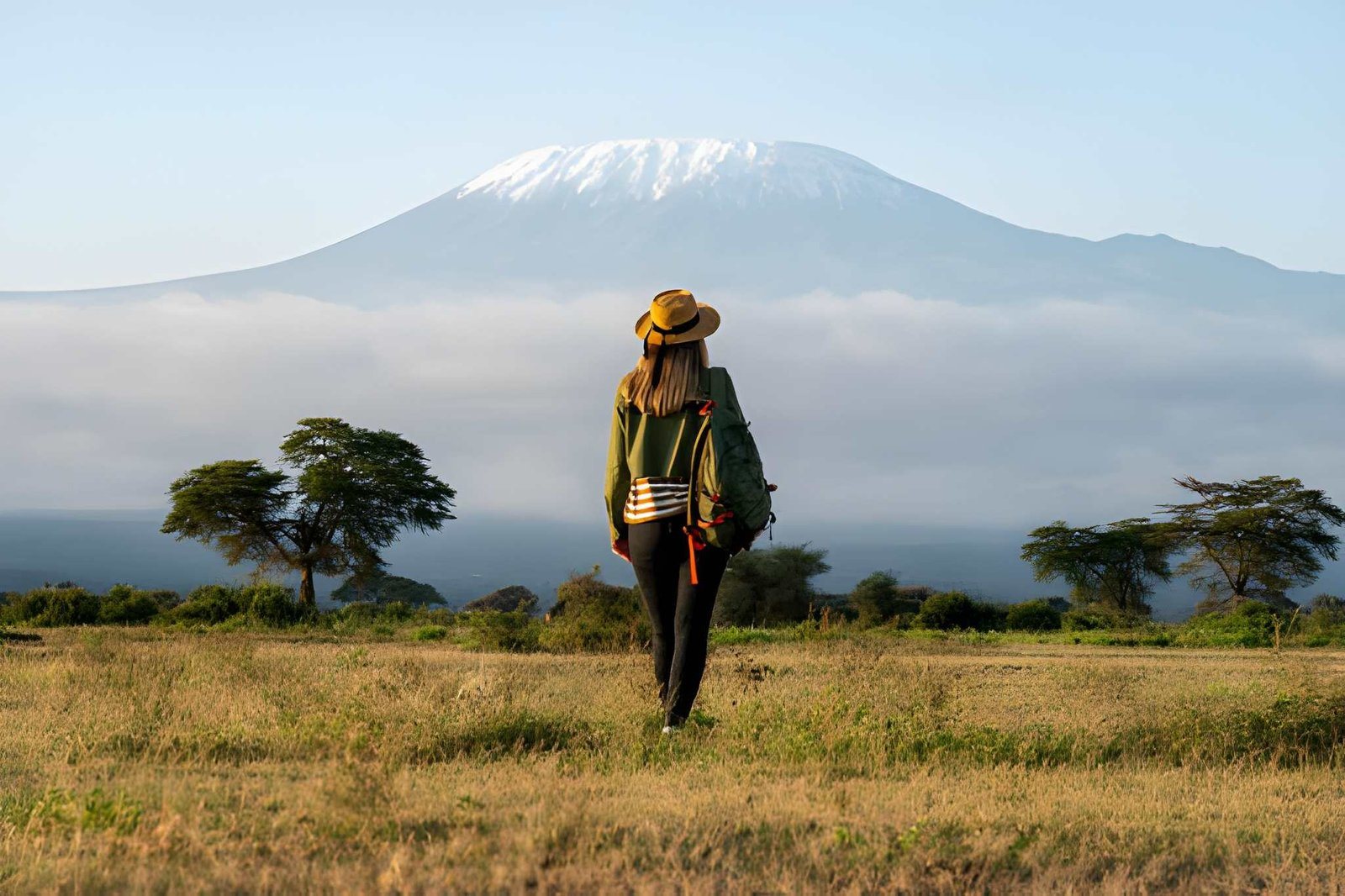 What to Pack for a Tanzania SafariA practical safari packing list: clothing, luggage limits on light aircraft, gear, documents and extras for combining a…Explore
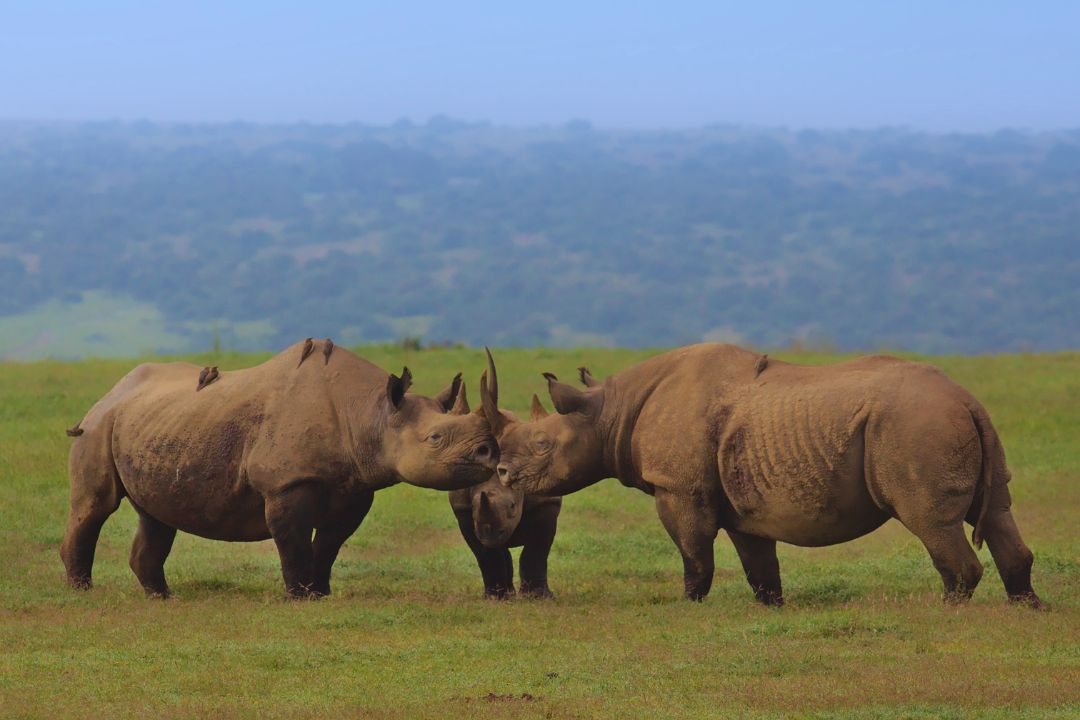 Is Tanzania Safe? Safety & Local CustomsPractical safety advice for towns, safaris, Kilimanjaro and Zanzibar, plus local customs, greetings, dress and photogra…Explore
Planning a trip to Tanzania
Tanzania is one of the most rewarding places in Africa to travel — home to the Serengeti and the Great Migration, the Ngorongoro Crater, Mount Kilimanjaro and the white-sand beaches of Zanzibar. A little planning makes the difference between a good trip and a great one. This guide brings together the practical advice our team in Arusha gives every traveller, from choosing the right season to what to pack and how tipping works.
Start with the best time to visit Tanzania to match your dates to the wildlife, mountain and beach seasons. Then check the visa and entry requirements — including the mandatory inbound travel insurance introduced for mainland Tanzania in October 2026 — and read our guides to health and vaccinations, money and tipping, what to pack and safety and local customs.
Getting to Tanzania
Most safari travellers and Kilimanjaro climbers fly into Kilimanjaro International Airport (JRO), about an hour from Arusha and about 45 minutes from Moshi, with connections through hubs such as Doha, Istanbul, Dubai, Addis Ababa, Nairobi and Amsterdam. Arusha’s smaller airport (ARK) handles domestic flights to the parks and Zanzibar. Many international flights also arrive at Julius Nyerere International Airport in Dar es Salaam and at Abeid Amani Karume International Airport on Zanzibar, both with domestic connections to the north.
Before you fly, most visitors need a visa (apply online on the official portal) and the government’s mandatory inbound travel insurance (US$44 per adult, valid up to 92 days). Some travellers also need a yellow fever certificate depending on their route — for example if they arrive from Kenya. Our visa and entry guide explains each step. Our driver meets you on arrival at any of the airports.
Before You Travel
Health and vaccinations
See a travel clinic 6–8 weeks before you go. Malaria is present in most areas below about 1,800 m, and a yellow fever certificate is needed only if you arrive from a risk country such as Kenya.
Visa and insurance
Apply for your eVisa 2–4 weeks ahead. Buy the mandatory inbound travel insurance for your first point of entry, and take out your own policy with evacuation cover too.
Money
The currency is the Tanzanian shilling. US dollars are widely accepted for tips and extras — bring clean, recent, small notes. ATMs are in towns, not in the parks.
Plugs and power
Tanzania uses 230 V with British-style three-pin (type G) and some round-pin (type D) sockets. Bring a universal adaptor and a power bank.
No plastic bags
Single-use plastic carrier bags are banned in Tanzania and may be confiscated on arrival. Pack toiletries in reusable or zip-lock bags.
Language
Swahili and English are both widely spoken in tourism. A few words of Swahili — “jambo” (hello), “asante” (thank you) — are always appreciated.
Travel times in Northern Tanzania
Approximate driving times by road. Times vary with traffic, road works and wildlife stops — on safari, the journey is part of the game drive.
| Route | By road | Notes |
|---|---|---|
| Kilimanjaro Airport → Arusha | About 1 hour | Arrival transfer |
| Kilimanjaro Airport → Moshi | About 45 minutes | Base for Kilimanjaro climbs |
| Arusha → Tarangire | About 2–2.5 hours | Paved road |
| Arusha → Lake Manyara / Karatu | About 2–2.5 hours | Paved road |
| Karatu → Ngorongoro Crater rim | About 45 minutes | Forest road to the rim |
| Ngorongoro → central Serengeti | About 3–4 hours | Gravel road, game viewing on the way |
| Arusha → Zanzibar | About 1–1.5 hours by air | Scheduled domestic flights |
Domestic flights connect Arusha with the Serengeti airstrips and Zanzibar. Light aircraft usually allow about 15–20 kg per person in soft bags.
Tipping in Tanzania
Tipping is customary in Tanzanian tourism and an important part of income for guides, porters and lodge staff. It is always at your discretion and should reflect the service you received. On safari, guests usually tip their guide at the end of the trip, and most lodges have a communal tip box for staff. On Kilimanjaro and Mount Meru, the whole crew is tipped together at the end of the climb, usually at a small ceremony with songs.
We share current tipping guidelines with every booking, so you can bring the right amount in suitable notes. Read more in our guide to money and tipping in Tanzania.
Safety and Local Customs
Tanzania is a welcoming country and generally safe for visitors. In towns, take the usual precautions: keep valuables out of sight, use hotel safes and take taxis at night. On safari, always follow your guide’s instructions around wildlife, and in unfenced camps let staff escort you after dark.
Always ask before photographing people, particularly in Maasai and other rural communities, and respect a refusal. Dress modestly in towns and villages, and especially on Zanzibar, where shoulders and knees should be covered away from the beach. Read our full guide to safety and local customs, and check your own government’s travel advice before you go.
Travel Guide FAQs
Still have a question? Ask our team or message us on WhatsApp.
Do I need a visa for Tanzania?
Most visitors need a visa, which can be applied for online through the official Tanzania Immigration eVisa portal. The single-entry tourist visa usually costs US$50 (US citizens receive a multiple-entry visa of about US$100). Requirements change, so check the current rules for your nationality before you travel.
Is travel insurance mandatory in Tanzania?
Yes. Since October 2026 most foreign visitors to mainland Tanzania must buy the government inbound travel insurance (US$44 per adult, up to 92 days), as Zanzibar has required since 2024. It does not replace your own comprehensive travel insurance.
When is the best time to visit Tanzania?
June to October is the classic dry season for safari and climbing, and late January to February is calving season in the southern Serengeti. Wildlife can be seen all year — see our month-by-month guide.
Is the water safe to drink?
Tap water is not recommended for drinking. Bottled or filtered water is provided on safari and on climbs, and most lodges supply drinking water in rooms.
Will my phone work in Tanzania?
Mobile coverage is good in towns and along main roads, but patchy in many parks. Local SIM cards are inexpensive and easy to buy with your passport, and many lodges have Wi-Fi in their main areas.
What should I wear on safari?
Comfortable layers in neutral colours, such as khaki, green or beige, a warm layer for early mornings, a hat and sturdy shoes. Avoid dark blue and black in tsetse fly areas.
Is Tanzania safe for tourists?
Yes, Tanzania is generally safe and welcoming. Take normal precautions in towns, follow your guide on safari and check your government’s current travel advice.
Can’t find the perfect trip? We’ll design it.
Every itinerary can be changed — tell us what you have in mind.
- Free, no-obligation quote — we reply within 24 hours
- Speak directly to our team in Arusha — no call centres
- 100% tailor-made — every itinerary built around you