
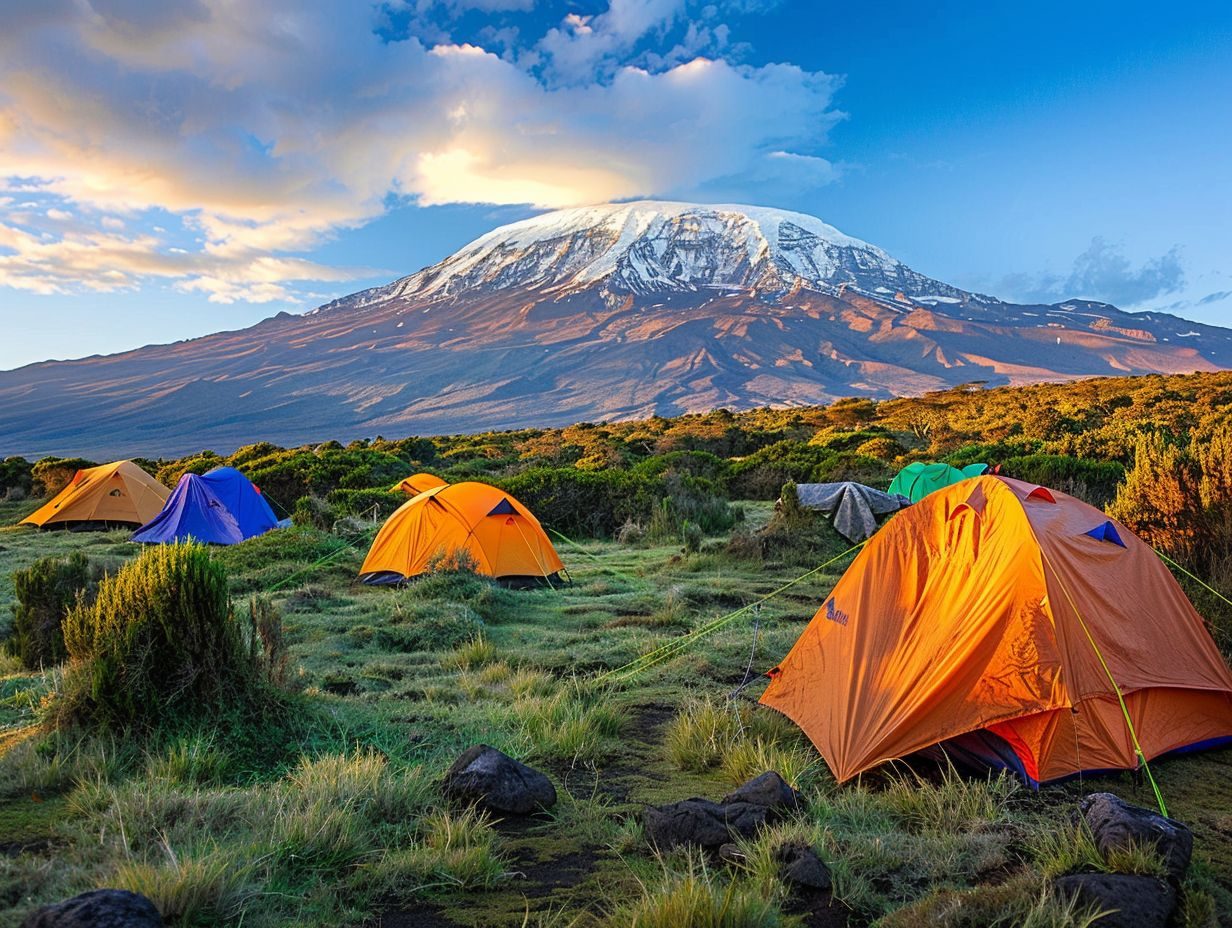
Mount Kilimanjaro Climbing
Stand on the Roof of Africa — Uhuru Peak, 5,895 m. Compare the routes, choose the right number of days and climb with an experienced Arusha crew.
9 routesPrivate & tailor-madeFrom Arusha, Tanzania
Compare
Which route is right for you?
Every trip is private and can be changed to suit you.
| Route | Length | Difficulty | Max altitude | From | |
|---|---|---|---|---|---|
| 5-Day Marangu Route | 5 days | Moderate–challenging | 5,895 m | On request | View |
| 6-Day Marangu Route | 6 days | Moderate | 5,895 m | On request | View |
| 6-Day Machame Route | 6 days | Challenging | 5,895 m | On request | View |
| 7-Day Machame Route | 7 days | Challenging | 5,895 m | On request | View |
| 7-Day Lemosho Route | 7 days | Moderate–challenging | 5,895 m | On request | View |
| 8-Day Lemosho Route | 8 days | Moderate | 5,895 m | On request | View |
| 6-Day Rongai Route | 6 days | Moderate | 5,895 m | On request | View |
| 7-Day Rongai Route | 7 days | Moderate | 5,895 m | On request | View |
| 9-Day Northern Circuit Route | 9 days | Moderate | 5,895 m | On request | View |
Guides & more
 Kilimanjaro Climbing GuideEverything you need to know before climbing Kilimanjaro: routes compared, best time, altitude sickness, costs, tipping…Explore
 Kilimanjaro Packing List & PreparationThe complete Kilimanjaro packing list: clothing layers, sleeping bag, boots, gear you can rent in Moshi or Arusha, and…Explore
At a glance
Kilimanjaro in Brief
Summit
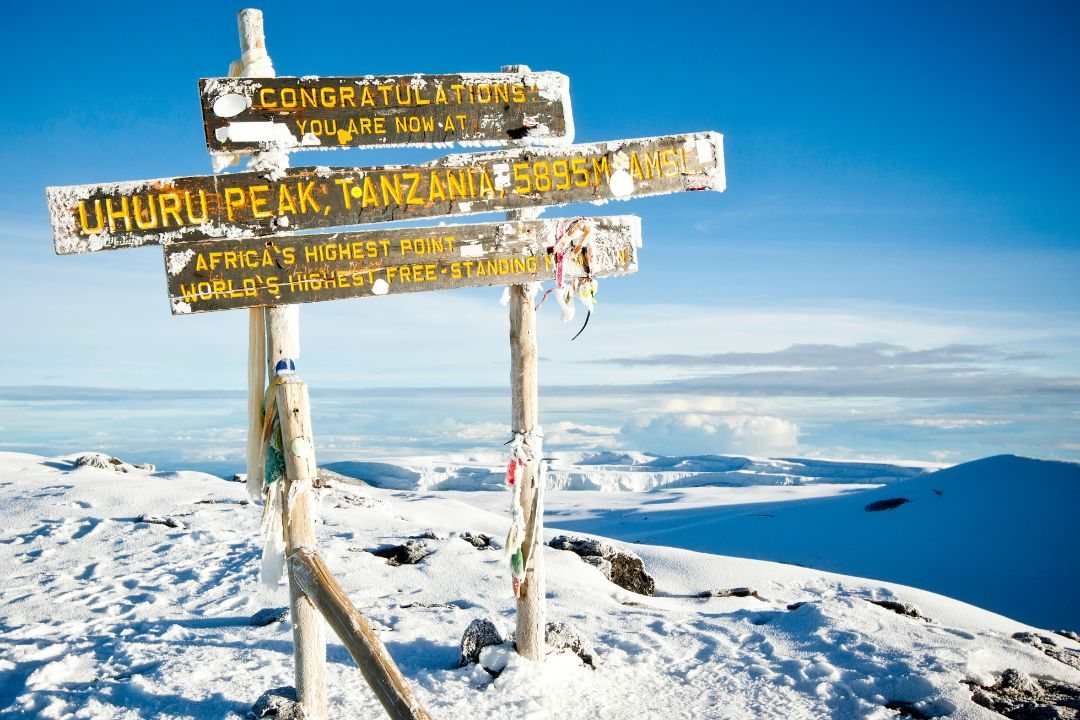
Uhuru Peak, 5,895 m — the highest point in Africa.
Location
North-eastern Tanzania above Moshi, close to the Kenyan border; about 1.5–2 hours from Arusha.
Routes
Machame, Lemosho, Marangu, Rongai and the Northern Circuit, plus the steep Umbwe.
Days on the mountain
Five to nine. We recommend seven or more for the best chance of reaching the top.
Best months
Late December to early March, and June to October.
Difficulty
A non-technical but demanding high-altitude trek. Altitude is the main challenge.
Minimum age
10 years for summit climbs, under Kilimanjaro National Park rules.
Summit weather
Often well below freezing before dawn, with strong wind chill.
The mountain
Africa’s Highest Mountain, Explained
Kilimanjaro rises alone from the plains of northern Tanzania, nearly 5,000 metres above the farmland around its base. It is the highest mountain in Africa and the tallest free-standing mountain in the world: not part of a range, but a single massive volcano that you can see, on a clear day, from more than 100 kilometres away.
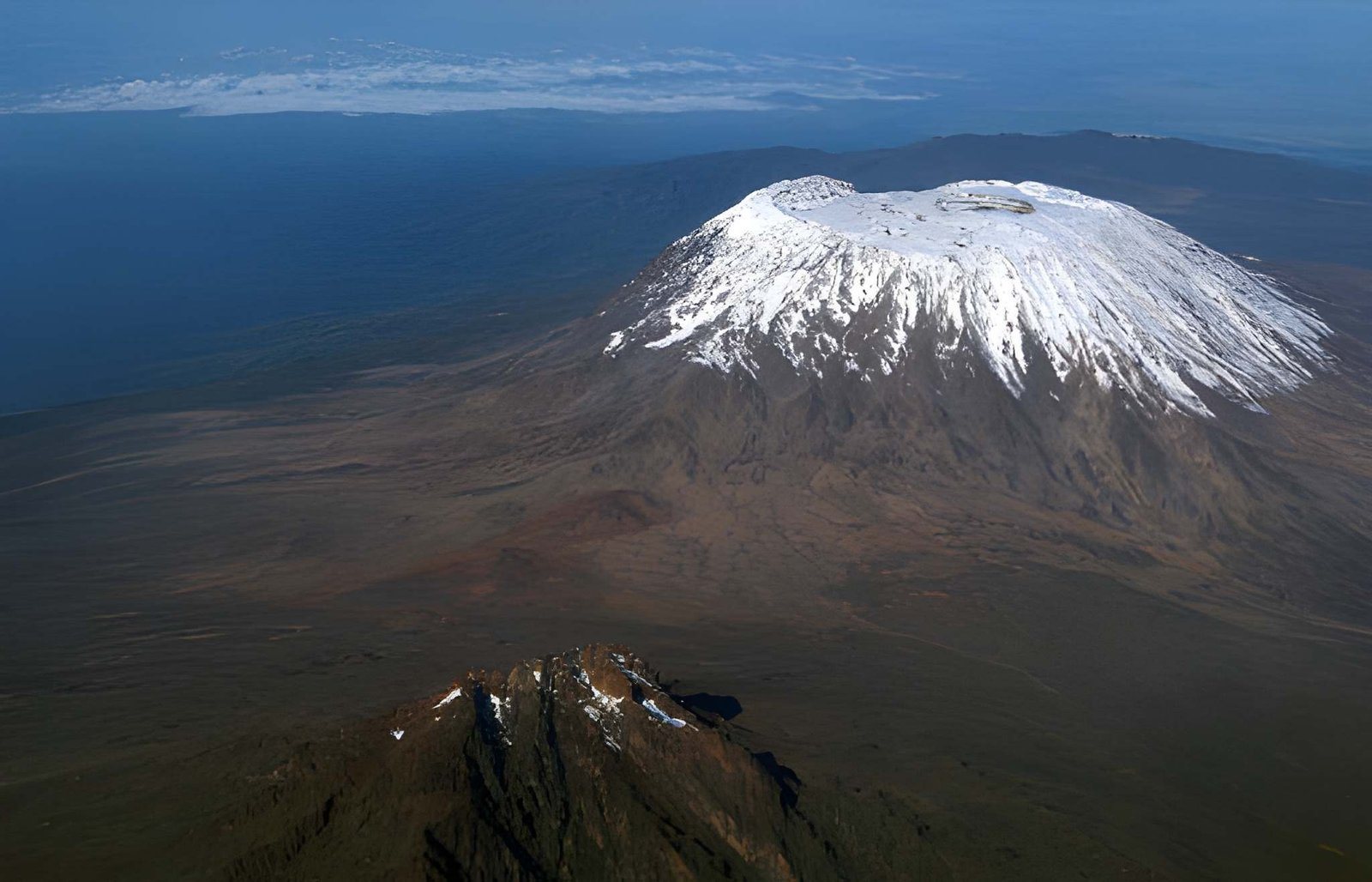
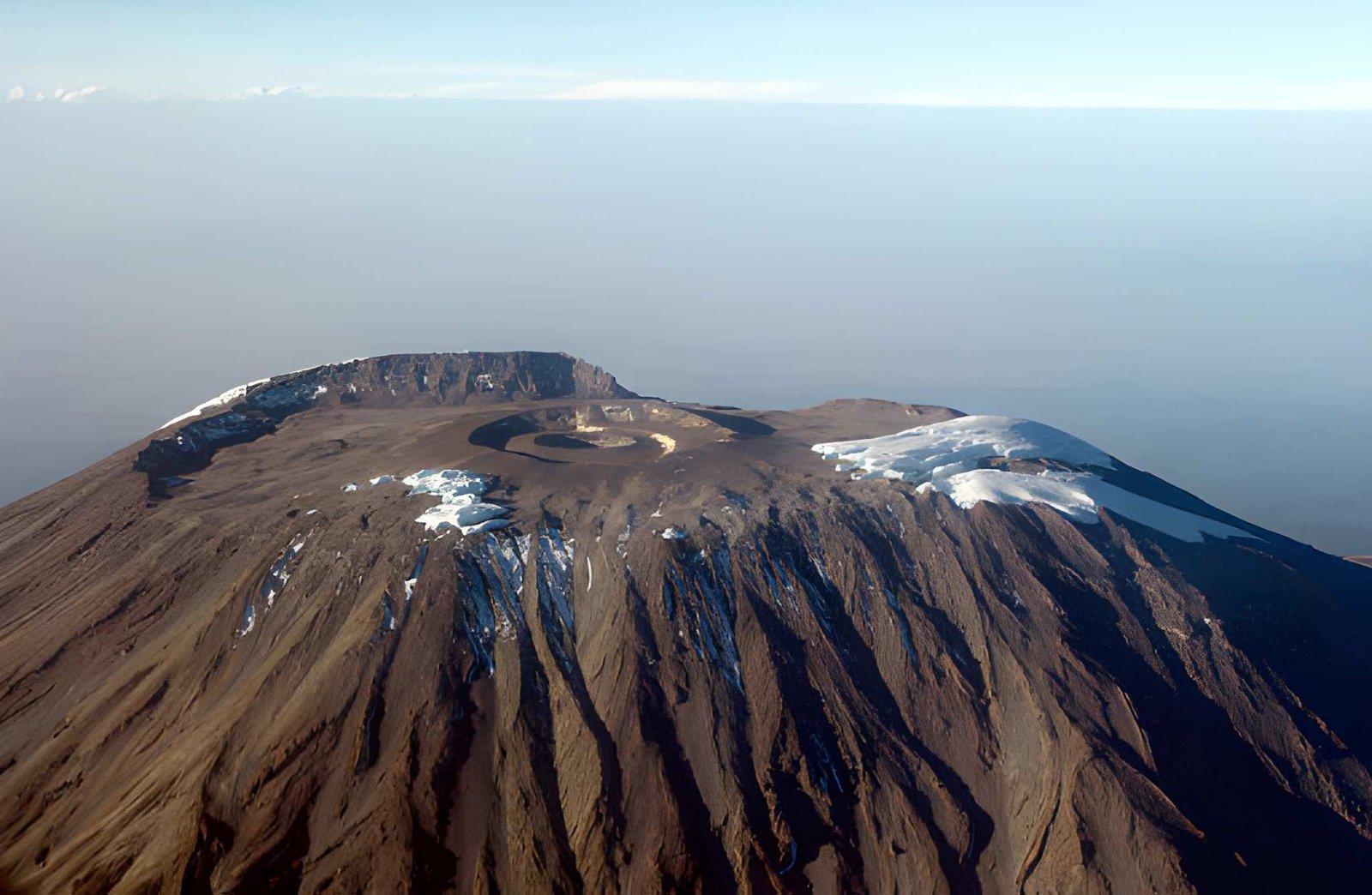
The mountain is made of three volcanic cones. Kibo, the youngest and highest, holds the summit crater and Uhuru Peak. Mawenzi, to the east, is a jagged, eroded peak of about 5,150 metres that is not climbed by trekkers. Shira, the oldest, collapsed long ago and now forms the broad Shira Plateau crossed by the western routes.
Kilimanjaro National Park protects the mountain above the forest line and is a UNESCO World Heritage Site. The glaciers and ice fields near the summit have shrunk dramatically over the past century, though climbers still pass close to impressive walls of ice on the crater rim. The lower slopes are home to the Chagga people, whose coffee and banana farms line the roads to the park gates.
No ropes or technical skills are needed on the trekking routes. What makes Kilimanjaro serious is the altitude: at the summit there is roughly half the oxygen available at sea level. That is why the route you choose, the number of days you allow and the way your crew manages the pace matter so much.
From Farmland to Glacier: the Five Climate Zones
Climbing Kilimanjaro is often compared to walking from the equator to the Arctic in a week. Altitudes are approximate.
| Zone | Altitude | What you will see |
|---|---|---|
| Cultivated slopes | About 800 – 1,800 m | Villages, coffee and banana farms on the drive to the gates |
| Montane rainforest | About 1,800 – 2,800 m | Tall, mossy forest, colobus and blue monkeys, often humid and muddy |
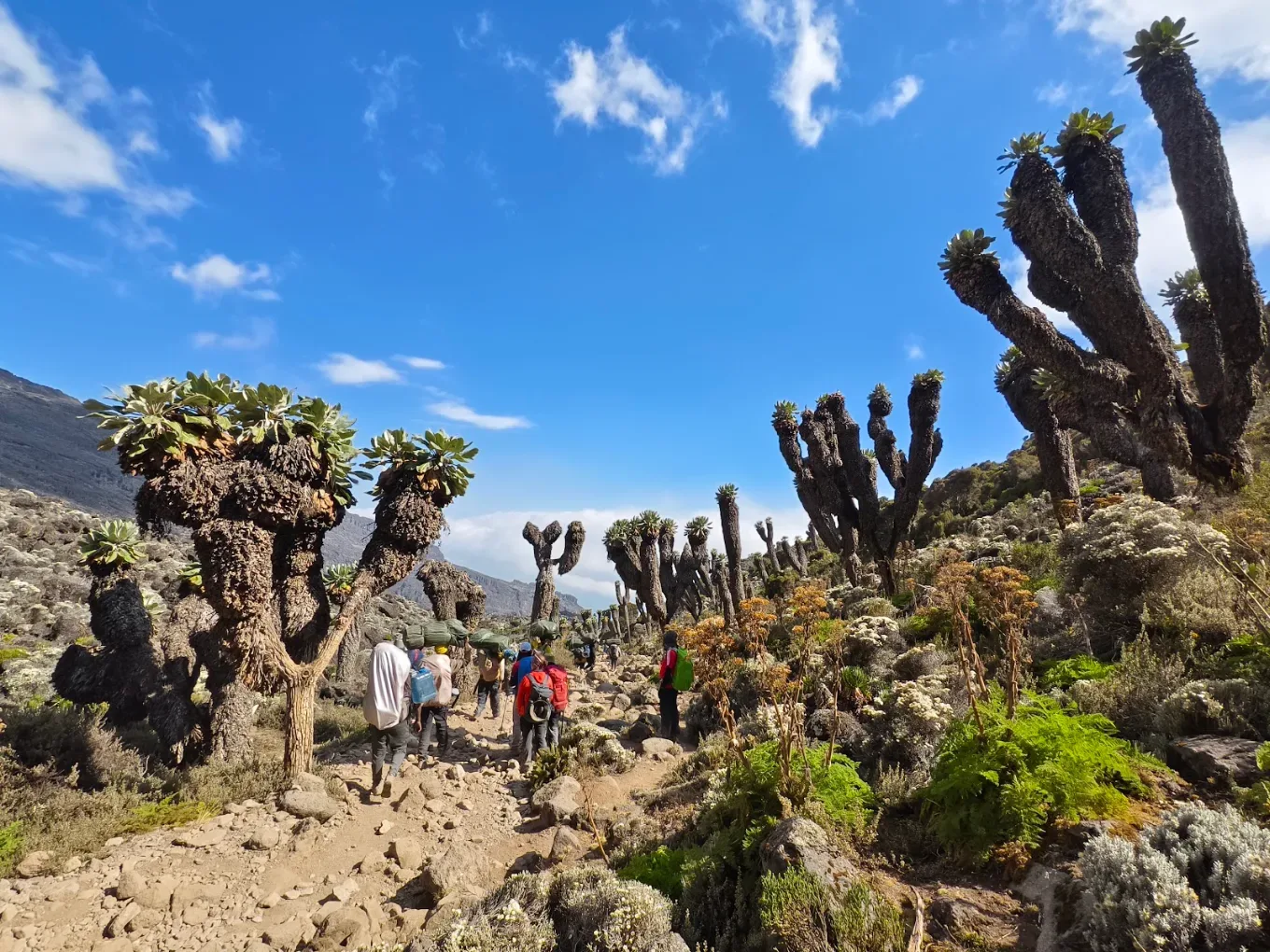
| Heath and moorland | About 2,800 – 4,000 m | Giant heathers, then open moorland with giant groundsels and lobelias |
| Alpine desert | About 4,000 – 5,000 m | Bare rock and scree, intense sun by day and freezing nights |
| Arctic summit | Above 5,000 m | The crater rim, glaciers and ice cliffs, thin air and extreme cold |
Route guide
The Kilimanjaro Routes in Detail
Every route reaches the same summit, but each has its own character. Choose a tab to compare scenery, accommodation, crowds and who it suits.
Machame Route — varied and popular
Machame starts on the southern slopes and climbs through rainforest to the Shira Plateau, before traversing beneath the glaciers of the Southern Circuit. Its profile includes the classic “climb high, sleep low” day via the Lava Tower (about 4,600 m) to Barranco Camp, followed by the famous scramble up the Barranco Wall.
It is our most requested route for good reason: superb scenery, sound acclimatisation on the seven-day version and good value. The trade-off is company, as Machame is the busiest camping route in peak months.
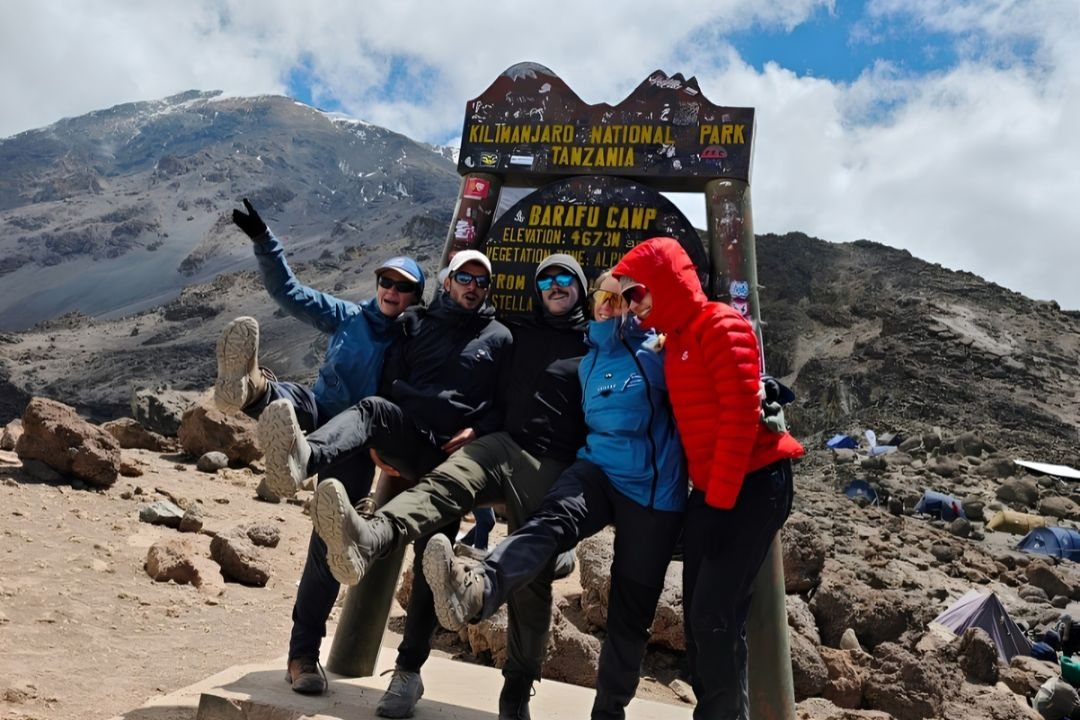
- Summit attempt from Barafu Camp (4,673 m)
- Descent via the Mweka route
- Some steep sections and a hands-on scramble on the Barranco Wall
- Days: 6 or 7
- Sleeping: tents
- Scenery: excellent
- Crowds: busy in peak months
- Best for: most fit first-time climbers
Lemosho Route — quiet start, high success
Lemosho begins in the far west at Londorossi Gate, with two quiet days in remote rainforest, where colobus monkeys are common. It crosses the whole Shira Plateau, one of the most beautiful areas of the mountain, before joining the Machame trail at Lava Tower and Barranco.
The gradual start and longer itineraries give excellent acclimatisation, which is why Lemosho is often recommended for the best chance of reaching the summit. The approach to the western gate takes longer by road, and the route costs a little more than Machame.
- Summit attempt from Barafu Camp
- Descent via the Mweka route
- Very scenic on the Shira Plateau
- Days: 7 or 8
- Sleeping: tents
- Scenery: outstanding
- Crowds: quiet for the first days
- Best for: maximising summit chances
Marangu Route — the hut route
Marangu is the only route with sleeping huts: Mandara Hut (2,720 m), Horombo Hut (3,720 m) and Kibo Hut (about 4,700 m), with bunk beds and shared dining rooms. It climbs and descends on the same path from the south-east, through forest and moorland and across the high saddle between Mawenzi and Kibo.
It is often called the easiest route because of its gentler gradients, but its short itineraries give less time to acclimatise. We recommend the six-day version, which adds an acclimatisation day at Horombo Hut.
- Summit night from Kibo Hut via Gilman’s Point
- Huts instead of tents — useful in the rainy months
- Same route up and down, so less variety
- Days: 5 or 6
- Sleeping: mountain huts
- Scenery: good
- Crowds: moderate
- Best for: climbers who prefer huts to tents
Rongai Route — from the north
Rongai is the only route that approaches from the north, close to the Kenyan border. The northern slopes receive less rain, so it is a good choice in the wetter months, and the trail is quieter than the southern routes. Wildlife is occasionally seen in the forest at the start.
The seven-day version includes a night at Mawenzi Tarn, beneath the spires of Mawenzi, which helps acclimatisation and is one of the most dramatic campsites on the mountain. Climbers then cross the saddle to Kibo Hut and descend on the Marangu route.
- Summit night from Kibo Hut via Gilman’s Point
- Gentle gradients and drier conditions
- Scenery is less varied than the western routes
- Days: 6 or 7
- Sleeping: tents
- Scenery: good, with Mawenzi views
- Crowds: quiet
- Best for: rainy-season climbs, quieter trails
Northern Circuit — the longest route
The Northern Circuit starts like Lemosho in the west, then leaves the busy southern trail to circle the quiet northern slopes of Kibo, with wide views towards Kenya. It is the longest route on Kilimanjaro and sees very few other climbers.
Nine days on the mountain give the most time to acclimatise of any route, which makes it a strong choice for anyone worried about altitude or anyone who wants a true wilderness experience. The summit attempt usually starts from School Hut.
- Summit night from School Hut (4,750 m) via Gilman’s Point or Stella Point
- Descent via the Mweka route
- Longest and most remote itinerary
- Days: 9
- Sleeping: tents
- Scenery: outstanding and varied
- Crowds: very few
- Best for: best acclimatisation, solitude
Umbwe Route — steep and direct
Umbwe is the steepest and most direct route, climbing sharply from the southern forest to Barranco Camp. It is quiet and dramatic, but its fast ascent gives little time to acclimatise, so it is only suitable for experienced high-altitude trekkers.
We do not usually recommend Umbwe for first-time climbers. Ask us if you are considering it, and we will talk through whether it fits your experience.
- Days: 6 or 7
- Sleeping: tents
- Crowds: very quiet
- Best for: experienced high-altitude trekkers only
How many days?
Why More Days Means a Better Chance
Altitude, not fitness, is the main reason climbers do not reach the summit. The body needs time to adapt to thinner air, and the best way to give it that time is to walk slowly and choose a longer itinerary. Routes that climb high during the day and sleep lower, such as Machame and Lemosho, help further.
We recommend at least seven days on the mountain for most climbers. Five- and six-day climbs are possible for those with experience at altitude, but they leave less margin if you feel unwell. An extra day costs far less than a missed summit.
- 5–6 days: the shortest options (Marangu, Machame, Rongai). Suitable mainly for climbers who have been to high altitude recently.
- 7 days: the best balance for most people, on Machame, Lemosho or Rongai.
- 8–9 days: Lemosho and the Northern Circuit — the most time to acclimatise and the quietest trails.
When to climb
Kilimanjaro Month by Month
Kilimanjaro can be climbed all year. Conditions vary with the seasons, and weather on the mountain can change at any time.
| Month | Conditions | Good to know |
|---|---|---|
| January | Mostly dry and clear, cold at the summit | A popular month; occasional snow on the summit |
| February | Dry, warm days and often clear views | One of the best months; busy around full moon |
| March | Increasingly wet as the long rains approach | Early March is good; quieter trails later in the month |
| April | Long rains; wet, muddy forest and cloud | The quietest month; Rongai or Marangu are better choices |
| May | Long rains continue, easing late in the month | Very few climbers; prepare for wet conditions |
| June | Dry season begins; cold nights | Good conditions and fewer climbers than July |
| July | Dry and cold, especially at night | Peak season with holiday crowds on popular routes |
| August | Dry, clear and cold | Peak season; book well ahead |
| September | Dry and slightly warmer | Excellent conditions, with fewer climbers than August |
| October | Mostly dry; clouds building late in the month | A good, quieter month |
| November | Short rains, usually brief afternoon showers | Quiet trails; the northern Rongai route is drier |
| December | Showers early, drying out by mid-month | Christmas and New Year are very popular |
Full-moon summit nights are popular because the moonlight helps on the final climb; book early if you want one.
Summit night
What to Expect on Summit Night
Summit night is the hardest part of any Kilimanjaro climb. After an early dinner and a few hours’ rest at your high camp — Barafu, Kibo Hut or School Hut, depending on the route — you start walking around midnight by headtorch. The climb to the crater rim is steep, on loose scree or switchbacks, and usually takes six to eight hours.
Most climbers reach the rim at Stella Point (about 5,756 m) or Gilman’s Point (about 5,685 m) around sunrise. From there, a gentler walk of one to two hours along the rim, past the glaciers, leads to Uhuru Peak at 5,895 m. After photographs at the summit sign, you descend the same day to a lower camp to sleep, which can mean 12 to 15 hours on your feet in total.
Temperatures before dawn are often well below freezing, and wind makes it feel colder still. Warm layers, insulated gloves, a hat that covers your ears and a flask of warm drink make a real difference. Above all, go slowly, keep eating and drinking, and listen to your guide.
Safety on the mountain
Climbing Safely
Altitude sickness can affect anyone, regardless of age or fitness. These are the essentials of a safe climb.
Go slowly — “pole pole”
Guides set a steady pace from the first day, which is the simplest way to reduce altitude problems.
Watch for symptoms
Headache, nausea and unusual tiredness are common at altitude. Tell your guide early, every time.
Emergency oxygen and first aid
Every climb carries emergency oxygen and a first-aid kit, and a plan to descend if anyone needs to.
Descent is the cure
If symptoms become serious, going down is the most effective treatment. Your guide’s decision is final.
Eat and drink well
Three to four litres of water a day and regular meals help your body cope with the altitude.
Insurance that covers altitude
Your travel insurance must cover trekking to 6,000 metres and emergency evacuation.
Altitude sickness
Understanding Altitude Sickness
Acute mountain sickness (AMS) is common on Kilimanjaro. Mild symptoms — headache, loss of appetite, nausea, poor sleep and tiredness — affect many climbers and often ease with rest, fluids and time. It is important to mention every symptom to your guide, even if it seems minor.
Two rarer conditions are serious: high-altitude cerebral oedema (HACE), which can cause confusion, loss of coordination and severe headache, and high-altitude pulmonary oedema (HAPE), which causes breathlessness at rest, a persistent cough and extreme fatigue. Both need immediate descent and medical help.
Some climbers use acetazolamide (Diamox) to help acclimatisation. This is a decision to make with your doctor before you travel, considering your health and any other medication. Medication is never a substitute for a sensible itinerary and a slow pace.
Our mountain crew
The Team Behind Your Climb
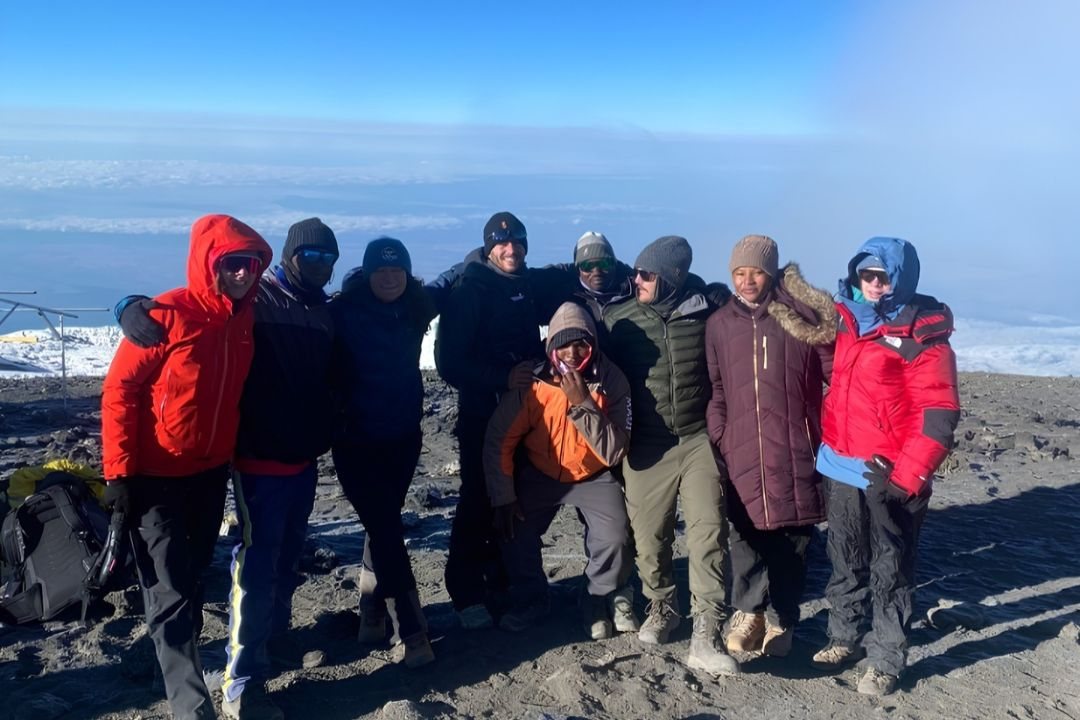
Every Kilimanjaro climb depends on a team: a lead guide, assistant guides, a cook and porters who carry the equipment, food and water. Our founder worked as a mountain guide for more than six years, and that experience shapes how we plan and run every climb.
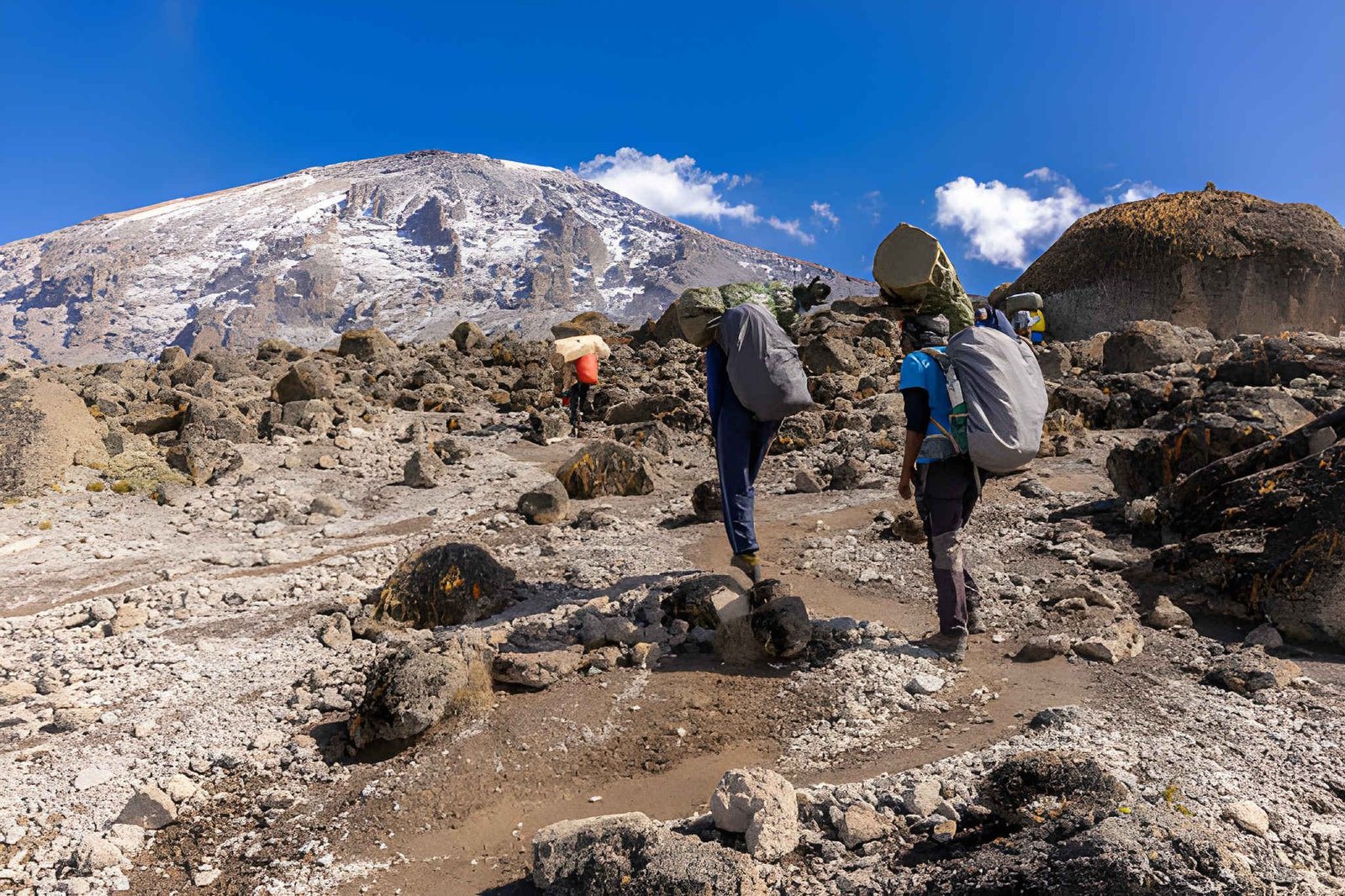
Porters are the backbone of every expedition, and treating them fairly matters. Responsible operators keep loads within park limits, provide proper meals and shelter, and pay fair wages. Tipping is a customary and important part of the crew’s income; we will explain the usual guidelines before you go.
Preparation
Getting Ready for Kilimanjaro
Training
You do not need to be an athlete, but good stamina makes the climb far more enjoyable. Start preparing two to three months before you travel.
- Walk or hike regularly, building up to several hours at a time, ideally on hills
- Do at least a few long hikes in the boots you will wear on the mountain
- Add stair climbing, cycling or swimming for general fitness
- Practise walking slowly and steadily rather than fast
If you have a medical condition, speak to your doctor before booking.
Gear & packing
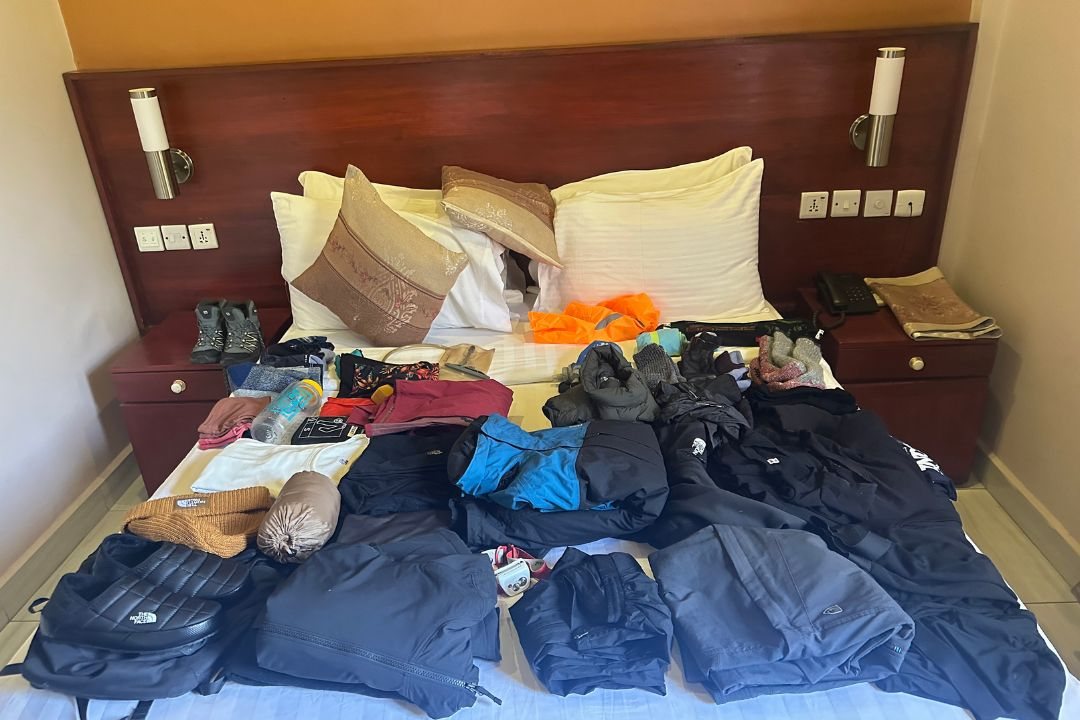
Layering is the key: you will walk in warm sunshine and through freezing nights on the same climb. Essentials include waterproof hiking boots, a warm down jacket, waterproof shell, thermal layers, insulated gloves, a warm hat, a headtorch and a sleeping bag rated to around −10 °C or colder.
Porters carry your main bag; you carry a daypack with water, snacks, rain gear and warm layers. Sleeping bags and trekking poles can be rented in Moshi or Arusha.
See the full list in our Kilimanjaro packing list.
Health & insurance
Visit a travel clinic several weeks before your trip for advice on vaccinations, malaria prevention for the lowlands, and altitude medication. Bring any personal medication, blister care and sun protection.
Travel insurance is essential and must cover trekking to 6,000 metres, including emergency evacuation and medical treatment. Check the policy wording carefully.
Before & after
Most climbers fly into Kilimanjaro International Airport (JRO), about 45 minutes from Moshi and an hour from Arusha. Our climbs include a hotel night before and after the climb, with a briefing and gear check on the evening before you start.
After the climb, many travellers rest for a day and then join a safari or fly to Zanzibar. Hot springs and gentle day trips are also popular for tired legs.
Prices & inclusions
What Your Climb Includes
Each route shows its starting price, and your quote lists everything. Price depends mainly on the route, number of days, group size and season.
Park, camping or hut and rescue fees
All Kilimanjaro National Park fees for your route — a large part of the cost of any climb.
Guides, cook and porters
A professional mountain guide, assistant guides, a cook and porters to carry the equipment.
Meals and drinking water
All meals on the mountain, cooked fresh by your cook, with treated drinking water.
Tents or huts
Quality mountain tents and sleeping mats on camping routes; hut beds on the Marangu route.
Emergency oxygen and first aid
Carried on every climb, with an evacuation plan if needed.
Hotel nights and transfers
A hotel night before and after the climb, and airport and gate transfers.
Combine your climb
Kilimanjaro Plus Safari or Zanzibar
Kilimanjaro sits at the gateway to Tanzania’s Northern Circuit, so it is easy to add a safari after your climb. Allow a rest day, then spend two to seven days in Tarangire, the Ngorongoro Crater and the Serengeti — see our Tanzania safari tours. For a complete break, fly to Zanzibar for a few days on the beach.
If you want extra acclimatisation, climb Mount Meru a few days before Kilimanjaro. It is a superb climb in its own right.
Questions
Kilimanjaro FAQs
Still have a question? Ask our team or message us on WhatsApp.
How hard is it to climb Kilimanjaro?
Kilimanjaro is a long, demanding walk rather than a technical climb. Most days involve five to seven hours of steady walking, and summit night is tough: a cold, steep climb starting around midnight. Most reasonably fit people can reach the top with good preparation, a slow pace and enough days to acclimatise.
Which route has the best success rate?
Longer routes with good acclimatisation profiles, such as the eight-day Lemosho and the nine-day Northern Circuit, generally give the best chance of reaching Uhuru Peak. The number of days matters more than the route itself, so choose the longest itinerary your time and budget allow.
Do I need climbing experience?
No technical skills are needed on the trekking routes. Experience of multi-day hikes helps, and regular walking or hiking in the months before your climb — ideally on hills and in your boots — is the best preparation.
Is there a minimum age?
Kilimanjaro National Park sets a minimum age of 10 for summit climbs. Younger children can enjoy a day hike on the lower slopes, such as our Kilimanjaro day hike.
Where do you sleep on Kilimanjaro?
On most routes you sleep in mountain tents at designated campsites, with a separate mess tent for meals. The Marangu route uses mountain huts with bunk beds. Our climbs also include a hotel night before and after the climb.
What about toilets and washing?
Campsites have basic long-drop toilets, and some operators offer a private portable toilet tent for an extra fee. Your crew brings warm water for washing each morning and evening. Wet wipes and hand sanitiser are useful.
How much should I tip the crew?
Tipping is customary and an important part of the crew’s income. The total depends on the size of the team and the length of the climb. We share current guidelines when you book, and tips are usually handed over at a small ceremony at the end of the climb.
Can I climb Kilimanjaro in the rainy season?
Yes, the mountain is open all year. April and May are the wettest months, with muddy trails and more cloud, but very few climbers. The northern Rongai route is drier, and the Marangu huts offer shelter from the rain.
What is included in the climb price?
Our climbs include park, camping or hut and rescue fees; a professional guide, assistant guides, cook and porters; all meals and drinking water on the mountain; tents or huts; emergency oxygen and a first-aid kit; transfers; and a hotel night before and after the climb. Each route lists the full details.
Should I climb Mount Meru first?
Climbing Mount Meru (4,566 m) a few days before Kilimanjaro is an excellent way to acclimatise, and many climbers say it is one of the most beautiful mountains in Africa. See our Mount Meru trekking page.
Plan your climb
Ready for the Roof of Africa?
Tell us when you would like to climb, how many people are in your group and any experience at altitude. We will recommend the right route and number of days, and send a clear quote with everything included.
Tailor-made
Can’t find the perfect trip? We’ll design it.
Every itinerary can be changed — tell us what you have in mind.
- Free, no-obligation quote — we reply within 24 hours
- Speak directly to our team in Arusha — no call centres
- 100% tailor-made — every itinerary built around you
Prefer to call or message?
+255 761 692 756
[email protected] · WhatsApp