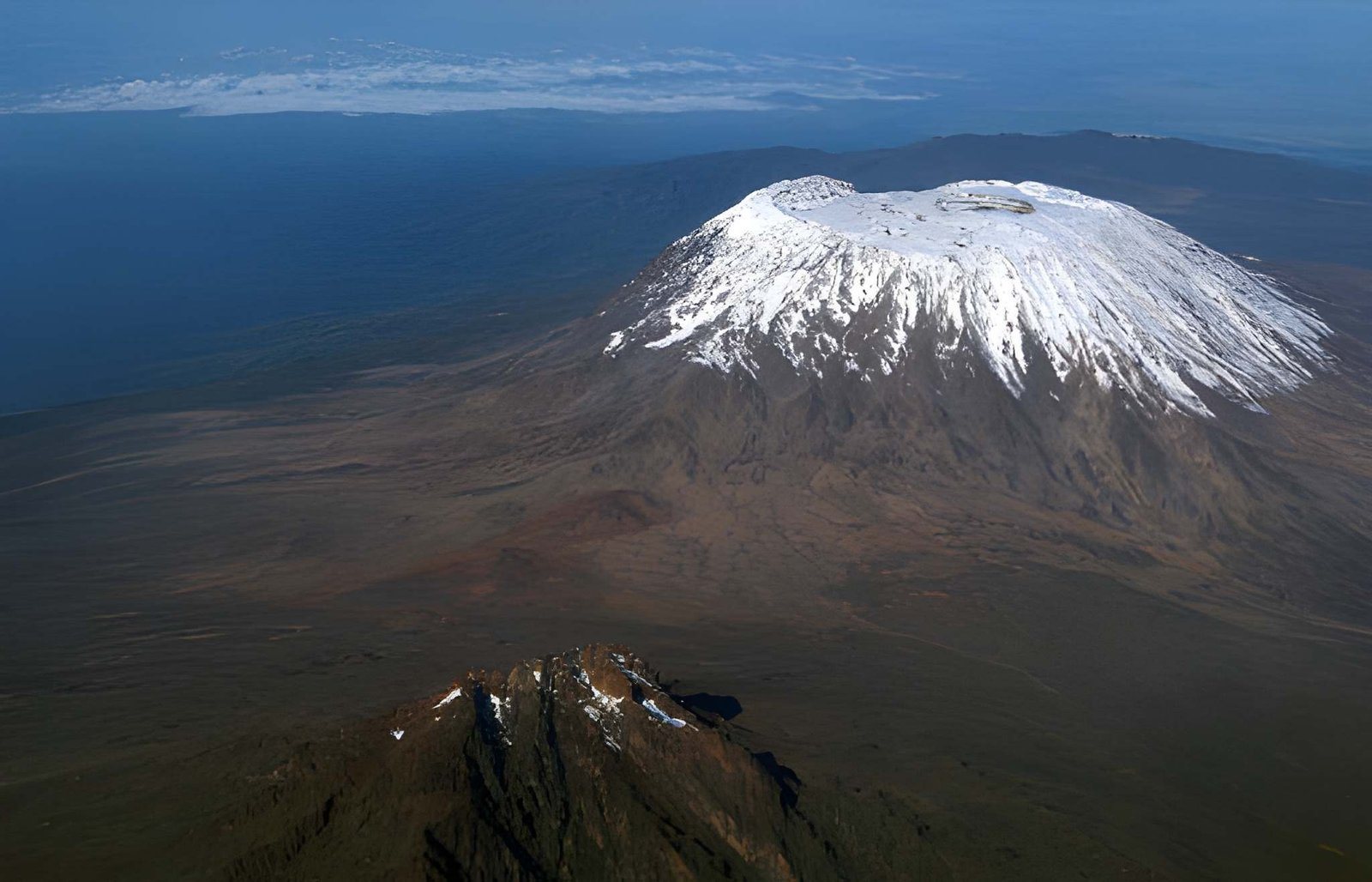
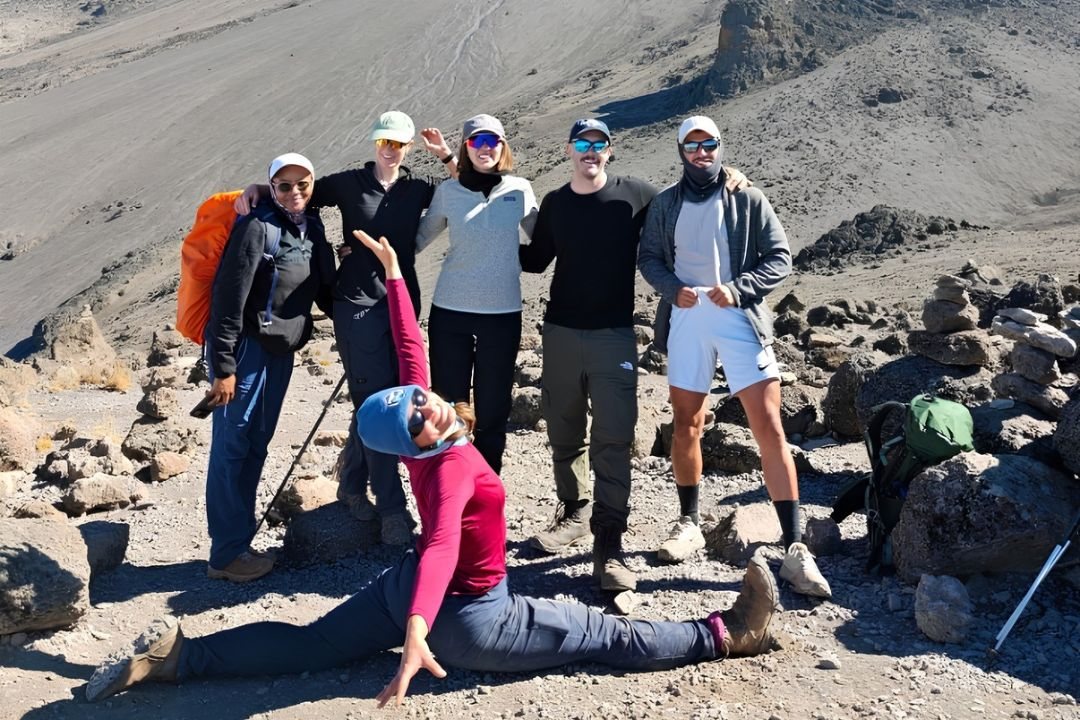
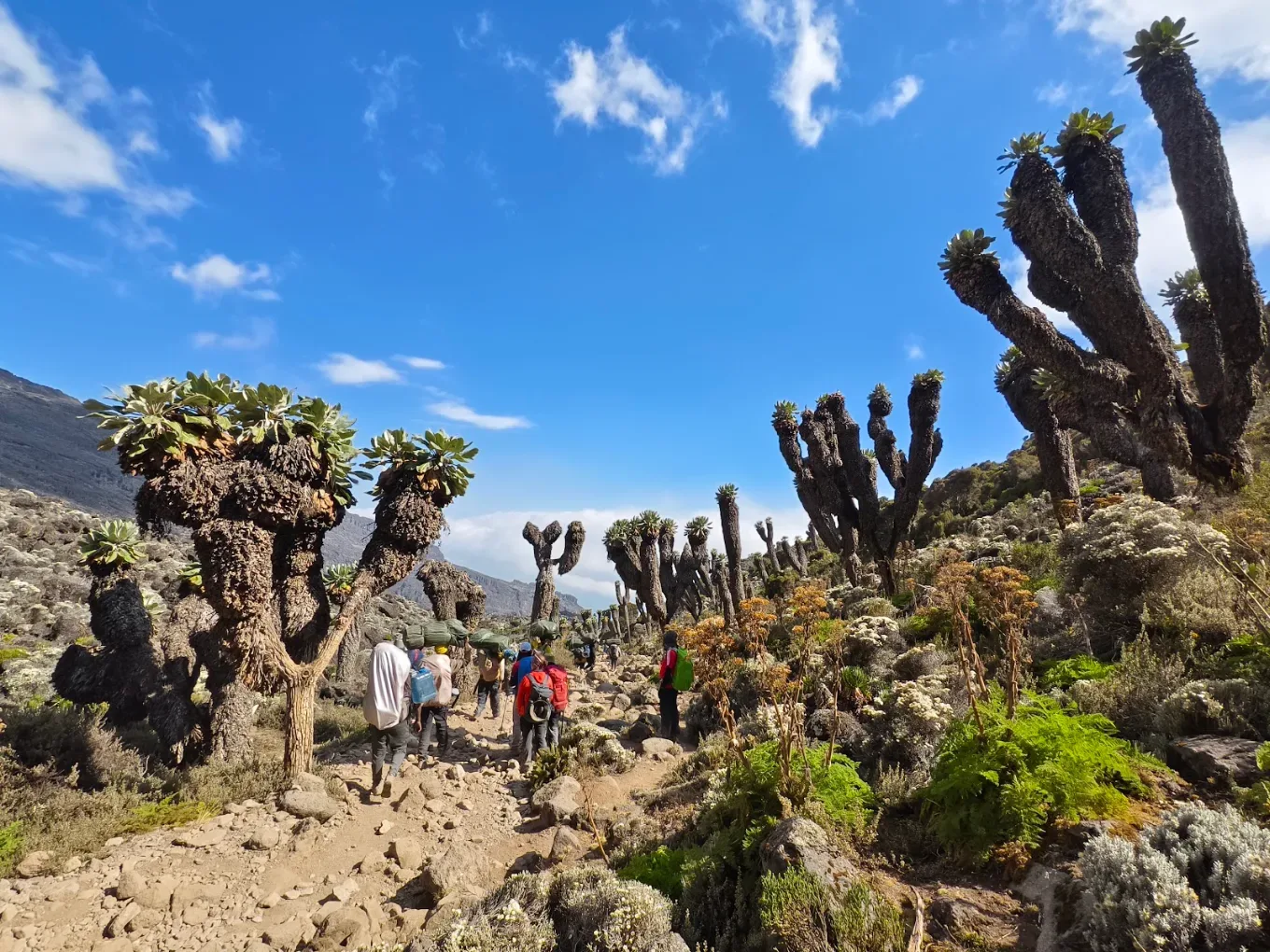
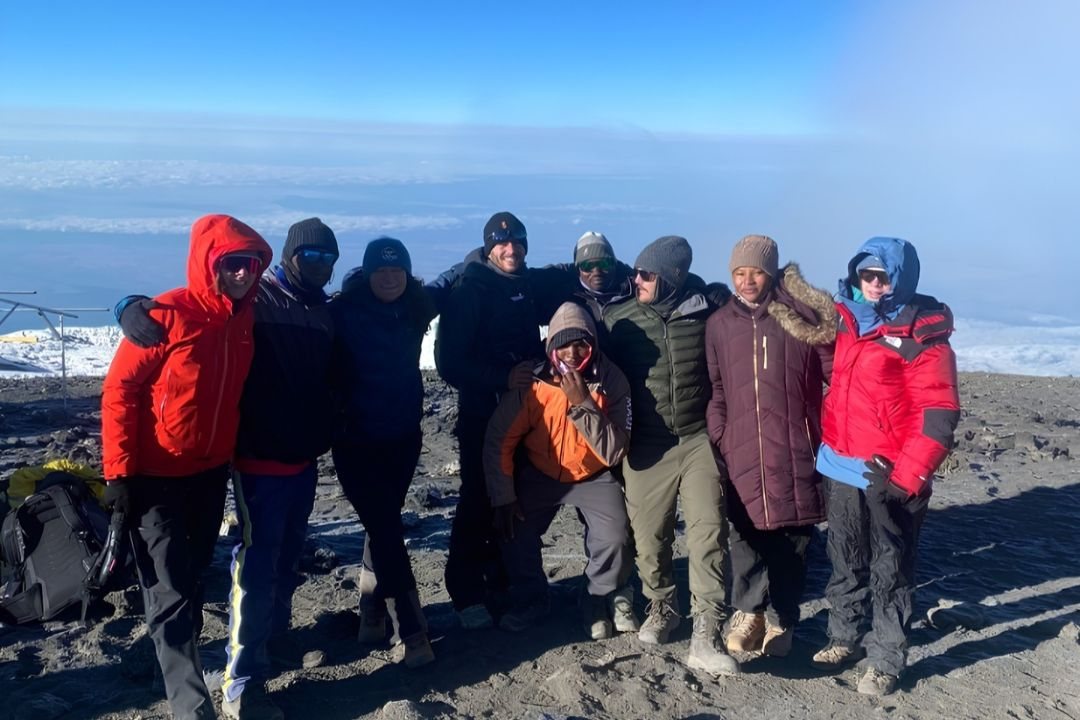
A midnight start by headlamp takes you up steep scree to Gillman’s Point (5,685 m) on the crater rim, usually reached around sunrise. It is very cold and the pace is slow; your guides stay close and watch for signs of altitude sickness.
From Gillman’s Point you walk along the crater rim past Stella Point to Uhuru Peak (5,895 m). After summit photographs you descend via Barafu Camp to Mweka Camp (about 3,100 m), where the thicker air makes sleep easier. It is the longest day of the climb.
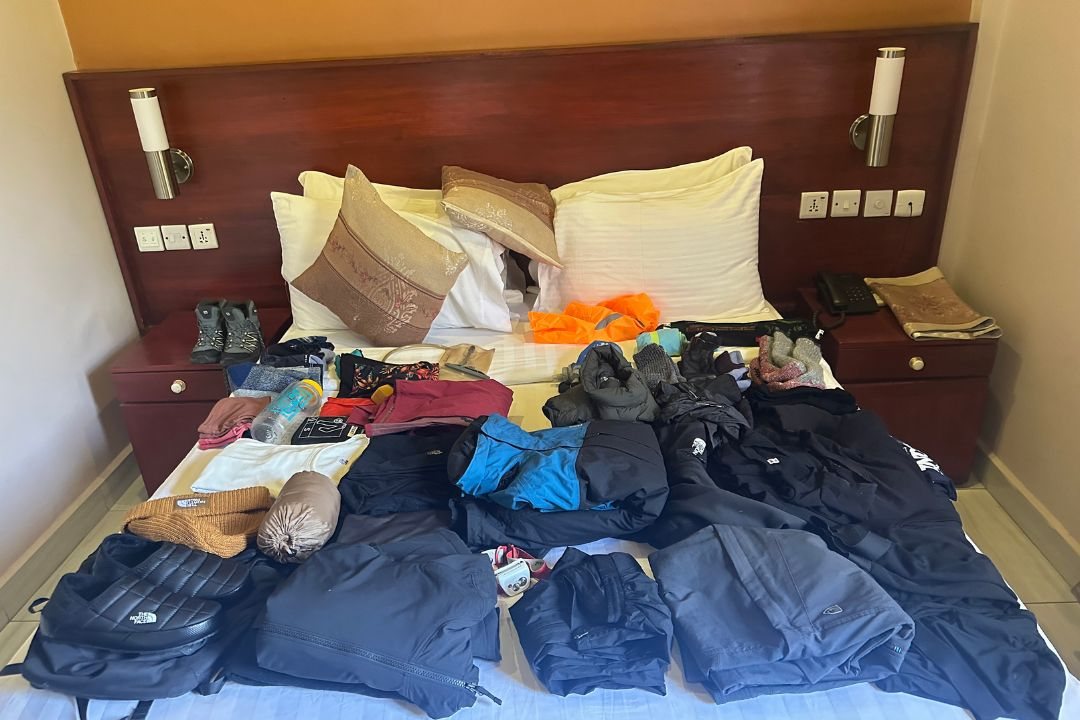
Summit night is the hardest part of any Kilimanjaro climb, and the way you approach it matters. Wear all your warm layers, keep your water bottle inside your jacket so it does not freeze, and eat small snacks regularly even if you do not feel hungry. Your guides set a very slow, steady rhythm and will turn a climber around if symptoms of altitude sickness become serious — your safety always comes before the summit.