Emerson Spice
A restored merchant’s house with richly decorated rooms and a well-known rooftop restaurant, in the heart of the old town.
- Style: historic boutique
- Ideal for: couples, culture lovers
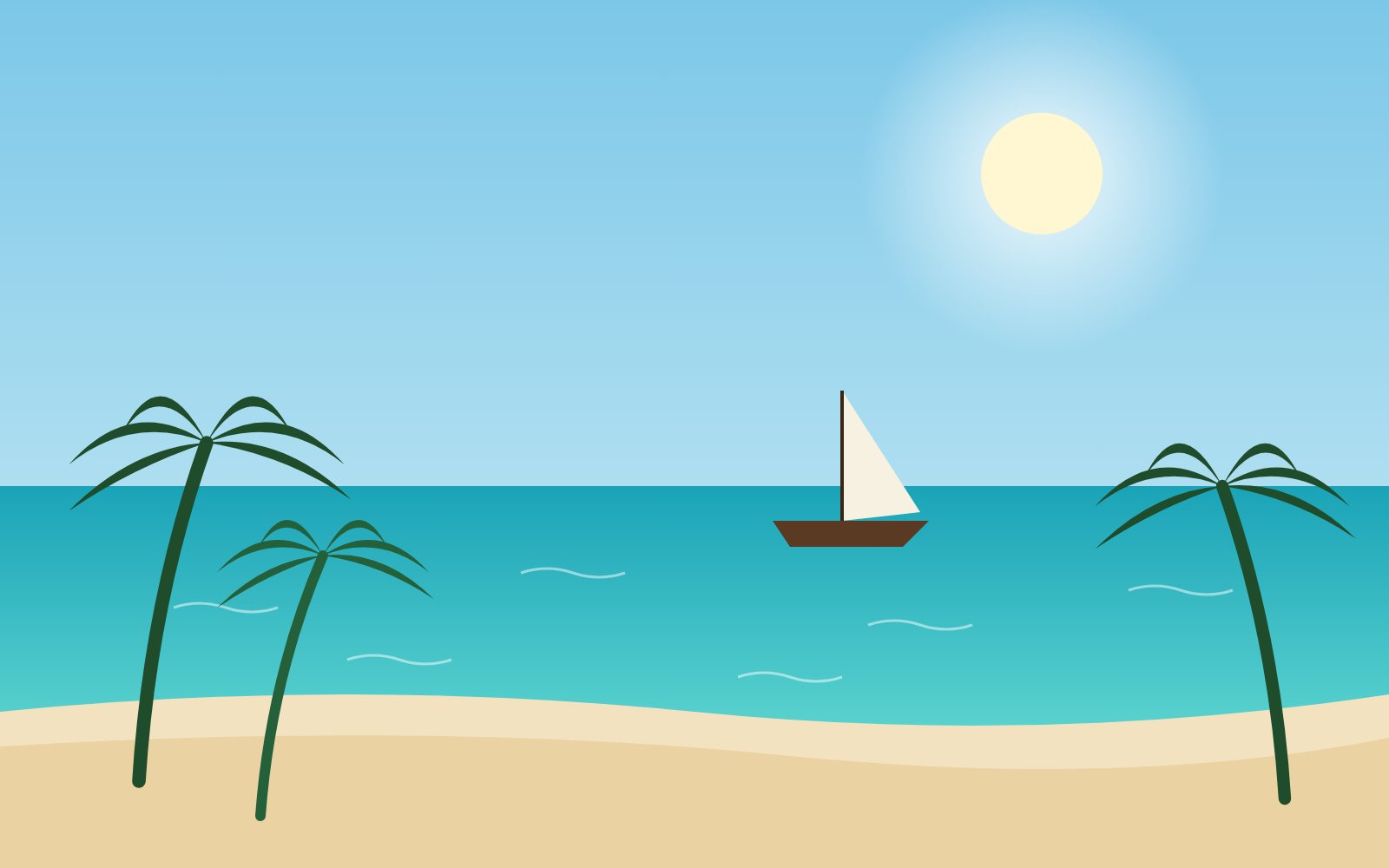
Powder-white beaches, warm turquoise water and Stone Town’s centuries of Swahili history, a short flight from Tanzania’s safari parks. Here is how to choose your coast, what to do, when to go and where to stay.
An archipelago in the Indian Ocean, about 35 km off mainland Tanzania.
Unguja (usually called Zanzibar) and Pemba, plus many small islets.
Stone Town, beaches, spice farms, Jozani Forest and coral reefs.
June–October and December–February; long rains March–May.
Three to five nights; a week with excursions.
Snorkelling, diving, dhow cruises, kitesurfing and history walks.
Flights from Arusha and Kilimanjaro, or a fast ferry from Dar es Salaam.
Swahili and mainly Muslim; dress modestly away from the beach.
Zanzibar is two islands in one. There is the Zanzibar of postcards: long white beaches, palm trees bending over a turquoise lagoon and coral reefs just offshore. And there is the Zanzibar of history: a trading hub where, for centuries, monsoon winds carried dhows between East Africa, Arabia, Persia and India, leaving a culture, cuisine and architecture found nowhere else.
That history is clearest in Stone Town, the old quarter of Zanzibar City and a UNESCO World Heritage Site since 2000. Its narrow lanes, carved wooden doors, mosques, churches and markets reflect the island’s Swahili, Omani, Indian and European past, including the painful history of the East African slave trade, which is remembered at the former slave market site.
Most visitors come to rest after a safari or a Kilimanjaro climb, and Zanzibar does that beautifully. But it rewards curiosity too: a morning in Stone Town, an afternoon on a spice farm, a day snorkelling on a reef or walking among red colobus monkeys in Jozani Forest turns a beach break into a real journey.
Lively sunset beaches in the north, long quiet stretches in the east and secluded coves in the south. The tides differ by coast, so choosing the right one makes a real difference to your stay.
Stone Town is not a museum but a living neighbourhood, where history sits beside daily life: markets, mosques, coffee sellers and the evening food stalls of Forodhani Gardens.
Clove, nutmeg, cinnamon and vanilla grow on the island’s farms. Swahili cooking blends these spices with seafood, coconut and influences from across the Indian Ocean.
Coral reefs around Mnemba Atoll and Menai Bay offer colourful snorkelling and diving, with turtles, reef fish and, at times, dolphins. Choose operators that respect the wildlife.
A short flight connects the safari parks and Kilimanjaro with Zanzibar, so a week in the bush can end with warm water, slow mornings and fresh seafood.
Boutique hotels and private villas suit couples, while calm north-coast beaches and gentle excursions make Zanzibar easy with children.
Unguja is about 85 km long, and each coast has its own character — mostly because of the tides.
The old heart of Zanzibar City, on the west coast. Spend one or two nights here at the start or end of your stay to explore the lanes on foot with a local guide.
The northern tip of the island has the smallest tidal range, so you can swim for most of the day. Nungwi is lively, with restaurants, dhow builders and boat trips; neighbouring Kendwa is a little calmer, with wide sand and famous sunsets.
Long white beaches backed by fishing villages, facing the reef and Mnemba Atoll. The tide goes out a long way, revealing rock pools and seagrass, so swimming is best around high tide. Resorts here range from intimate lodges to larger hotels.
Wide, bright beaches with a laid-back feel. Paje is one of East Africa’s best-known kitesurfing spots, thanks to its shallow lagoon and steady winds. At low tide you can see the seaweed farms, mostly tended by local women. Jambiani and Bwejuu are quieter still.
The southern coast around Kizimkazi borders the Menai Bay Conservation Area, with sandbanks, mangroves and islets. It is the base for dhow day trips to the sandbanks and for dolphin trips — choose an operator that keeps its distance and does not chase the animals.
North of Unguja, Pemba is hillier, greener and far less visited, with some of the region’s best diving on its western reefs and walls. Accommodation is limited and it takes extra travel time, so it suits divers and travellers who want somewhere truly quiet.
Most excursions are half or full days and can be arranged from any coast.
Markets, carved doors, the slave market memorial and the waterfront with a local guide.
See, smell and taste clove, nutmeg, cinnamon, vanilla and tropical fruit on a working farm.
Walk among Zanzibar red colobus monkeys, found only on the island, and visit the mangrove boardwalk.
Reef trips to Mnemba Atoll and beyond, for beginners and certified divers.
A traditional sailing boat, the setting sun and the coast drifting by.
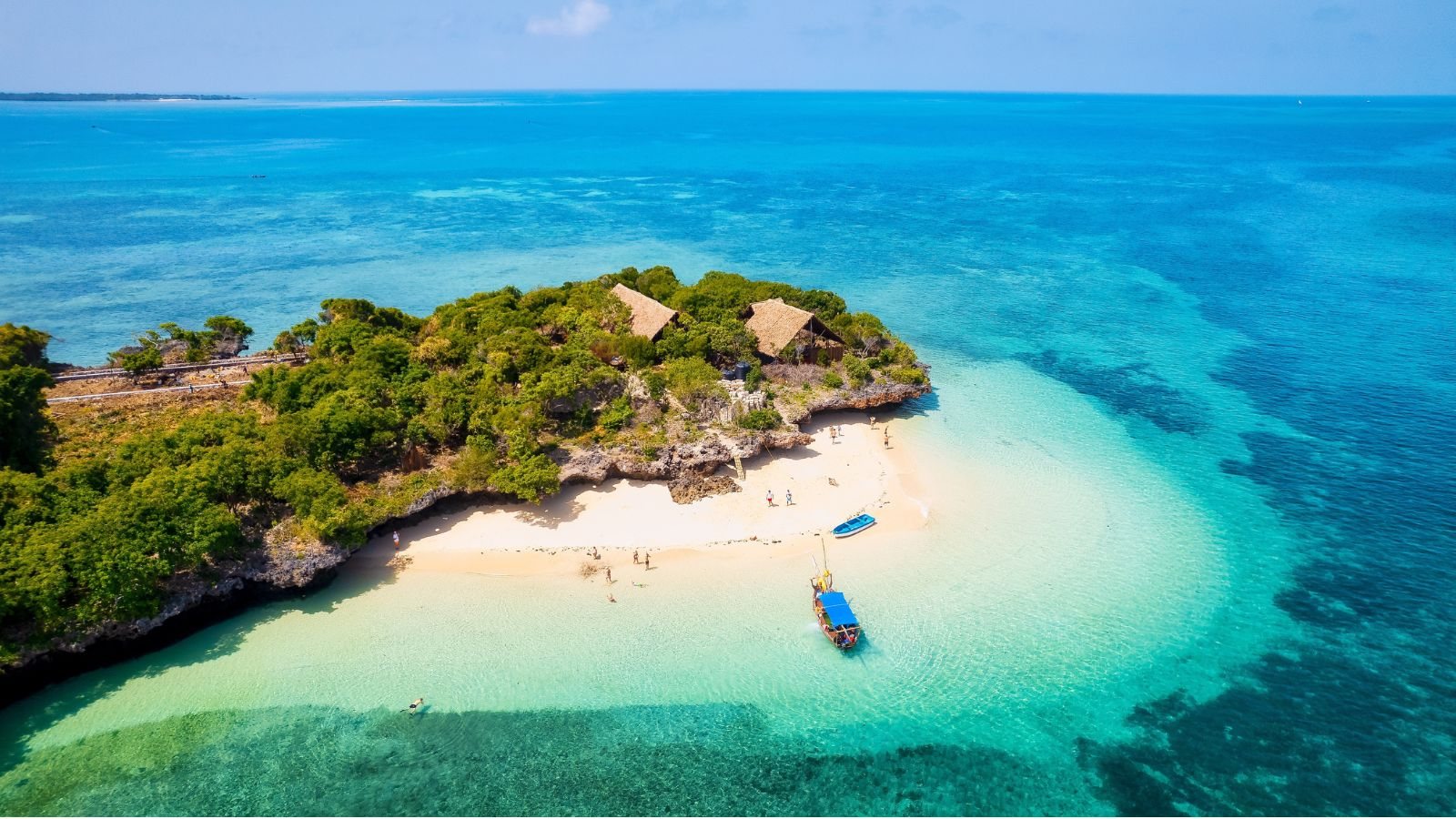
A full day by dhow to sandbanks and islets, with swimming and a seafood lunch.
Lessons and rentals on the shallow lagoon at Paje, in the windy seasons.
A short boat ride from Stone Town to see giant tortoises and snorkel nearby.
Zanzibar is warm all year, with sea temperatures that rarely feel cold. Rain is the main difference between seasons.
| Month | Weather | Good to know |
|---|---|---|
| January | Hot and mostly dry | Excellent beach weather; busy around New Year |
| February | Hot, humid and mostly dry | Good diving visibility; a great safari-and-beach month |
| March | Humid; rains usually start late in the month | Quieter, with lower rates |
| April | The wettest month, with heavy downpours | Several hotels close; the sea can be rough |
| May | Long rains continue, easing late in the month | Very quiet; some hotels still closed |
| June | Dry, breezy and pleasantly warm | Start of the main season; kitesurfing winds pick up |
| July | Dry, sunny and slightly cooler | Peak season; book early |
| August | Dry, sunny and breezy | Peak season, often combined with migration safaris |
| September | Dry and warm | Excellent conditions, slightly quieter |
| October | Warm, mostly dry | Good value before the short rains |
| November | Short rains, usually brief showers | Quiet and good value |
| December | Hot, mostly dry after mid-month | Christmas and New Year are very busy |
During Ramadan (dates change each year), Stone Town is quieter by day and festive after sunset. Hotels and many restaurants serve visitors as usual.
Choose your coast first, then your hotel. These are well-known examples; availability changes, and we confirm options for your dates.
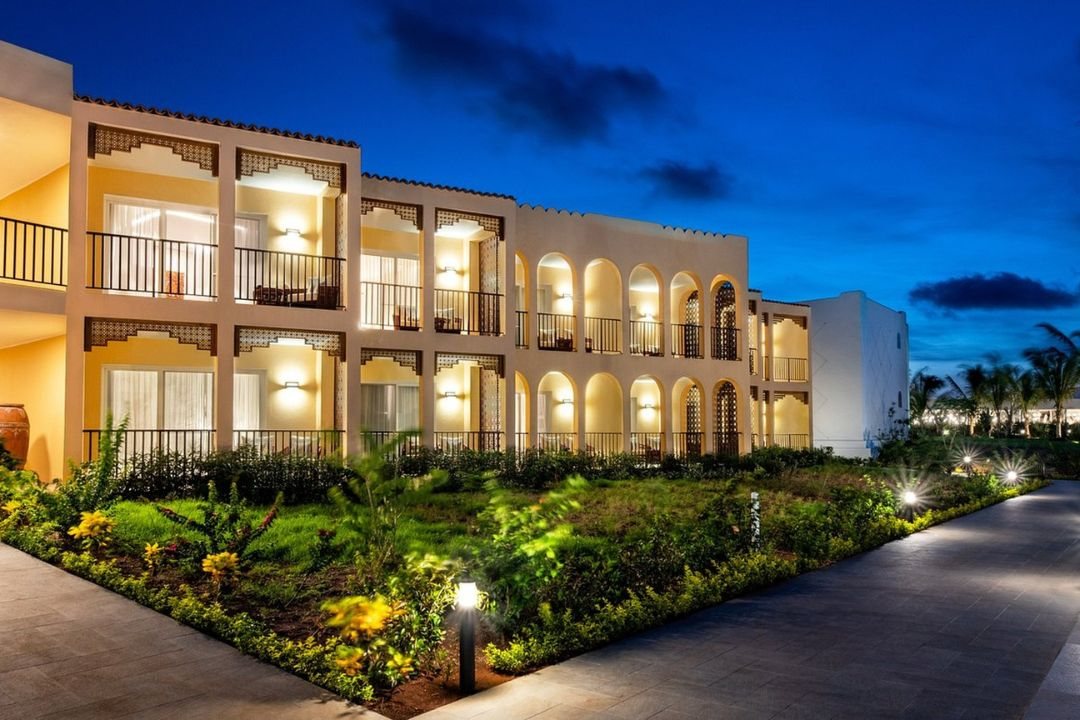
A restored merchant’s house with richly decorated rooms and a well-known rooftop restaurant, in the heart of the old town.
A long-established seafront hotel in two historic buildings, with a pool and easy walking access to the old town.
Contemporary rooms in a historic waterfront setting beside Forodhani Gardens, with a pool and spa.
A design-led resort with bungalows and villas on Kendwa’s swimmable beach, set in tropical gardens.
Intimate bungalows on a coral ridge facing Mnemba Atoll, close to some of the island’s best snorkelling and diving.
A large beachfront resort with several pools, restaurants and family facilities on the north-east coast.
All-suite villas with private plunge pools on the quiet east coast, inspired by Swahili and Omani design.
Spacious private-pool villas in large gardens on the south-west coast, near Menai Bay.
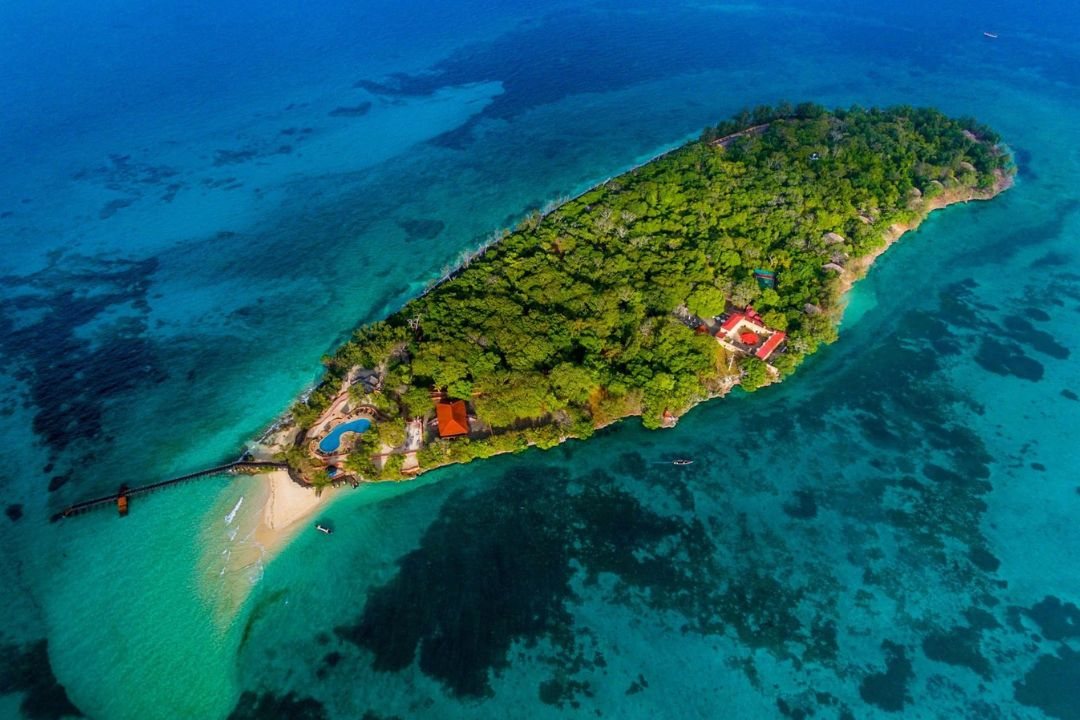
A small, exclusive lodge on a private island inside the Mnemba marine area, with beach bandas and excellent snorkelling.
Beach escapes and island holidays, on their own or after your safari. Every package can be adjusted.
A short beach break on Zanzibar: two nights at a beach resort, with a free day to swim, r…
History and beach in four days: a night in Stone Town, a guided town and spice tour, then…
Five days on Zanzibar: a sandbank and snorkelling day at sea, a Stone Town and spice tour…
A week of luxury on Zanzibar: a premium beach resort on half board, a private Stone Town…
Flight times are approximate and routes may include stops.
Fly from Arusha or the Serengeti after your safari and spend three or four nights on a north-coast beach.
Two nights in Stone Town for history and food, then three or four on a quieter east- or north-east-coast beach.
Combine Stone Town, a beach base and excursions such as Jozani Forest, Mnemba and Menai Bay, or add Pemba for diving.
Zanzibar’s main gateway is Abeid Amani Karume International Airport (ZNZ), just outside Zanzibar City, with international flights and domestic connections.
Scheduled domestic flights connect Arusha Airport (ARK) and Kilimanjaro International Airport (JRO) with Zanzibar, typically in about one to one and a half hours, and some light-aircraft services connect from Serengeti airstrips, usually with stops. Baggage limits on smaller aircraft are strict, so pack in soft bags.
Fast ferries run between Dar es Salaam and Stone Town, taking about two hours, and short flights take around 20 minutes.
Transfers from the airport take roughly 15 minutes to Stone Town and about an hour to the north and east coasts. We arrange private transfers with every Zanzibar stay.
Zanzibar is part of Tanzania, so the same visa rules apply. Zanzibar also requires visitors to hold travel insurance. Requirements change, so check official sources before you travel, and read our visa and entry guide.
Zanzibar is mainly Muslim. Swimwear is fine on hotel beaches, but cover shoulders and knees in Stone Town and villages. Ask before photographing people, and be discreet with alcohol away from hotels and restaurants.
On the east and north-east coasts the sea can retreat several hundred metres at low tide. Check tide times for swimming, and wear water shoes on reef flats to avoid sea urchins.
Malaria is present, so speak to a travel clinic about prevention, and use repellent in the evenings. The sun is strong all year: use reef-safe sunscreen, a hat and plenty of water.
The Tanzanian shilling is the local currency, and US dollars are widely accepted at hotels. Cards are accepted at larger hotels; carry cash for markets, taxis and small restaurants.
Zanzibar’s culture is Swahili: a blend of African, Arab, Persian and Indian influences that shapes its language, food, music and architecture. Daily life in the villages still revolves around fishing, farming and seaweed cultivation, much of it carried out by women.
The island’s natural treasures need care. Jozani-Chwaka Bay National Park protects the Zanzibar red colobus and important mangroves, while marine areas such as Mnemba and Menai Bay protect reefs that local fishing communities depend on.
You can help by choosing responsible excursion operators, never buying shells or coral, avoiding single-use plastic, respecting local dress customs, and spending money in locally owned restaurants and shops.
Still have a question? Ask our team or message us on WhatsApp.
It depends on what you want. Nungwi and Kendwa in the north are best for swimming at any tide and for sunsets. Matemwe and Kiwengwa in the north-east are quieter and close to Mnemba’s reefs. Paje and Jambiani in the east are relaxed and popular for kitesurfing. Tell us your style and we will suggest the right coast.
Three to five nights suits most travellers: one or two in Stone Town and the rest on the beach. A week leaves time for excursions such as a spice tour, Jozani Forest, a snorkelling trip and a sunset dhow cruise.
Zanzibar is a popular and generally safe destination. Take the usual precautions: keep valuables out of sight, use hotel safes, take licensed taxis at night and avoid isolated beaches after dark. Check your government’s current travel advice before you go.
Zanzibar is part of Tanzania, so the Tanzanian visa rules apply, and Zanzibar also requires visitors to have travel insurance. Requirements change, so check the current rules on official government sites before you travel.
Yes, it is the most popular combination in Tanzania. Domestic flights connect Arusha, Kilimanjaro and some Serengeti airstrips with Zanzibar, so you can fly straight from the bush to the beach. A typical trip is five to seven days on safari and three to five nights on Zanzibar.
The long rains from March to May bring heavy downpours, particularly in April, and some hotels close. The short rains in November usually mean brief showers between sunny spells. It stays warm all year.
Yes. Calm north-coast beaches, family rooms and gentle excursions such as Jozani Forest, Prison Island and spice farms suit children well. Choose a hotel with a pool for low-tide hours.
Light, loose clothing that covers shoulders and knees is respectful in Stone Town and villages. Comfortable sandals are fine. Keep swimwear for the beach and hotel pool.
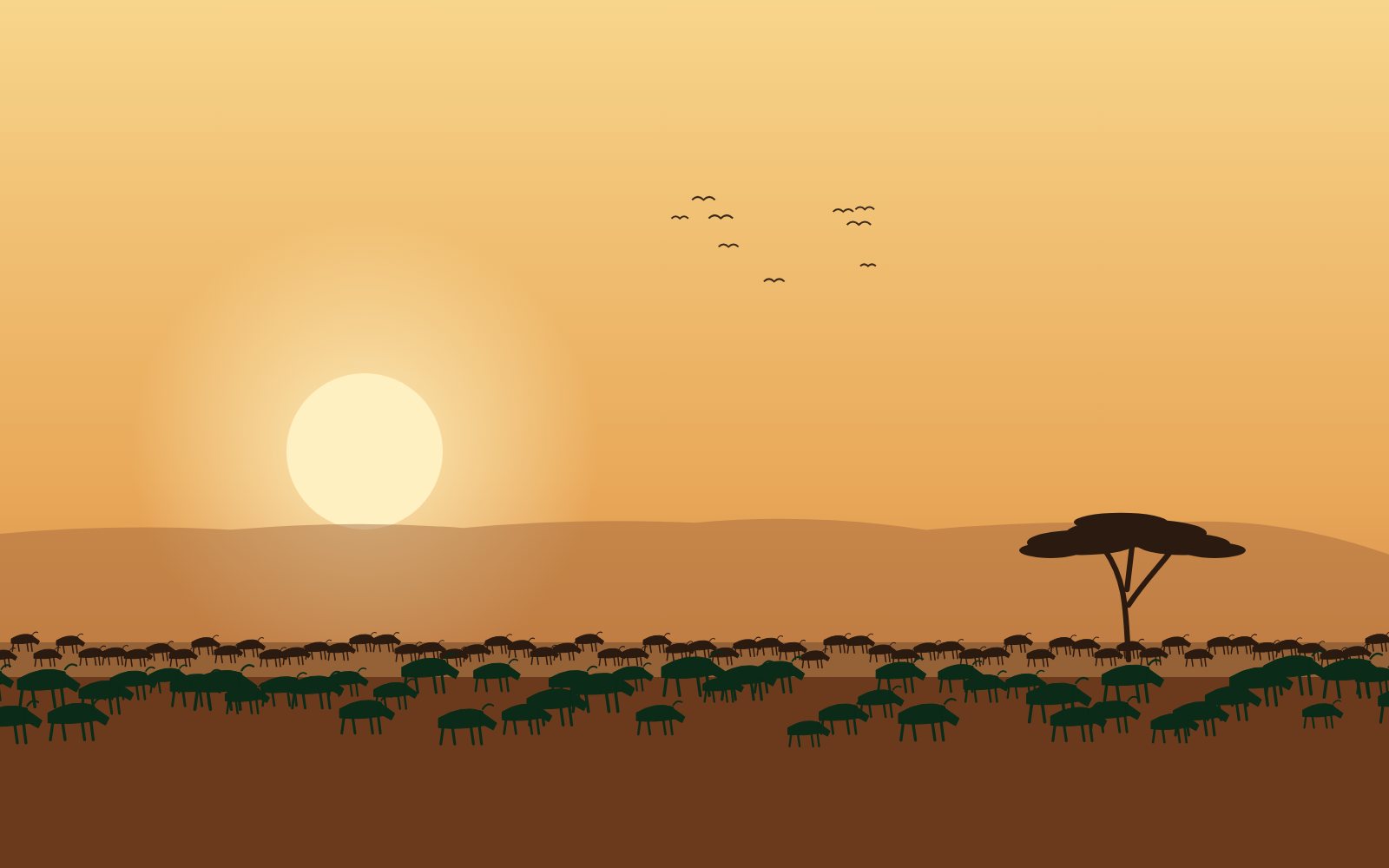 Fly from the bush to the beachSerengeti National ParkThe Great Migration and big cats on endless plains — the classic first half of a bush-and-beach trip.Explore the Serengeti
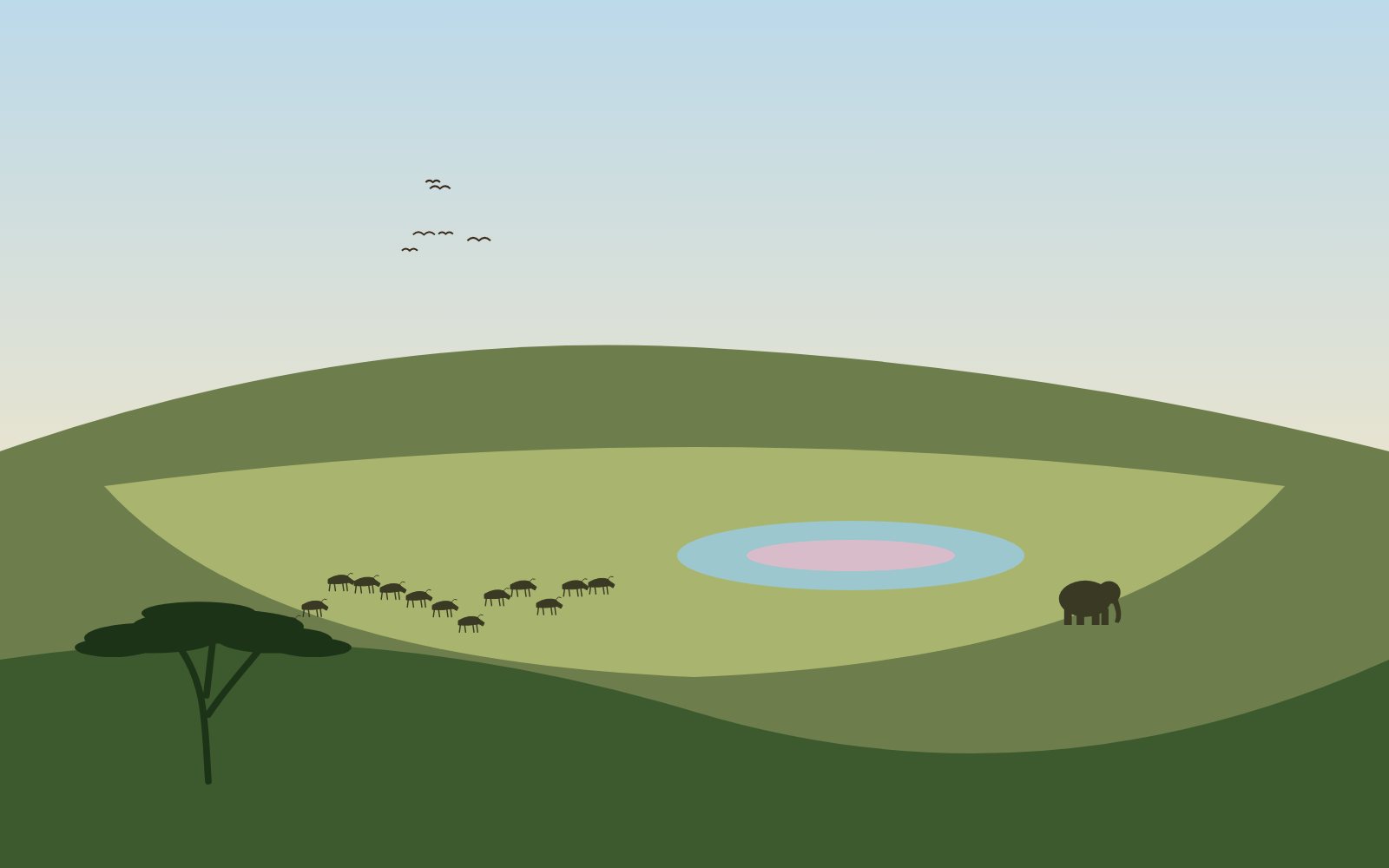 On every Northern Circuit safariNgorongoro CraterA vast caldera full of wildlife, often paired with Tarangire and the Serengeti before flying to Zanzibar.Explore Ngorongoro
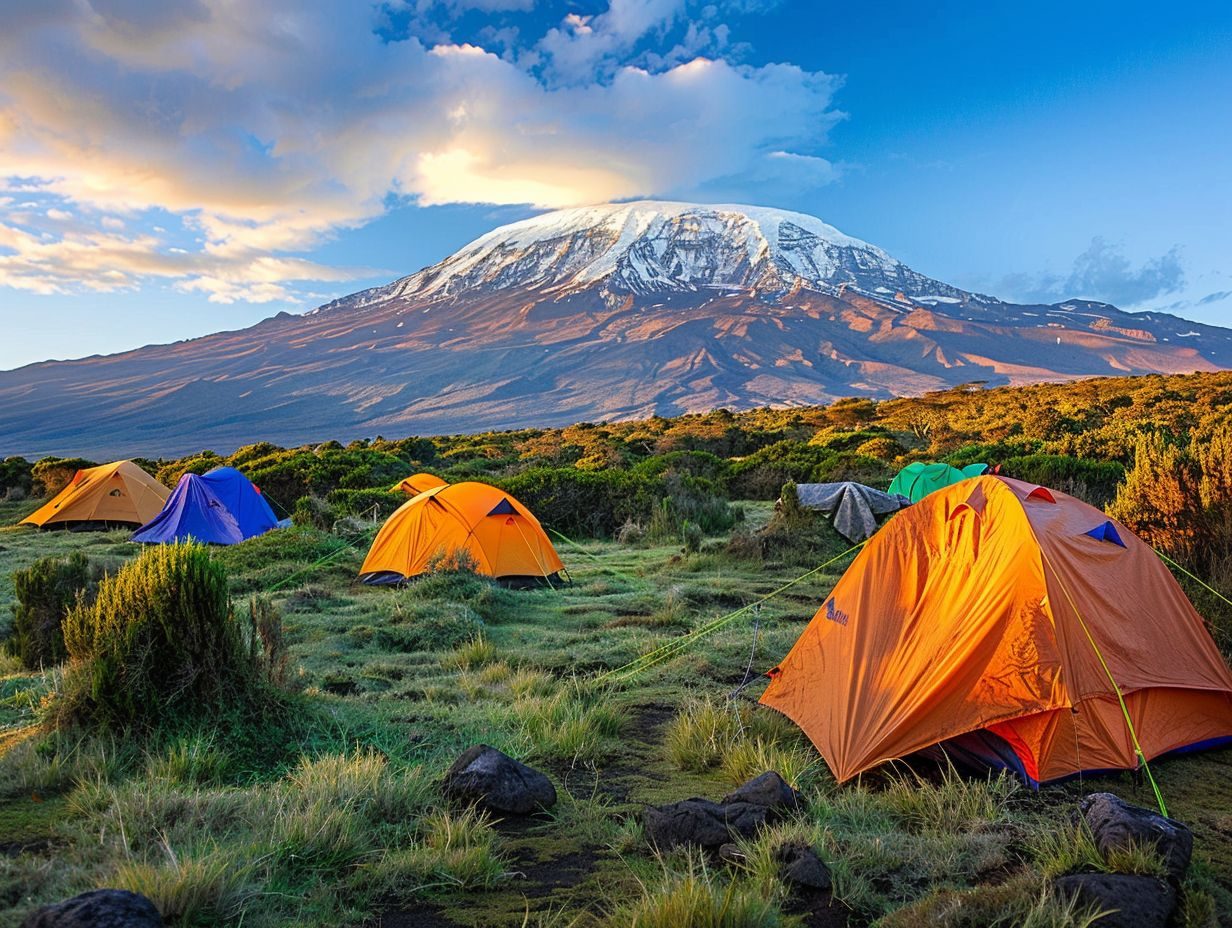 Climb, then restMount KilimanjaroAfter reaching the Roof of Africa, there is no better place to recover than a Zanzibar beach.Kilimanjaro climbs
Tell us when you would like to travel, who is coming and whether you are combining Zanzibar with a safari or a climb. We will suggest the right coast, hotels and excursions, with a clear, itemised quote.
Tell us your dates, group and travel style — a local expert will reply with ideas and a clear quote.