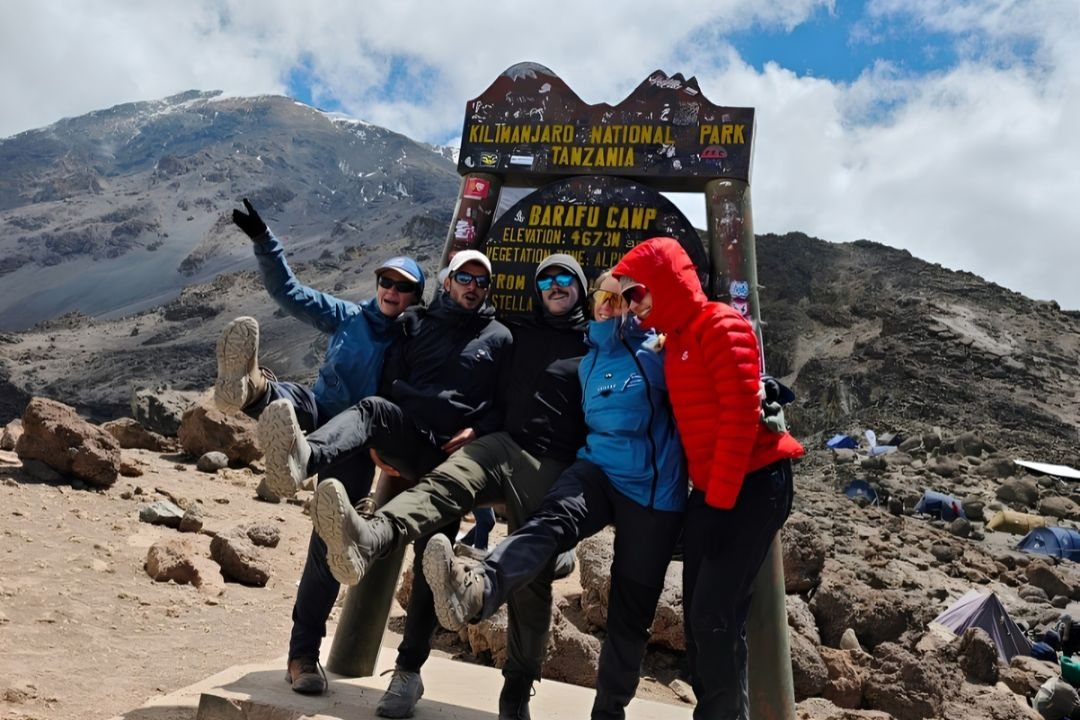
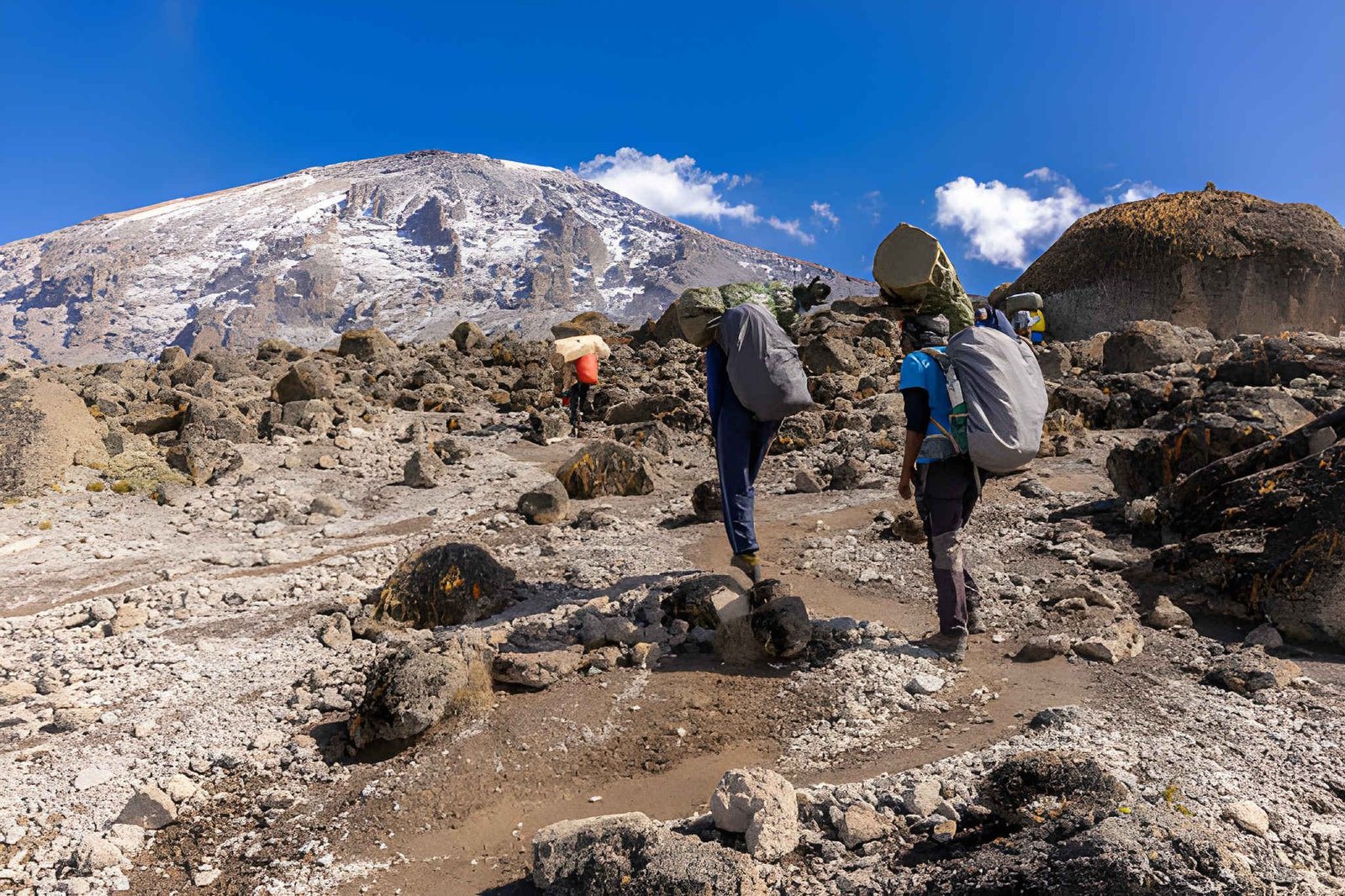
5-Day Marangu Route

5-Day Marangu Route

The fastest hut route up Kilimanjaro: 5 days on the classic Marangu “Coca-Cola” route, sleeping in mountain huts, for fit climbers short on time.

5 days5,895 mMarangu GatePrivate or small groupPrice on request
About this climb

5-Day Marangu Route at a glance

The 5-Day Marangu Route is the shortest way to climb Kilimanjaro and the only route where you sleep in mountain huts rather than tents. It approaches from the south-east via Marangu Gate, through rainforest and moorland, across the Saddle to Kibo Hut, and returns on the same path. The trail is wide and the gradient gentle, which is why it has been popular for decades.

The trade-off is acclimatisation. With only four nights on the mountain, your body has little time to adjust to altitude, and summit success rates are lower than on longer routes. We recommend the 5-day version only for climbers who have recently been at altitude or are short on time, and we usually suggest the 6-day Marangu with an extra night at Horombo.

Huts provide bunk beds with mattresses, shared dining halls and basic toilets, which some climbers prefer in the rainy season. Your crew includes a professional mountain guide, assistant guides, a cook and porters, and our guides monitor your health twice daily.

Price on requestTailored quote for your dates
Why you’ll love it

Trip highlights

  • The only Kilimanjaro route with mountain huts
  • Rainforest with colobus monkeys on day 1
  • Views of Mawenzi and Kibo across the moorland
  • Crossing the high-altitude desert of the Saddle
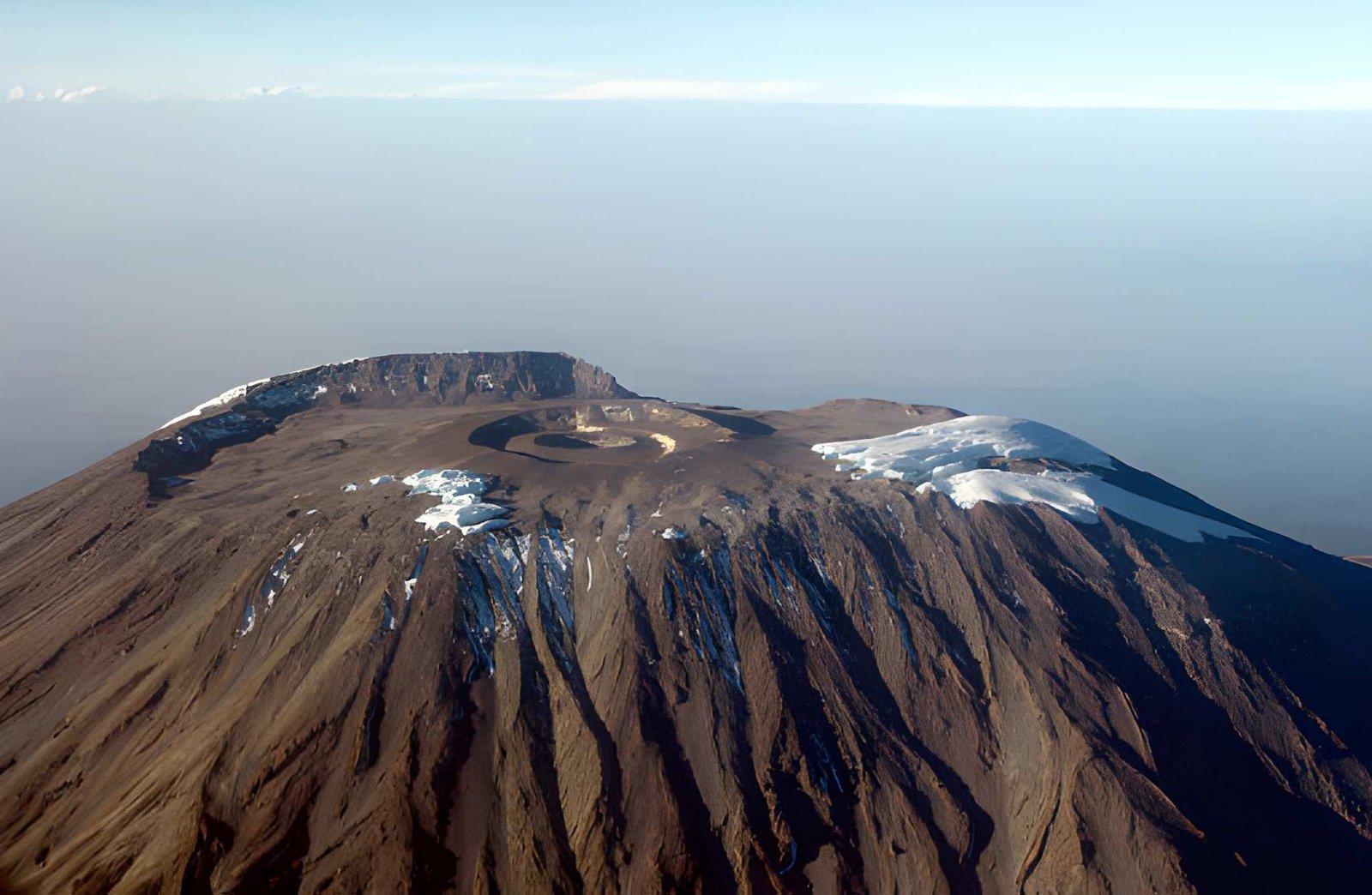
  • Sunrise at Gillman’s Point and Uhuru Peak (5,895 m)
  • The shortest Kilimanjaro itinerary
5 days, step by step

Day-by-day itinerary

1,000 m2,000 m3,000 m4,000 m5,000 m6,000 m7,000 mDay 1: Mandara Hut — 2,720 mDay 2: Horombo Hut — 3,720 mDay 3: Kibo Hut — 4,703 mDay 4: Horombo Hut — 5,895 m5,895 mDay 5: Horombo Hut – Marangu Gate — 1,860 mDay 1Day 2Day 3Day 4Day 5
Altitude profile — sleeping altitude each night (summit day shows the peak).
  1. 1
    Day 1 Marangu Gate – Mandara Hut 2,720 mMandara Hut

    After breakfast at your hotel in Moshi or Arusha, your guide briefs you and checks your equipment before the drive to Marangu Gate (1,860 m) on the south-eastern slopes of the mountain. The drive takes about one hour from Moshi or two hours from Arusha. At the gate you register with the park, porters weigh and load the bags, and a packed or hot lunch is served before you start walking.

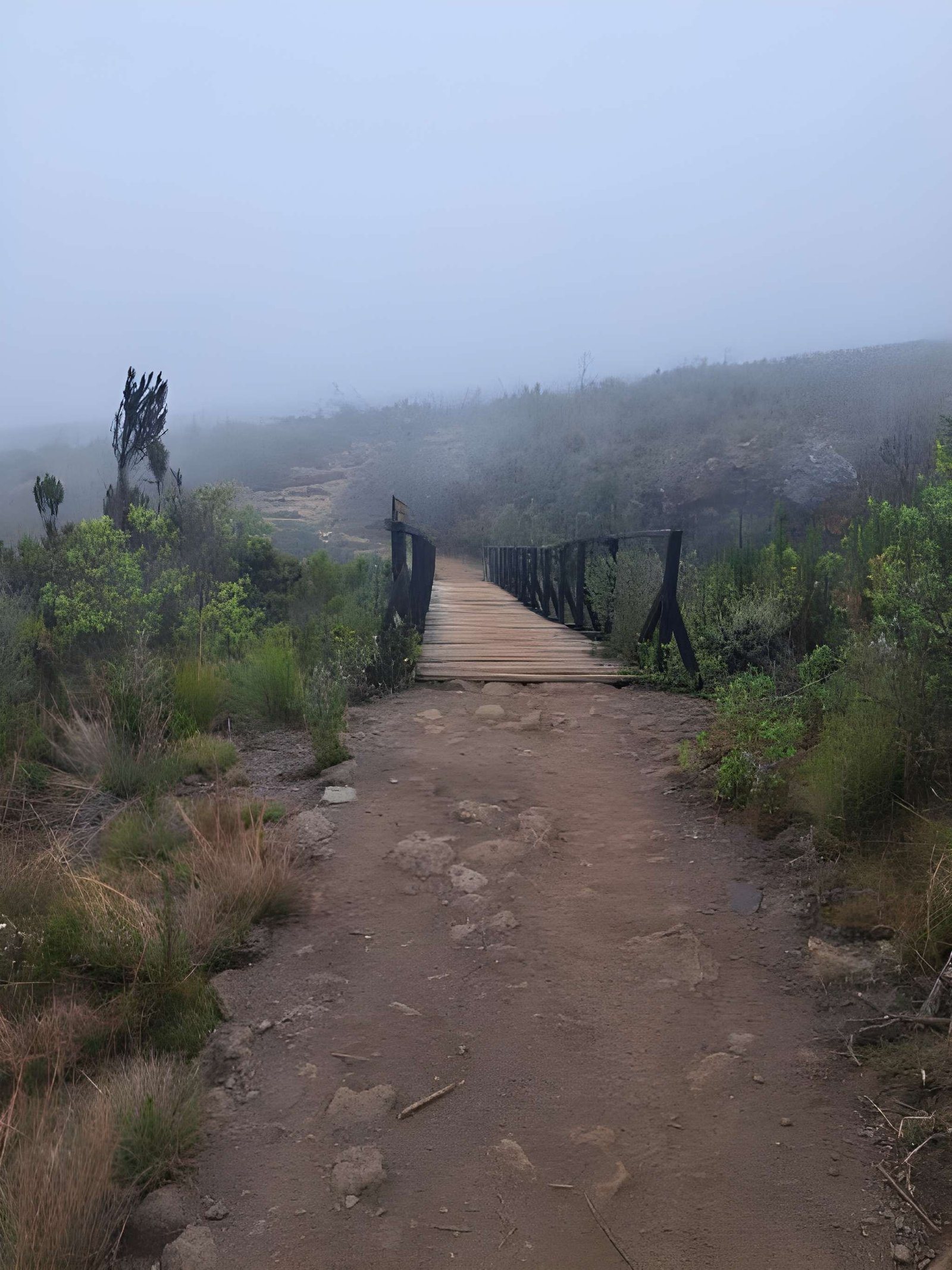
    The trail climbs gently through thick montane rainforest of giant ferns, mosses and camphor trees, where black-and-white colobus and blue monkeys are often seen and the air is humid and cool. The path is wide and well maintained, and the pace is deliberately slow — “pole pole” — to help your body begin to adjust. You arrive at Mandara Hut (2,720 m), a cluster of wooden A-frame huts with bunk beds and mattresses, in the late afternoon. Dinner is served in the dining hut, and if there is time you can walk ten minutes to the rim of Maundi Crater.

    • DistanceAbout 8 km · +860 m
    • Hiking timeAbout 3–4 h walking
    • MealsBreakfast, lunch, dinner
    • OvernightMandara Hut
  2. 2
    Day 2 Mandara Hut – Horombo Hut 3,720 mHorombo Hut

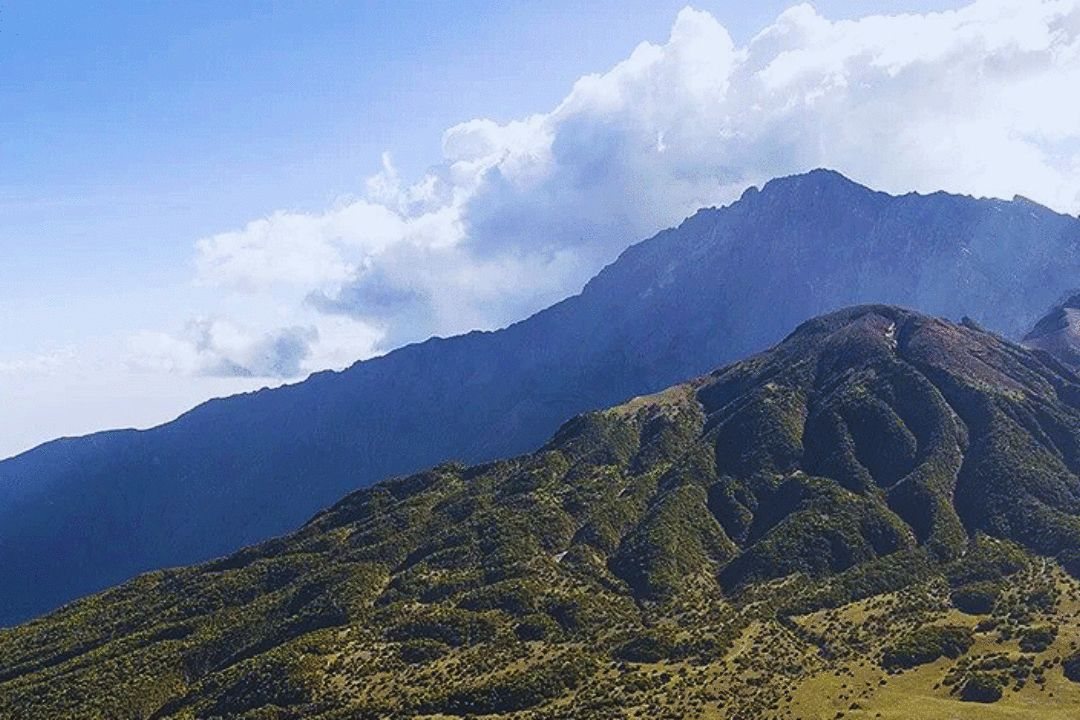
    Leaving Mandara, the trail passes the last of the rainforest and opens onto the heath and moorland zone, with giant heather, tussock grass and, further up, the strange giant groundsels and lobelias that grow only on East Africa’s high mountains. On clear mornings you get your first wide view of Kibo’s snow-capped summit ahead and the jagged peak of Mawenzi to the right. A short detour to Maundi Crater, if not done the day before, gives views over the plains and towards Kenya.

    The path climbs steadily rather than steeply, crossing small streams on the way. Lunch is taken on the trail. You reach Horombo Hut (3,720 m) in the afternoon, a larger hut camp perched on a ridge above the clouds, where climbers on the way up and down meet. The huts are shared dormitories with mattresses, and there are flush or long-drop toilets and a dining hall. Expect cooler nights at this altitude.

    • DistanceAbout 12 km · +1,000 m
    • Hiking timeAbout 5–7 h walking
    • MealsBreakfast, lunch, dinner
    • OvernightHorombo Hut
  3. 3
    Day 3 Horombo Hut – Kibo Hut 4,703 mKibo Hut

    From Horombo the trail climbs onto the Saddle, a broad high-altitude desert between Kibo and Mawenzi. There are two paths — the upper route via Zebra Rocks and the lower route past the Last Water Point — and your guide chooses based on conditions. Vegetation thins quickly until only lichens and a few hardy plants remain, and the landscape becomes a wide expanse of volcanic gravel and boulders under a huge sky. The walking is not steep, but the thin air makes it tiring, so a slow, steady pace is important.

    You arrive at Kibo Hut (4,703 m), a stone building at the foot of the summit cone, in the early afternoon. The hut has bunk rooms and basic toilets. After an early dinner your guide gives a full summit briefing, checks your clothing, headlamp and water bottles, and you go to bed early to rest for a few hours before the midnight start. Nights here are cold and many people sleep lightly; that is normal at this height.

    • DistanceAbout 10 km · +980 m
    • Hiking timeAbout 5–6 h walking
    • MealsBreakfast, lunch, dinner
    • OvernightKibo Hut
  4. 4
    Day 4 Summit: Uhuru Peak – Horombo Hut 5,895 mHorombo Hut

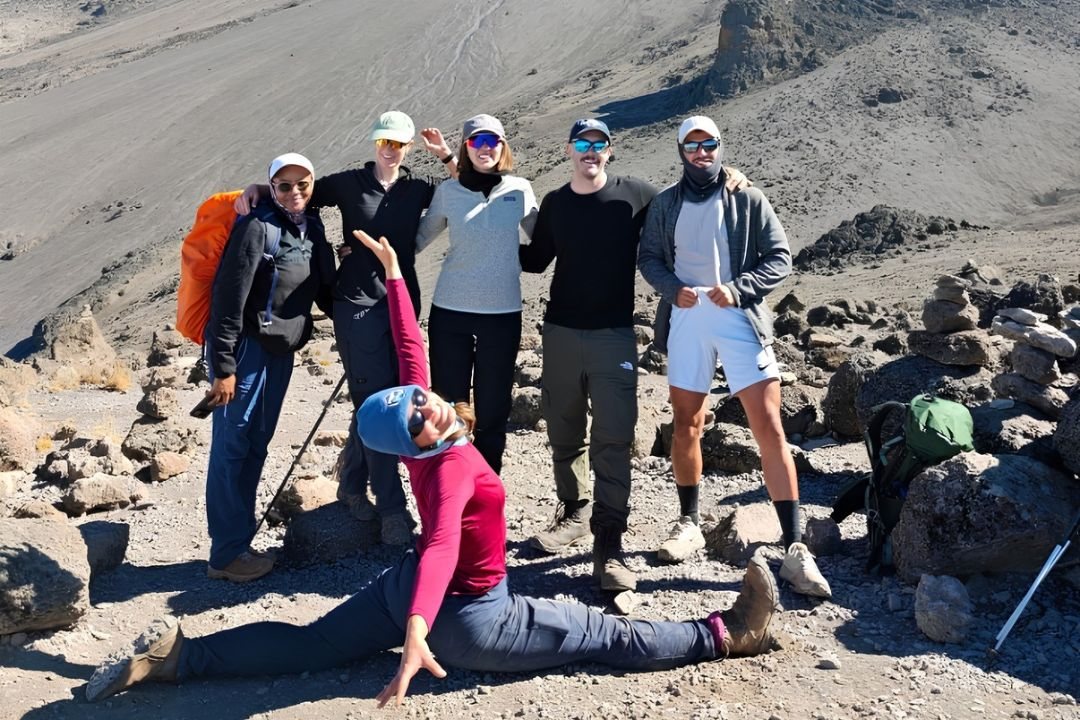
    You are woken around 11 pm for tea and biscuits, and start the summit climb by headlamp around midnight. The trail zigzags up steep scree past Hans Meyer Cave (around 5,150 m) to Gillman’s Point (5,685 m) on the crater rim, usually reached at dawn after about five to six hours. This is the most demanding section of the climb: it is cold, often below freezing, and progress is very slow. Your guides stay close, set the pace and watch for signs of altitude sickness.

    From Gillman’s Point it is a further one to two hours along the crater rim, past glaciers and ice cliffs, to Uhuru Peak (5,895 m), the highest point in Africa, where you take your summit photographs. You then descend the same way to Kibo Hut for a short rest and a hot drink, before continuing down across the Saddle to Horombo Hut (3,720 m) for dinner and a well-earned sleep. This is a very long day, and walking poles help a lot on the descent.

    • DistanceAbout 6 km up · 16 km down
    • Hiking timeAbout 11–15 h walking
    • MealsBreakfast, lunch, dinner
    • OvernightHorombo Hut
  5. 5
    Day 5 Horombo Hut – Marangu Gate 1,860 m

    After breakfast and a short farewell ceremony with your crew, where many climbers share songs and handle tipping, you descend from Horombo through the moorland and back into the rainforest. The path is the same as on the way up, but it feels very different with thicker air and tired legs. You pass Mandara Hut, where lunch may be served, and continue down through the forest to Marangu Gate (1,860 m).

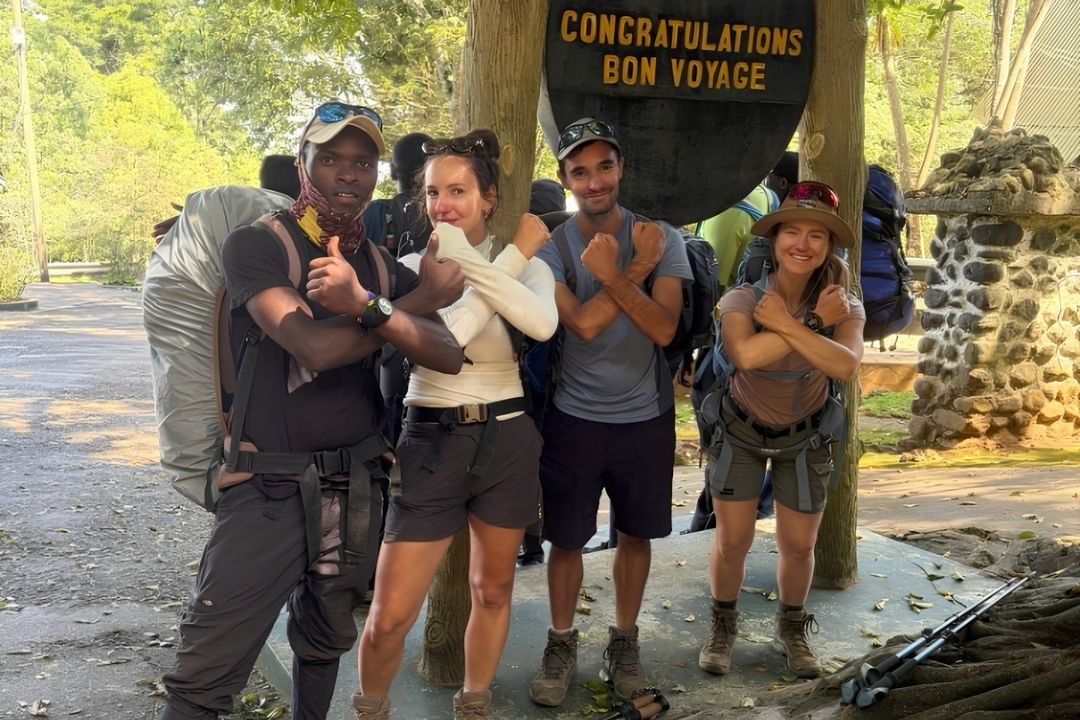
    At the gate you sign out of the park and successful climbers receive their summit certificates — green for Gillman’s Point, gold for Uhuru Peak. Your driver then takes you back to your hotel in Moshi or Arusha for a hot shower and a celebration dinner. Expect sore legs for a day or two; a short walk and plenty of water help recovery.

    • DistanceAbout 20 km · −1,860 m
    • Hiking timeAbout 5–6 h walking
    • MealsBreakfast, lunch, dinner
On the mountain

Where you sleep

  • Night 1Mandara HutBreakfast, lunch, dinner
  • Night 2Horombo HutBreakfast, lunch, dinner
  • Night 3Kibo HutBreakfast, lunch, dinner
  • Night 4Horombo HutBreakfast, lunch, dinner

Mountain camps and huts are set by the park and the route. Hotel nights before and after the climb are listed in what’s included.

The fine print, made simple

What’s included

Included

  • Park fees, hut fees and rescue fees
  • Professional mountain guide, assistant guides, cook and porters
  • All meals on the mountain and drinking water
  • Mountain hut accommodation (bunk beds with mattresses)
  • Airport and hotel transfers
  • Emergency oxygen and first-aid kit
  • Hotel night before and after the climb

Not included

  • International flights and Tanzania visa
  • Travel insurance with high-altitude trekking and evacuation cover (required)
  • Tips for your guides, cook and porters (see our tipping guide)
  • Personal trekking gear — sleeping bag, poles and clothing can be rented
  • Drinks other than drinking water, snacks and personal expenses
  • Optional add-ons such as a private toilet tent, personal porter or extra acclimatisation day
Make it yours

Add-ons & optional experiences

Not included in the tour price. Tap Add to my trip and your choices go with your enquiry — we confirm availability and price in your quote.

Extra acclimatisation day

Extra acclimatisation day

  • 1 extra day
  • On the mountain (route permitting)

Add a day on the mountain to give your body more time to adjust to altitude — the single most effective way to improve your chance of reaching the summit. Where the extra day fits depends on the route; your guide will suggest the best place in the itinerary.

Price on request
Sleeping bag rental

Sleeping bag rental

  • Whole climb
  • Collected in Moshi or Arusha

Rent a warm, clean sleeping bag suitable for cold nights on the upper mountain instead of bringing your own. Collected at your briefing before the climb and returned afterwards. Ask us about the temperature rating if you feel the cold.

Price on request
Trekking pole rental

Trekking pole rental

  • Whole climb
  • Collected in Moshi or Arusha

Adjustable trekking poles help on steep ascents and especially on the long descent, taking strain off knees and improving balance on loose ground. Collected at your pre-climb briefing.

Price on request
Personal porter

Personal porter

  • Whole climb
  • On the mountain

A dedicated porter carries your daypack, so you walk with only water and essentials. Loads stay within the park’s weight limits, and the service is subject to park regulations. Popular with climbers who want to save energy for summit night.

Price on request
Pre-climb hotel upgrade

Pre-climb hotel upgrade

  • 1 or more nights
  • Moshi or Arusha

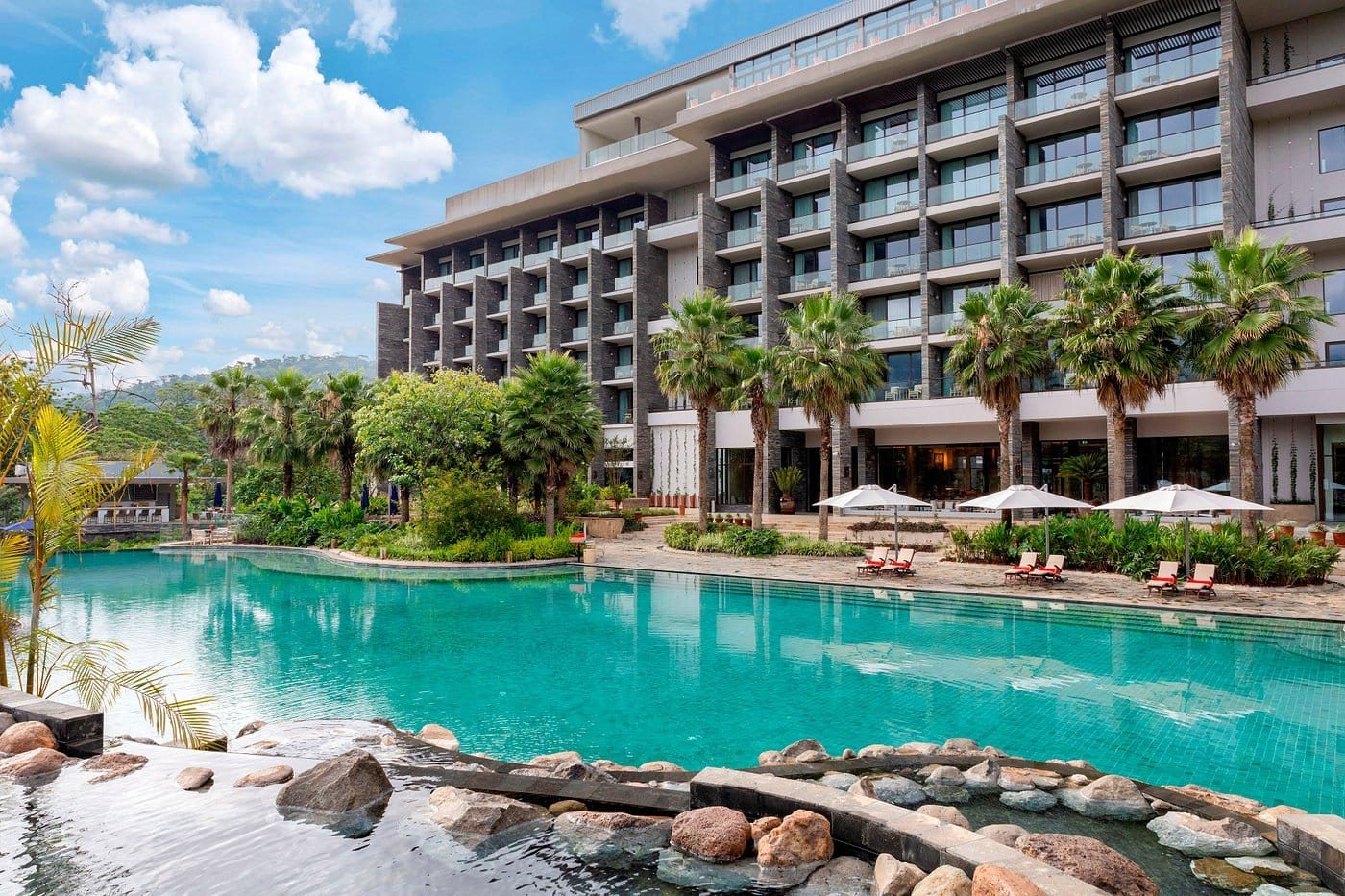
Upgrade the hotel nights before and after your climb to a more comfortable property with a pool and garden — a welcome place to rest, repack and celebrate. Availability and price confirmed for your dates.

Price on request
Post-climb safari

Post-climb safari

  • 2–7 days
  • Tarangire, Ngorongoro, Serengeti

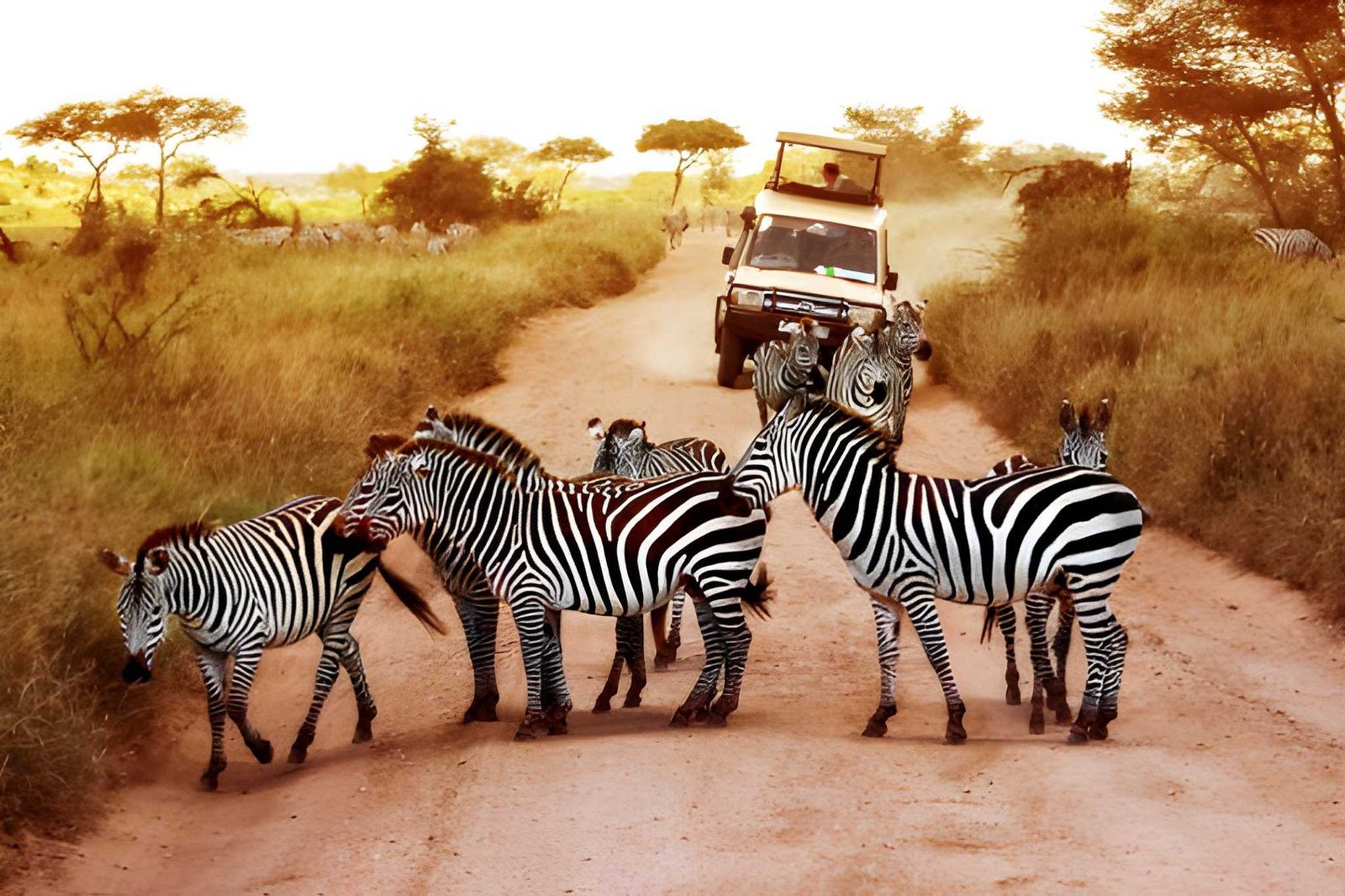
After a rest day, join a private safari in the Northern Circuit parks. A two- or three-day trip to Tarangire and the Ngorongoro Crater fits easily after a climb; longer safaris add the Serengeti. Your safari is planned around your climb dates.

Price on request
Zanzibar beach extension

Zanzibar beach extension

  • 3–5 nights
  • Zanzibar

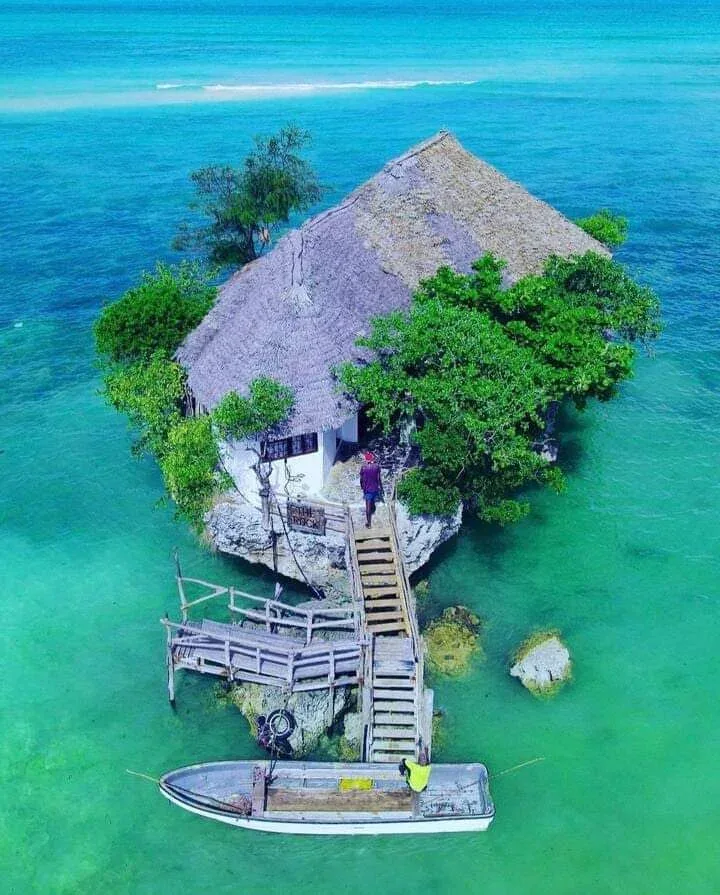
Finish your safari or climb with a few days on Zanzibar’s white beaches. We arrange the domestic flight, transfers and a beach hotel that suits your style, with optional excursions such as Stone Town, a spice farm or snorkelling. The most popular way to unwind after early starts.

Price on request
Good to know

Frequently asked questions

Is the 5-day Marangu route hard?

The walking is not technical, but the short itinerary gives little time to acclimatise, which makes summit night hard. We usually recommend the 6-day version.

What are the huts like?

Shared wooden or stone huts with bunk beds and mattresses. You need your own sleeping bag. Dining halls and toilets are shared.

Why is it called the Coca-Cola route?

Its gentle trail and huts gave it a reputation as the “easy” route; the name stuck, but the summit is as demanding as on any route.

Do I need climbing experience?

No technical experience is needed. You should be in good health and able to walk for several hours a day. Training hikes before the trip help a lot.

What is the best time to climb?

The driest months are January to mid-March and June to October. Climbs are possible all year, but April, May and November are wetter.

What about altitude sickness?

Most climbers feel some mild symptoms. Our guides check your oxygen and pulse twice a day and carry emergency oxygen and a first-aid kit. Walking slowly and drinking plenty of water help.

What equipment do I need?

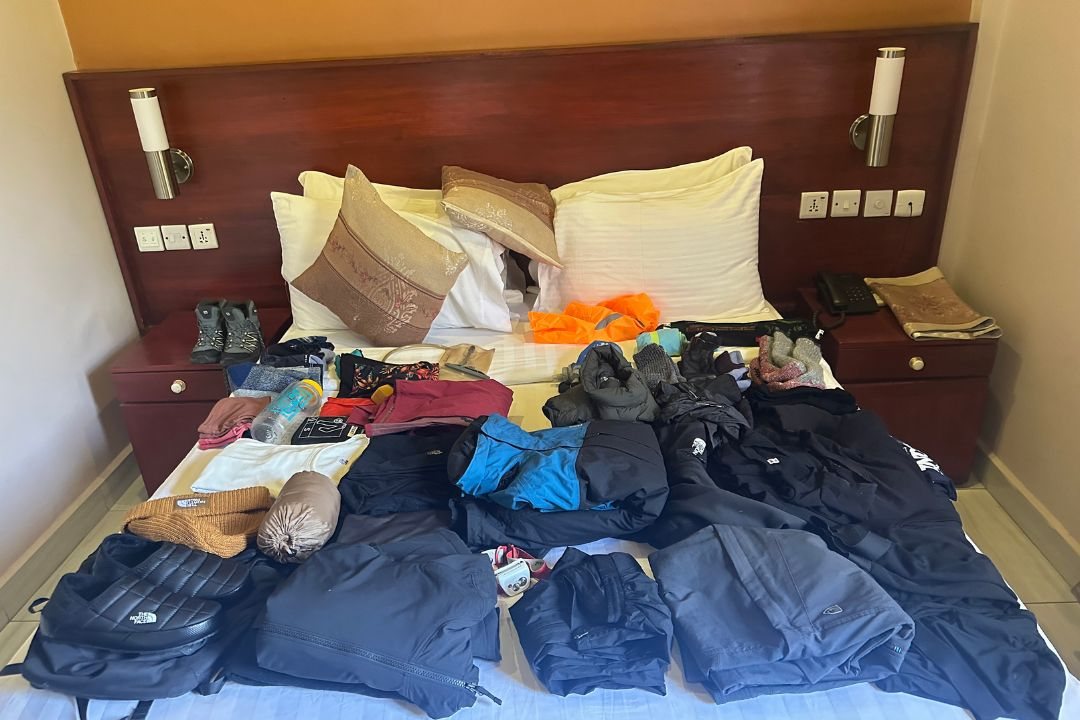
Warm layers, a waterproof jacket, good boots, a warm sleeping bag (rated around −10 °C) and a headlamp. Sleeping bags and poles can be rented.

How much should I tip the crew?

Tips are customary and paid at the end of the climb. We send recommended amounts per crew member with your booking.

Request a quote

Plan the 5-Day Marangu Route

Tell us your dates, group and preferences — we confirm availability and send a clear, itemised quote, usually within 24 hours.

  • Free, no-obligation quote — we reply within 24 hours
  • Speak directly to our team in Arusha — no call centres
  • 100% tailor-made — every itinerary built around you
Prefer to call or message? +255 761 692 756 [email protected] · WhatsApp
Add-ons (optional)
You may also like

Similar climbs

Ready when you are

Make this trip your own

Every itinerary can be adjusted — dates, pace, lodges and add-ons. Our team in Arusha replies personally.

WhatsApp