
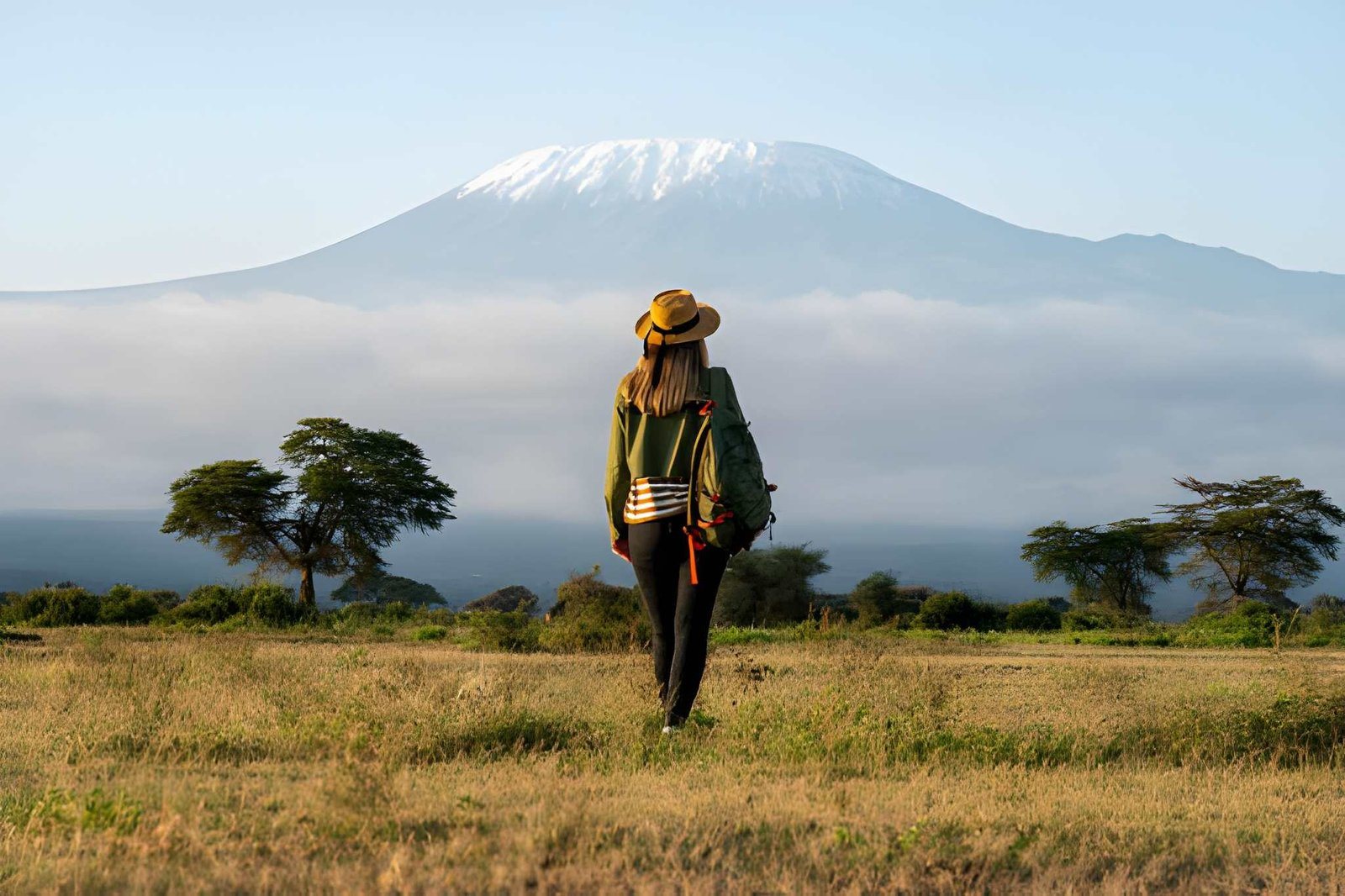
Packing for a safari is simpler than it looks. You will spend most of the day in a comfortable vehicle, lodges have laundry services, and the dress code is relaxed. The key is to pack light, choose neutral layers for cool mornings and warm afternoons, and bring a few essentials that make game drives more enjoyable. Here is our tried-and-tested list.
Luggage: keep it light and soft
- Use a soft duffel bag rather than a hard suitcase — it fits better in safari vehicles and small aircraft.
- If your trip includes a light-aircraft flight (for example from the Serengeti or to Zanzibar), the luggage allowance is usually about 15–20 kg per person, including hand luggage, in soft bags. We confirm the exact limit for your flights.
- Most hotels in Arusha can store extra luggage — such as Kilimanjaro gear or city clothes — while you are on safari.
- Pack a small day bag for the vehicle with camera, binoculars, sunscreen, a warm layer and water.
What to wear on safari
Choose comfortable, breathable clothing in neutral colours — khaki, olive, beige and brown. These colours show less dust and blend in with the bush. Avoid dark blue and black in woodland areas, as they attract tsetse flies, and leave camouflage prints at home.
- 3–4 T-shirts or light shirts, including at least one long-sleeved shirt for sun and mosquitoes
- 2 pairs of lightweight trousers (convertible zip-offs are handy) and 1 pair of shorts
- A warm fleece or light down jacket — mornings and evenings can be cold, especially on the Ngorongoro Crater rim
- A light waterproof jacket in the green season (November to May)
- Comfortable closed shoes or trainers, plus sandals for the lodge
- A wide-brimmed hat or cap, and a buff or scarf for dust
- Smart-casual clothes for dinner are optional — there is no formal dress code
- Swimwear — many lodges have pools
Gear and gadgets
- Binoculars — the single most useful item on safari; one pair per person is ideal.
- Camera with a zoom lens, spare batteries and memory cards. A bean bag or small cushion helps steady a long lens on the vehicle.
- Phone charger, power bank and a universal adaptor — Tanzania uses 230 V with British-style three-pin (type G) and some round-pin sockets. Vehicles usually have charging points.
- Head torch or small torch for camps after dark.
- Reusable water bottle — we provide drinking water to refill.
Health and toiletries
- High-factor sunscreen, lip balm with SPF and sunglasses
- Insect repellent with DEET or picaridin, and any antimalarial medicine
- Personal first-aid kit and any prescription medicines
- Hand sanitiser and wet wipes
- Toiletries in reusable or zip-lock bags — single-use plastic carrier bags are banned in Tanzania and may be confiscated on arrival
Read our health and vaccinations guide for more advice.
Documents and money
- Passport (valid six months beyond departure) and printed eVisa
- Mandatory inbound travel insurance certificate and your own travel insurance details
- Yellow fever certificate if your route requires it
- Flight tickets and our booking confirmation
- Cards and clean, recent US dollar notes in small denominations for tips — see money and tipping
- Copies of all documents, stored separately and on your phone
Extras for Kilimanjaro or Mount Meru
Climbing needs more specialist kit: a warm sleeping bag, insulated jacket, layered clothing, waterproofs, broken-in hiking boots, gloves, a warm hat, trekking poles and a head torch. Sleeping bags and poles can be rented in Moshi or Arusha. See our Kilimanjaro packing list for the full list.
Extras for Zanzibar
- Light, loose clothing and a sarong or wrap — cover shoulders and knees in Stone Town and villages
- Swimwear (for the beach and pool only)
- Reef shoes for walking in shallow water and on coral
- Reef-safe sunscreen
- Snorkel mask if you prefer your own (equipment is provided on excursions)
What not to bring
- Single-use plastic bags
- Camouflage clothing (it may be associated with the military)
- Drones — not allowed in national parks without special permits
- Too many clothes — lodges offer laundry, and lighter bags make travel easier
- Expensive jewellery you do not need
Frequently asked questions
What colours should I wear on safari?
Neutral colours such as khaki, olive, beige and brown are best. Avoid dark blue and black in woodland areas because they attract tsetse flies, and avoid camouflage prints.
Can I bring a suitcase on safari?
A soft duffel bag is better. Hard suitcases do not fit easily in vehicles or light aircraft, which usually have a limit of about 15–20 kg in soft bags.
Is it cold on safari in Tanzania?
Days are usually warm, but early mornings and evenings can be cool, especially from June to August and on the Ngorongoro Crater rim. Bring a fleece or light jacket.
Do I need binoculars?
Yes — binoculars make a huge difference on game drives, especially for birds and distant animals. Ideally bring one pair per person.
Is there laundry on safari?
Most lodges and many camps offer laundry, sometimes for a small fee. Some camps do not wash underwear for cultural reasons, so bring enough or a small travel wash.
Plan your trip with a local team
After booking, we send a packing list tailored to your season, itinerary and any climb or beach extension. Tell us your plans or contact our team in Arusha — we reply personally, usually within 24 hours.